Best Engineering Sets for Kids: Top STEM Kits for Young Builders
Discover engaging engineering sets that spark curiosity and build practical skills in kids. Below are five standout STEM kits chosen for their hands-on projects, clear instructions, and safe, educational play. Each entry includes a quick reference table and a detailed look at what makes it a strong choice for budding engineers.
| Product | Brand | Ideal For | Key Benefit |
|---|---|---|---|
| National Geographic Circuit Maker Kit | Blue Marble | Electronics beginners | 120+ circuit projects |
| ELEGOO UNO R3 Smart Robot Car Kit | ELEGOO | Programming and robotics | Android/iOS control, modular parts |
| choopheme 10 in 1 Stem Toys | choopheme | Engineering concepts through construction | 10 different moving models |
| IQ BUILDER STEM Learning Toys | IQ BUILDER | Early STEM foundation | Brain-boosting design challenges |
| Learning Resources City Engineering Set | Learning Resources | Simple machines and urbanDesign | City-building play with engineering process |
These five selections provide a balanced mix of electronics, robotics, building sets, and engineering concepts suitable for kids ages roughly 5 to mid-teens. They emphasize hands-on exploration, step-by-step guidance, and safe materials to support independent learning or guided activities with caregivers and teachers.
National Geographic Circuit Maker Kit

The National Geographic Circuit Maker Kit introduces electricity through 120+ projects, enabling kids to explore circuit basics, audio setups, light shows, and even mini drones. It includes kid-friendly video instructions via QR codes to reinforce learning while keeping projects approachable. The play is designed to be safe and engaging, offering hands-on practice with circuit concepts and real-world outcomes.
ELEGOO UNO R3 Smart Robot Car Kit V4

This kit provides a practical entry into coding, electronics assembly, and robotics. It includes 24 module parts such as obstacle avoidance and line-tracing modules and supports control via Android and iOS devices. The design emphasizes a smooth, beginner-friendly assembly experience with standardized ports to reduce setup errors, helping learners grasp core robotics concepts through hands-on experimentation.
choopheme 10 in 1 Stem Toys

The choopheme set delivers 10 different models, including bulldozers, cranes, windmills, and more. It emphasizes hands-on construction, problem-solving, and spatial reasoning as kids assemble functional moving models. The kit uses child-friendly materials and includes storage for easy cleanup, making it a practical option for ongoing STEM exploration in a classroom or at home.
IQ BUILDER STEM Learning Toys
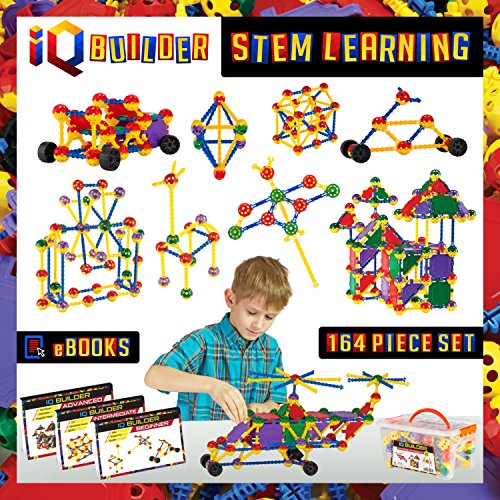
IQ BUILDER centers on building foundational STEM skills with a focus on critical thinking and problem solving. Marketed as teacher-recommended, it aims to translate classroom science into engaging, repeatable play. The set is designed to be a strong introductory tool for kids to explore engineering concepts, spatial reasoning, and creative design, often favored for its broad appeal across ages six to ten.
Learning Resources City Engineering Set
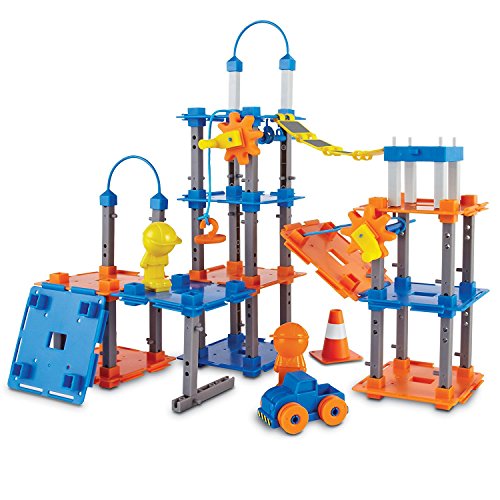
This city-focused engineering set invites kids to design skyscrapers, cranes, and bridges while following a design process: Ask, Imagine, Plan, Create, and Improve. It emphasizes critical thinking and problem solving as children plan and iterate their urban constructions, making it a strong resource for classroom activities or family projects that align with early engineering education standards.
Buying Guide: Key Factors For Evaluating Engineering Sets
- Age and developmental fit: Check recommended ages and ensure projects match your child’s skill level to maintain engagement without frustration.
- Learning goals: Decide whether you want a focus on electronics, robotics, building, or a mix of STEM disciplines to complement school learning.
- Instructions and support: Look for kits with clear manuals, visual diagrams, and optional video tutorials that aid independent learning.
- Safety and materials: Prioritize sets with non-toxic materials and durable parts designed for repeated play and easy cleanup.
- Expandability: Consider whether the kit offers modular components or additional projects to grow with the child’s abilities.
- Hardware compatibility: For robot or coding kits, verify compatibility with common devices (Android/iOS) and accessibility of software tools.
- Storage and organization: Choose kits with storage solutions to keep parts organized, which supports longer-term use and reduces clutter.
- Teacher and caregiver resources: If used in classrooms, assess whether the set provides lesson plans, assessment ideas, and classroom-friendly activities.
- Value and longevity: Weigh the number of projects and the quality of components to determine long-term educational value against the price.