Best Small Bikes for Kids: Safe Balance Bikes for Toddlers
Choosing the right small bike for a child means balancing safety, growth potential, and fun. Balance bikes and 2-in-1 push bikes help toddlers and early learners build confidence, balance, and coordination before they transition to pedals. Below are five carefully selected options that cater to ages 12 months through early childhood, with features that emphasize stability, adjustability, and durable design.
| Product | Brand | Key Benefit | Age Range |
|---|---|---|---|
| SEREED Baby Balance Bike | SEREED | Early balance development, safety-focused with no pedals | 12-24 months |
| Ridego 14 Inch Balance Bike | Ridego | All-terrain tires and lightweight frame for longer use | 2-6 years |
| JMMD 6-in-1 Push Bike | JMMD | Transforms through multiple modes for growing riders | 18-60 months |
| cubsala 12 Inch Bike BMX Style | cubsala | Beginner-friendly with training wheels and safe braking | 1-4 years |
| SEREED Toddler Balance Bike 2 Year Old | SEREED | Quick-adjust height and customizable plate options | 2-5 years |
SEREED Baby Balance Bike For Toddlers
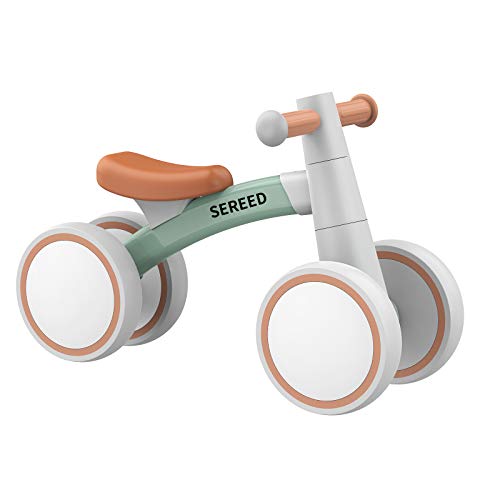
The SEREED Baby Balance Bike is designed for the earliest learners, offering a four-wheel balance approach without pedals. Its fully widened closed wheels help prevent foot clamping, while the 135° turning limit and gravity steering reduce tipping risks. The aluminum frame, non-slip TPU handles, and a soft seating surface provide a stable, comfortable ride indoors and outdoors. This model focuses on foundational balance, steering, and confidence as toddlers start physically exploring movement.
Key features include non-pedal construction to facilitate natural balance and a design that prioritizes safety with a wide wheelbase. The bike’s compact size makes it suitable for very young children, and the materials provide a lightweight but sturdy ride for early developmental stages.
Ridego 14 Inch Balance Bike

The Ridego balance bike is built for kids ages 2 to 6, featuring a light frame and adjustable seating to grow with the child. It uses air-filled rubber tires for a smooth ride on diverse surfaces—from sidewalks to grassy areas—and an all-terrain performance that enhances balance training. With a strong frame and a weight capacity around 110 pounds, this bike is designed for longer-term use as confidence and riding ability increase. Its lightweight construction helps parents manage outings and encourages independent exploration by the rider.
Highlights include a durable glass-reinforced nylon frame, excellent grip, and a focus on stability. The bike’s simplicity—no pedals, no complicated gears—helps children learn balance and steer with less risk of overcorrection, making it suitable as an early step toward pedal bikes.
JMMD 6-in-1 Push Bike With Training Wheels

This JMMD model is a versatile 6-in-1 solution that grows with a child from 18 to 60 months. It starts as a parent-push trike and transforms into a toddler tricycle, balance bike, and more, reducing the need to purchase multiple bikes. The adjustable handle for parents, the 12-inch all-terrain wheels, and a seat extension allow for taller or shorter riders to use it with comfort. Safety is enhanced by an aluminum frame, a hand brake, and a restricted steering angle to prevent sharp, unexpected turns.
Its value lies in adaptability: as the child learns, the bike reconfigures to match new skills, supporting continuity in physical development. The gear-free system minimizes maintenance and mechanical complexity while keeping safety in focus.
KRIDDO Tricycle With Enhanced Stability

The KRIDDO toddler tricycle is designed for children aged 24 to 48 months, with an extended rear wheelbase to improve rollover resistance as kids learn to steer. It offers an easier transition into independent riding by combining a sturdy frame with a comfortable seat and ergonomic grips. The design focuses on safety during early exploration, with a frame geometry that encourages confident pedaling and steering while helping prevent tipping during missteps. This model is a practical option for families seeking a longer-use solution that sits between a push bike and a true pedal bike.
Best used as part of a gradual development plan, its features help children develop coordination while providing a stable, controlled riding experience that reduces the risk of falls during the learning phase.
cubsala 12 Inch Balance Bike With Training Wheels

This Cubsala bike offers a 12-inch wheel setup with training wheels, making it ideal for beginners aged 1 to 4 years. A coaster brake enables small hands to control speed easily, while a full chain guard enhances safety by preventing clothing or fingers from getting caught. The frame is designed for durability, and the wide tires provide stable traction on varied surfaces. The adjustable seat helps accommodate growth, supporting ongoing use as children gain confidence in balance and steering.
For families seeking a traditional starter bike with a simple braking system and stable geometry, Cubsala provides a straightforward, safety-focused option with approachable features for very young riders.
SEREED Toddler Balance Bike With Customizable Plate

The SEREED balance bike for 2- to 5-year-olds emphasizes growth with tool-free height adjustments for both the seat and handlebars. A wide carbon steel frame supports up to 110 pounds, and a starter seat height of about 12.6 inches helps younger riders begin with a comfortable stance. The bike fosters early balance and steering skills, aiding a smoother transition to pedal bikes later. The included customizable plate with stickers adds an element of personalization that can help motivate kids to ride more often.
Key considerations include the balance-bike design, the ease of height adjustment without tools, and the balance-focused learning path. This option suits families prioritizing a long-term bike that remains usable as a child grows from toddlers into preschoolers.
Youthkkee 12 Inch Toddler Balance Bike

The Youthkkee balance bike for ages 1 to 3 focuses on balance development with a pedal-free design and a low center of gravity. An adjustable seat and ergonomic, kid-friendly styling make it appealing to both children and parents. The frame is built to be durable, supporting varied terrains while keeping the ride lightweight for easy handling. This model emphasizes confidence-building through steady hips-and-shoulders alignment and controlled steering.
Buyers should note the emphasis on balance rather than speed, as the bike is designed to teach core skills that set the stage for successful progression to pedal bikes in a short time frame.
KRIDDO Customizable 12-Inch Balance Bike

This KRIDDO model introduces a 12-inch balance bike designed for ages 24 months to 5 years, featuring a customizable plate option and three sticker sets. The emphasis is on balance and walking your child through the stepping stones of riding, with a sturdy carbon-steel frame capable of supporting up to 110 pounds. The product is positioned as an early learning aid that also allows personalization, providing a fun incentive for kids to engage with safe, independent riding.
Buying Guide: Key Purchase Considerations
- Age and growth potential: Choose models that fit your child’s current age while offering adjustable components (seat height, handlebar height) to accommodate growth.
- Safety features: Look for sturdy frames, wide wheelbases for stability, lack of pedals on balance bikes, and safe braking systems on starter bikes with pedals or coasters.
- Weight and portability: Lighter bikes are easier for kids to maneuver and for parents to carry during outings.
- Terrain and durability: Consider tires (air-filled vs. foam) and frame materials suitable for indoor use and outdoor exploration on sidewalks and light trails.
- Transition strategy: If you plan to progress to pedal bikes, select a model that supports continued use through the early preschool years or offers modular configurations that adapt to new riding abilities.
- Customization and motivation: Some models offer customizable plates or sticker sets that encourage kids to engage with their bike and take pride in riding.
- Maintenance: Fewer moving parts and tool-free adjustments can minimize maintenance and simplify setup for busy families.
- Safety supervision: Always supervise young riders, especially during balance training and any new skill transitions to pedal bikes.