Best Science Party Ideas for Kids: Creative STEM Activities for Memorable Events
Planning science-themed celebrations for kids can mix learning with fun. This guide highlights five engaging Amazon-ready options that spark curiosity, foster hands-on exploration, and keep young researchers entertained at parties, classroom events, or family gatherings. Each pick emphasizes age-appropriate STEM learning, colorful experiments, and approachable assembly. Review the summary below, then explore detailed product sections with practical activity notes and safety considerations to help you host a memorable science party.
| Product | Brand | Key Benefit | Age Range | Included Items |
|---|---|---|---|---|
| 7 Set Bulk STEM Kit | BeAndge | Fiber optic lamp projects teach basic circuits | 8-12 | Fiber optic strands, lamp parts, batteries not included |
| Dan&Darci Make Your Own Bouncy Ball Kit | Dan&Darci | Hands-on re-creation of bouncy balls with color patterns | All ages (kid-friendly) | 12 kits, 2 powder bags per kit, molds, instructions |
| LINAYE 24 Packs STEM Kits | LINAYE | Wooden STEM builds including electric Jeeps and bridges | 8-12 | 24 building components, 6 models, wooden parts |
| GadgetGlee 7 Bulk Electric Circuit Kit | GadgetGlee | Beginner circuit learning with fan projects | 4th-5th grade friendly | 7 fan circuit kits, no screws, AA batteries needed |
| rifamee Volcano Eruption Science Kit | rifamee | Colorful eruptions ideal for party favors | 8-12 | Volcano eruption packets, multiple colors |
Each option aligns with hands-on experimentation, peer collaboration, and safe, straightforward setup. Consider your party size, venue, and time available when selecting kits, and pair activities with clear, kid-friendly demonstrations to maximize engagement.
BeAndge 7 Set STEM Kit

This 7-pack STEM kit centers on fiber optic lamp creation. Each set provides fiber optic strands, a light bulb, a screwdriver, instructions, and all necessary assembly parts. Note that AA batteries are not included. The fiber optic lamp projects emit colorful light, giving kids a tangible example of basic circuits, light transmission, and hands-on electronics assembly. The kit is designed for ages 8–12, supporting motor skills growth, problem-solving, and early STEM interest within a group activity format.
Dan&Darci Make Your Own Bouncy Ball Kit
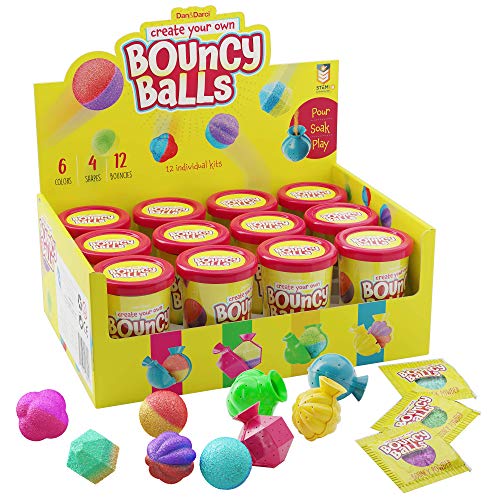
This kit includes 12 individual bouncy-ball kits, each with two color powder packs, a mold, and instruction sheets. Children mix colors, pour powders into molds, and add water to create real, lively bouncy balls. The kit highlights an innovative formula to ensure bouncy results and a variety of patterns. It’s ideal for party favors or group activities, encouraging color exploration, pattern design, and follow-up discussion about material science and elasticity.
LINAYE 24 Packs STEM Kits

LINAYE’s wooden STEM kit bundle features 24 building challenges, including 4 electric Jeeps, 4 pull trolleys, 4 gliders, 4 cable-stayed bridges, 4 electric fans, and 4 windsocks. Safe, smooth wooden pieces ensure durability and splinter-free handling for kids aged 8–12. The set emphasizes mechanical design, cause-and-effect reasoning, and spatial thinking as children assemble models, explore motion and stability, and learn through hands-on engineering tasks suitable for classrooms or party stations.
GadgetGlee 7 Bulk Electric Circuit Kit
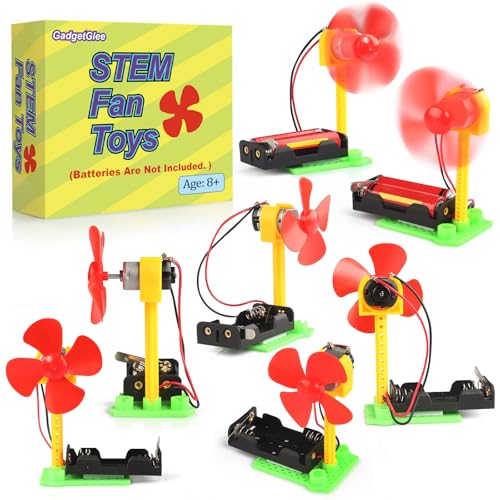
GadgetGlee’s seven-pack focuses on introductory electronics. Each kit enables kids to build a simple fan circuit, exploring basic electrical concepts without screws. The set is designed for classroom-style distribution or party stations, and it includes non-included AA batteries. It offers a practical, low-prep science activity that introduces kids to circuits, energy flow, and troubleshooting in a group setting, making it a reliable option for science-themed gatherings.
rifamee Volcano Eruption Science Kit
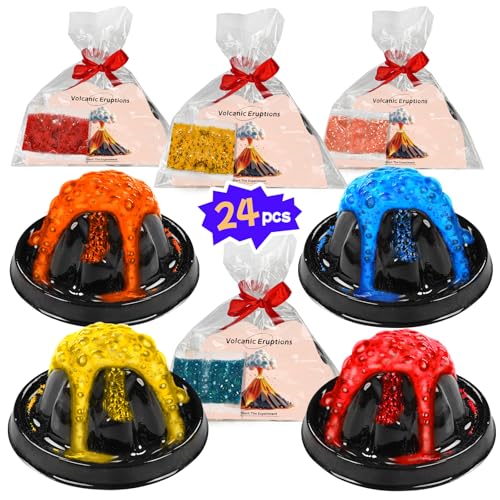
The volcano eruption kit by rifamee includes 24 pieces with multiple color options for eruptive demonstrations. The packets are designed for two-stage pouring to create sequential eruptions, adding drama to demonstrations and party activities. These kits work well as interactive centerpiece activities or party favors, helping children learn about chemical reactions, gas release, and safe handling of household-safe reagents, while keeping participants engaged through visual excitement.
Buying Guide: Key Purchase Considerations For Science Party Guests
- Age appropriateness: Choose kits aligned to the typical ages at your event (for example, 8–12). Consider complexity, safety requirements, and the level of adult supervision needed.
- Group size and turnover: For larger parties, select kits that scale well with groups and quick setup. Some activities support quick rotation among stations, while others are best as longer demos.
- Safety and supervision: Review any small parts, chemical reagents, or batteries. Verify that activities include clear safety instructions and non-toxic materials suitable for children.
- Learning objective: Decide whether your focus is on circuitry, chemistry, mechanics, or a combination. Match the kit’s core concept to your party theme for cohesive activities.
- Material quality and durability: Wooden or high-quality plastic components often last longer in party environments and reduce breakage risks.
- Cleanup and aftercare: Prefer activities with easy cleanup, individually packaged components, or ones that allow kids to take home a completed project as a keepsake.
- Budget and logistics: Compare per-kit costs, battery needs, and whether instructions are beginner-friendly. Look for bundles that provide multiple learning experiences within a single purchase.
- Accessibility and inclusivity: Include activities that accommodate different learning styles—hands-on builds, visual demonstrations, and simple verbal explanations to ensure all guests participate.
By combining diverse activities—ranging from fiber optics to volcano eruptions—you can design a science party that maintains momentum, offers repeated engagement, and supports peer collaboration. Always prepare a quick safety briefing, provide demonstrable examples, and encourage kids to discuss what they observe to enhance the learning experience.