Best Lego Sorting Containers for Easy Brick Organization
The right sorting containers can transform how you store and access Lego bricks. This article highlights five top options designed for hobbyists, teachers, and parents who want durable, stackable, and clearly organized brick storage. Each product below includes key features, practical uses, and why it stands out for Lego sorting and general small-parts organization.
| Product | Brand | Key Use | Why It Stands Out |
|---|---|---|---|
| Akro-Mils 10144 | Akro-Mils | Small parts, bricks, tools | Heavy-duty, American-made plastic; 26 drawers; versatile for garage or classroom |
| CRAFTSMAN CMST40730 | CRAFTSMAN | Modular small parts | Transparent drawers; stackable; easy to form a larger system |
| IRIS USA 44-Drawer Cabinet | IRIS USA | Screws, beads, bricks, hardware | Multi-drawer cabinet with large and small drawers; made in USA |
| SGHUO 3-Tier Bead Organizer | SGHUO | Beads, threads, mini crafts | Three-layer, 30 compartments; portable and adjustable |
| OUTUXED 2-Pack 36-Grid Box | OUTUXED | Beads, small hardware, craft supplies | Adjustable dividers; two-pack for expanded capacity |
Akro-Mils 10144 Heavy-Duty Drawer Cabinet

The Akro-Mils 10144 cabinet is designed for robust storage of small parts, including Lego bricks and related hardware. Measuring 20″ W x 6″ D x 16″ H, this unit offers 26 external drawers with a mix of large and small compartments, making it simple to separate bricks by color, size, or type. Built in the U.S.A. from high-impact plastic, it’s suitable for garages, classrooms, or maker spaces. The drawers are easy to open and close, reducing the chance of spillages during sorting. This cabinet excels in environments where durability and accessibility are priority items, such as busy kids’ play areas or hobby rooms.
Practical uses extend beyond bricks: tool parts, craft supplies, and even makeup organization. For Lego sorting, its multi-drawer design helps you create a logical workflow—from sorting bricks by color to separating specialized pieces, like minifigures or technical bricks. The cabinet’s stacking capability allows expansion as your collection grows, aligning with modular storage strategies often recommended for Lego enthusiasts.
CRAFTSMAN Storage Organizer with 30 Small Drawers

The CRAFTSMAN CMST40730 storage organizer offers 30 small, transparent drawers that provide clear visibility of contents, making it easy to locate specific Lego pieces during sorting sessions. Its modular design supports stacking to create a broader storage system, and it can be mounted or stacked depending on space constraints. This flexibility is ideal for craft rooms, classrooms, or hobby corners where a tidy, scalable setup is desirable. The drawers’ transparency helps reduce rummaging and keeps colors or piece types in quick reach while assembling builds.
In Lego sorting workflows, this unit supports rapid triage—placing bricks by hue, size, or function into dedicated drawers. The ability to add more units over time is a major advantage for growing collections, as is the option to customize the setup without purchasing a completely new system. The CRAFTSMAN cabinet emphasizes practicality and long-term utility, aligning with durability expectations for frequent user handling and frequent reorganization.
IRIS USA 44-Drawer Cabinet for Small Parts

The IRIS USA 44-Drawer cabinet is designed for multi-size storage with large and small drawers, making it well-suited for Lego sorting. The cabinet’s dimensions and drawer mix accommodate a wide range of bricks—from larger baseplates to tiny connector pieces. Made in the USA from durable, recyclable materials, it provides reliable performance in high-use environments like classrooms, hobby rooms, or workshops. The cabinet also supports stacking, enabling a vertical storage solution that helps maximize floor space while keeping pieces neatly sorted and accessible.
For Lego sorting, the 6.87″ by 4.31″ small drawers and smaller ones offer optimal compartments for colorcoordinated sorting, part-type grouping, or even sorting sets by kit. The sturdy construction makes it suitable for daily use by both students and adults, reducing the risk of drawer failure or misplacement during busy sorting sessions. This unit pairs well with broader organization ecosystems, including label-friendly surfaces and compatible lids for portability.
SGHUO 3-Tier Bead Organizer With Dividers
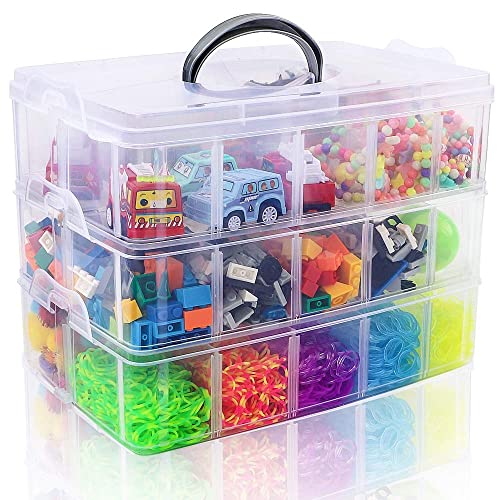
The SGHUO 3-Tier Bead Organizer provides a compact, portable solution with 30 compartments spread over three layers. Each layer holds ten grids, and the dividers are removable and adjustable, enabling larger compartments when needed. This flexibility can be particularly useful for sorting Lego bricks by color families or piece types that don’t fit a uniform grid size. The outer dimensions are suitable for desks or small workstations, and the included lid ensures contents stay contained during transport or storage. This unit is a practical choice for crafters and educators who require mobile sorting options for activities or classes.
Multiple uses extend beyond Lego sorting: jewelry organization, sewing supplies, and hobby materials all benefit from the adjustable grid design. The portability and stacking-like behavior help keep a modular workflow even in spaces with limited square footage. It’s a reliable mid-range option for users who want customizable compartments without committing to a large, heavier cabinet system.
OUTUXED 2-Pack 36-Grid Bead Organizer Boxes
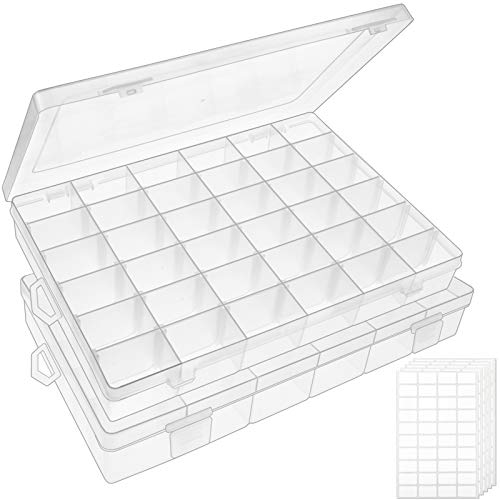
The OUTUXED 2-pack features 36-grid organizers with adjustable dividers in each box. The outer dimensions (10.8″ L x 7.0″ W x 1.8″ H) provide a compact footprint while delivering substantial storage capacity for small Lego pieces or other craft items. The ability to move the dividers enables customizing each box to larger bricks or wedge-shaped pieces, supporting flexible sorting schemes. The boxes are shipped in shock-proof packaging to ensure they arrive intact, which is a practical assurance for organizers who value dependable components in a Lego workspace.
This option is well-suited for hobbyists who value portability and the option to group pieces into a travel-friendly kit. It complements larger shelving systems by offering a mobile sorting station for on-the-go builds or classroom activities. The clear plastic design makes it easy to identify contents at a glance, reducing the time spent hunting for the right brick type during assembly projects.
Buying Guide: Key Purchase Considerations
Choosing the right lego sorting containers involves evaluating space, piece variety, and how you plan to expand over time. Consider these factors to decide which system best fits your needs:
- Size and footprint: Measure your workspace to ensure the unit fits on a shelf, table, or closet shelf without crowding the area.
- Drawers and compartments: More drawers offer finer sorting but require more space. Interchangeable or adjustable dividers increase flexibility for changing brick inventories.
- Visibility: Transparent drawers or clear containers speed up brick identification, saving time during sorting sessions.
- Durability: Look for impact-resistant plastics and secure latching to withstand frequent handling by children and adults alike.
- Portability vs. permanence: Choose between portable boxes for mobile sorting or larger cabinets for a fixed, long-term storage setup.
- Expansion potential: If your Lego collection grows, consider modular systems that stack or interlock with additional units.
- Made in USA considerations: Some buyers prefer domestically manufactured products for durability and support.
- Organization strategy: Decide whether color-based sorting, part-type grouping, or set-based organization best matches your building projects.
To optimize a Lego sorting workflow, combine a primary storage cabinet with secondary portable organizers. Place frequently used bricks in an easily accessible unit, while bulk or rarely used pieces can reside in larger, space-efficient cabinets. Labeling drawers by color families or brick categories helps keep the system intuitive, especially for younger builders or classroom settings. When evaluating options, balance upfront costs with long-term durability and adaptability to accommodate evolving brick collections and project needs.