Best Radio Transmitters for RC Planes in 2026
Choosing the right RC plane radio system matters for range, reliability, and ease of use. This article highlights five strong options for American hobbyists, focusing on 2.4 GHz transmitters with AFHDS/AFHDS2A or DSMX compatibility. You’ll find concise specs, clear pros, and practical buying tips to compare features like channel count, bidirectional data, and binding security. Whether you’re flying fixed-wing, gliders, or FPV planes, these selections provide solid control, reduced interference, and scalable setups for beginners and advanced hobbyists alike.
| Product | Brand | Channel Range | Notes |
|---|---|---|---|
| FLYSKY FS-i6X 10CH | FLYSKY | 10CH | Bidirectional, i-BUS support |
| Alaohu FS-i6X 10CH | Alaohu | 10CH | AFHDS2A Sky compatibility |
| Radiolink T8FB | Radiolink | 8CH | Bluetooth APP setup |
| DTXMX FS-i6X 10CH | DTXMX | 10CH | 135-channel hopping, unique IDs |
| Spektrum DX6e | Spektrum | 6CH | DSMX, trainer link |
FLYSKY FS-i6X 10CH Radio System
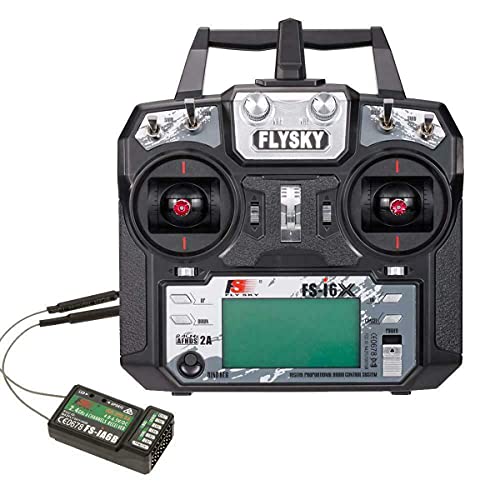
The Flysky FS-i6X introduces expanded channel capability with a 2.4 GHz AFHDS 2A system. It ships as a 6-channel default setup with FS-iA6B receiver, but can extend to 10 channels when paired with an appropriate 10-channel receiver such as FS-iA10B. It supports two-way communication, including data from sensors, calibration functions, and i-BUS. The radio features multi-channel hopping across 135 channels to minimize interference and improve stability in shared airspace. This makes it suitable for both fixed-wing and multi-rotor projects when expanded.
Alaohu FS-i6X 10-Channel Transmitter

Alaohu’s FS-i6X 10-channel transmitter emphasizes fast response and broad compatibility. It supports AFHDS2A SKY, offering stable signal and longer control distance. The transmitter works with multiple receivers in its family, including FS-iA10B and FS-iA6B, and can output PWM, PPM, and i-Bus on the 10-channel setup. It’s designed for a range of platforms—from fixed-wing planes and gliders to quadcopters and even boats—making it a versatile option for mixed fleets and future upgrades.
Radiolink T8FB 8-Channel Transmitter

Radiolink’s T8FB pairs 8 channels with FHSS 67-channel hopping for reliable operation. It supports a 2 km control distance in typical use, with the potential to extend further when used with the compatible R8XM receiver. Features include a single-button dual-rate switch, end-point adjustments, training and simulator modes, and Bluetooth APP connectivity for parameter setup. The T8FB is designed for ease of use for RC planes, cars, boats, and other models, with flexible model storage and ongoing firmware updates.
Spektrum DX6e 6-Channel Transmitter
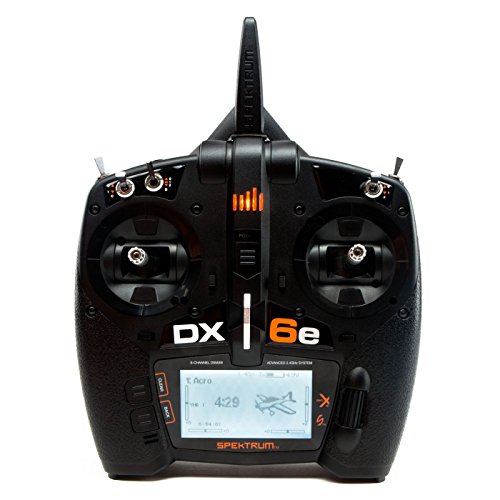
The Spektrum DX6e offers 6 channels with DSMX compatibility and 250-model memory. It includes a teaching-friendly buddy box-style wireless trainer link and airplane/helicopter/sailplane multiprofile programming. The transmitter’s design emphasizes easy switching and practical controls for both hobbyists and instructors, making it suitable for training, long-term fleet upgrades, and mixed-model setups in RC flight training environments.
GoolRC FS-i4 4-Channel System

The GoolRC FS-i4 represents an affordable entry point with 4 channels and AFHDS 2A reliability. The package includes a mini 6-channel receiver and focuses on a straightforward setup for RC vehicles. The automatic frequency hopping adds robustness against interference, ensuring dependable control for smaller planes, gliders, or basic first-time builds.
Buying Guide: Key Purchase Considerations
- Channel count and future expansion: If you plan to grow your fleet, consider transmitters with 6–10 channels and compatible receivers that support PWM, PPM, S.Bus or i-Bus outputs.
- Signal reliability and interference: Look for systems with frequency hopping (AFHDS/AFHDS2A, DSMX/DSMX2) and multiple channels to minimize cross-talk in shared airspace.
- Bidirectional data and telemetry: Transmitters that receive data from sensors or voltage modules can simplify monitoring battery health and model status during flight.
- Binding security: Unique transmitter IDs and binding rules help prevent cross-connection with other devices. This is especially important in multi-model gear.
- Compatibility and ecosystem: Check which receivers you’ll need (FS-iA6B, FS-iA10B, R8EF, etc.) and whether you already own compatible models to maximize value.
- Ease of setup and training features: Some units offer app-based parameter configuration, dual-rate switches, and simulator modes, which are beneficial for beginners and instructors.
- Build and ergonomics: Consider grip comfort, switch placement, and display readability, especially for longer flying sessions or complex setups.