Best Duck Calls for Feeding Chuckles: Realistic Quacks for Waterfowl
Finding the right duck call can elevate waterfowl hunting by delivering authentic sounds that attract ducks at various ranges and in different conditions. This guide highlights five top picks that balance tone, ease of use, and durability. Each product section describes key features, sound characteristics, and practical use cases, helping you choose a call that fits your style—from beginner-friendly models to more versatile, field-proven designs.
Summary table of chosen products:
| Product | Brand | Key Strengths | Sound Type |
|---|---|---|---|
| Duck Commander Jase Robertson Pro Series Duck Call | Duck Commander | Easy blowing, versatile rasp and high-end tone | Mallard hen, double reed |
| Duck Commander Classic Duck Calls – The Flash Mallard Hen | Duck Commander | Smooth tone, Jase Pro Series reed system | Smooth mallard hen |
| Duck Commander Specialty Duck Calls – Teal Hen | Duck Commander | High pitch, precise teal mimic | Teal hen |
| Duck Commander Classic Duck Calls – Shadow Single Reed | Duck Commander | Easy single reed, durable polycarbonate | Mallard hen, raspy |
| Zink Calls Mallard Drake Whistle | Zink Calls | Realistic full range, easy blow | Mallard drake whistle |
Duck Commander Jase Robertson Pro Series Duck Call

The Jase Robertson Pro Series duck call is designed to reproduce authentic mallard hen quacks, making it a strong choice for serious hunters. Its Bocote barrel and clear poly insert pair with an aluminum gold anodized band to deliver a crisp, piercing high end that excels in open-water situations, while the softer raspy low end supports finishing moves. The friction-fit design aims to minimize maintenance while maximizing consistent performance, making this model both beginner-friendly and suitable for experienced callers seeking reliability in variable conditions.
Duck Commander Classic Duck Calls – The Flash Mallard Hen
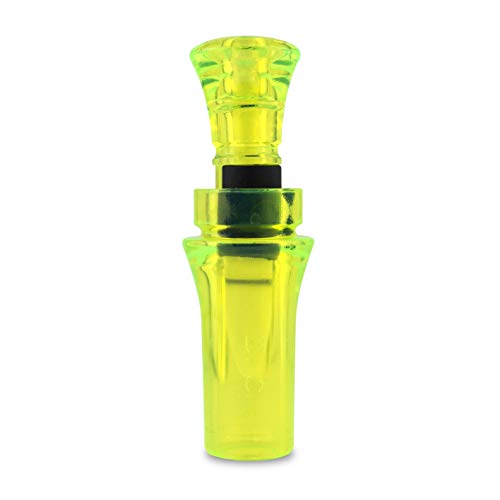
The Flash Mallard Hen call uses a modified reed system to balance air pressure and tonal strength. It blends a smooth, silky tone with the ability to reach louder volumes, offering versatility across hunting conditions. The short, easy-to-control barrel helps maintain steady pressure, enabling precise, repeatable calls. This model aims to deliver reliable raspy mallard sounds without requiring extensive practice, making it a robust option for both new and seasoned hunters who prioritize ease of use and consistency.
Duck Commander Specialty Duck Calls – Teal Hen
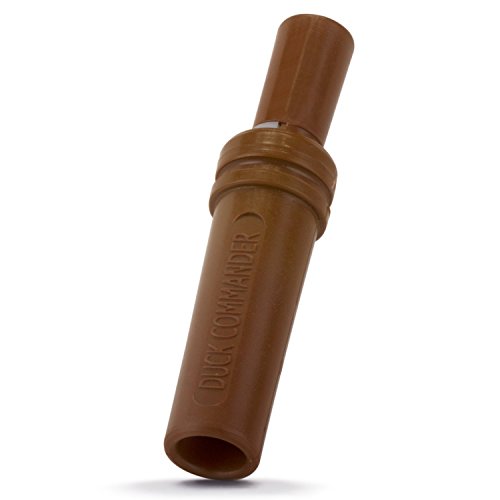
Designed to mimic the teal hen with precision, this call emphasizes a faster cadence and higher pitch tailored for teal hunts. It uses Phil Robertson’s patented double-reed friction-fit system for easy, reliable blowing across experience levels. Constructed from durable high-impact plastic, it withstands rugged field conditions while delivering the crisp, rapid notes teal hunters seek to draw targeted birds in close or at mid-range.
Duck Commander Classic Duck Calls – Shadow Single Reed

Constructed with a polycarbonate barrel, this shadow call focuses on a raspy mallard hen sound produced by a single reed design. The durability of the polycarbonate body makes it suitable for tough field use, while the single-reed setup appeals to both beginners and advanced callers who want controlled, precise calls. The design aims for a balanced blend of realism and user-friendly operation for a variety of hunting scenarios.
Zink Calls Mallard Drake Whistle

The Mallard Drake Whistle from Zink is designed to reproduce the full range of drake mallard sounds with realistic precision. It’s described as an easy-blow system, making it accessible for beginners while offering depth for seasoned callers who want convincing drake whistles for flirting and challenging feeding situations. This call also doubles as a versatile tool suitable for attracting other whistling species, expanding its practical utility in varied waterfowl setups.
Buying Guide
Selecting a duck call involves balancing sound realism, ease of use, and durability to fit your hunting style and environment. Consider the following factors:
- Call type and sound profile: Single reed calls tend to be easier for beginners and provide raspy, realistic mallard tones, while double reed setups offer a broader range and resilience in windy conditions.
- Material and durability: Polycarbonate and Bocote barrels provide ruggedness and resonant tones, but wood calls require more care in damp conditions. Choose based on typical weather and field handling.
- Control and ease of use: Shorter barrels generally allow for better control and quicker response, while longer barrels can affect mouthfeel and holding pressure. Friction-fit reeds simplify maintenance and replacement.
- Target species and hunting scenario: Calls specialized for teal or wood ducks may yield better results in those niches, while versatile mallard-focused calls work across broad conditions.
- Portability and accessories: Look for lanyard compatibility and durable construction to minimize damage during transport and field use.
For optimal performance, pair your call with proper calling technique and practice in non-field settings to ensure consistent execution under hunting conditions. Consider starting with an easy-blow single-reed model if you are new to calls, then explore versatile double-reed designs as your technique improves. Each product above emphasizes distinct sound characteristics and practical advantages, so your choice should reflect your target species, environment, and comfort level.