Best Toys for Fine Motor Skill Development in Early Childhood
Fine motor skills are a foundational part of early learning, supporting writing, self-care, and problem-solving. The following carefully chosen toys promote grip strength, hand-eye coordination, and precise finger movements through engaging, open-ended play. Each product below is selected for age-appropriate challenges, safe materials, and educational value that can grow with a child—from toddlers to preschoolers.
Overview: The table below highlights five toys that target essential dexterity skills, color and shape recognition, pattern matching, and coordinated hand movements. These options offer varied approaches—from stacking and threading to sorting and squeezing—so caregivers can choose based on a child’s interests and development stage.
| Product | Key Benefit | Age Range | Format |
|---|---|---|---|
| Learning Resources Spike The Fine Motor Hedgehog | Stacking, sorting, and precise placement | 18 months+ | Montessori-inspired tray play |
| Melissa & Doug Primary Lacing Beads | Fine motor weaving and threading | 3+ | Bead and lace craft kit |
| EARLY EXPLORER TOYS 3-in-1 Montessori Color Sorting Toy | Multi-lid fine motor practice | 3+ | 3-in-1 color sorting toy |
| GYsomer Color Sorting Sensory Toys | Color sorting, squeezing, and sequencing | 3+ | Soft sensory beads and sorting |
| Learning Resources Noodle Knockout | Fine motor control through skill-based games | 4+ | Tabletop stacking and grabbing game |
Spike The Fine Motor Hedgehog
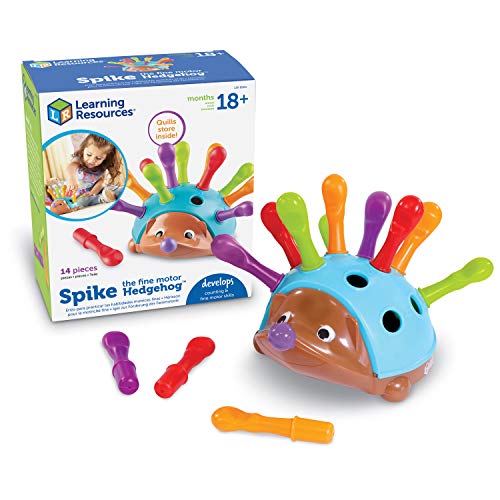
The Spike The Fine Motor Hedgehog offers colorfully designed quills that children remove and place into the hedgehog’s back, building essential hand muscles and hand-eye coordination. Suited for ages 18 months and up, this toy grows with the child, shifting from basic shape sorting to color, counting, and pattern recognition as preschool skills emerge. The tactile quills provide engaging sensory input, helping maintain focus during playtime while encouraging careful placement and retrieval. This setup supports motor planning and bilateral coordination as kids switch hands to complete tasks.
Melissa & Doug Primary Lacing Beads

This bead set includes 30 bright wooden beads, two laces, and a wooden storage box. The beads come in assorted shapes that are easy for little hands to grasp and thread, making it a straightforward yet powerful exercise in fine motor control. Threading develops hand-eye coordination and precise finger movements, while bead shapes and colors support early math and cognitive skills. The included storage case keeps materials organized, encouraging independent play and responsibility in tidying up after activities.
EARLY EXPLORER TOYS 3-in-1 Montessori Color Sorting

This Montessori-inspired toy offers three lids—geometric, coin-style, and a flat lid—each presenting a distinct fine motor challenge. Children practice grasping and inserting wooden sticks into varied slots, developing grip strength, hand-eye coordination, and directional awareness. The design fosters open-ended play and autonomy, with kids choosing which lid to tackle and how to approach each challenge. A strong option for independent practice while supporting early cognitive development in color recognition and problem-solving.
GYsomer Color Sorting Sensory Toys
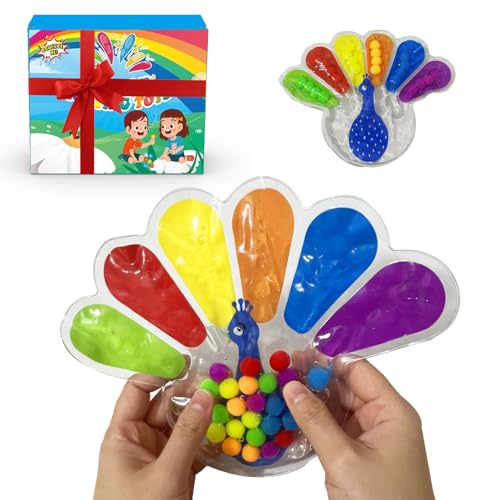
GYsomer Color Sorting Sensory Toys emphasize color recognition while promoting fine motor precision through squeezing, placing, and sorting beads or components. The soft materials offer a soothing tactile experience, which can support emotional regulation and sustained focus. Color sorting activities help children name colors, sequence items, and compare sizes, providing a multi-sensory approach to early math foundations and independent play. This option appeals to children who enjoy sensory-rich play and tactile feedback during problem-solving tasks.
Learning Resources Noodle Knockout

Noodle Knockout blends fine motor practice with game-based learning in a noodle-themed setup. Players snag noodles to fill bowls, reinforcing precision in pinching, grabbing, and placing objects. The content is designed for both individual and group play, supporting social interaction and collaborative problem-solving. It also introduces counting and color skills, offering a 3-in-1 educational experience that aligns with early literacy and numeracy goals. The portable nature of the game makes it suitable for travel or classroom use.
Buying Guide
Key considerations help tailor selections to a child’s development stage and household needs. Colorful, tactile toys often yield higher engagement, but ensure materials are safe and appropriate for the child’s age. Consider the following:
- Skill focus: If you want wrist and finger dexterity, choose activities emphasizing pinching, threading, and grippable pieces (spikes, beads, and sticks).
- Durability and safety: Look for sturdy wooden components or non-toxic plastics with smooth edges and rounded corners. Avoid small parts for younger children (under 3) to minimize choking risks.
- Open-ended play: Toys that allow multiple solutions strengthen problem-solving and autonomy. Montessori-inspired designs often support this approach.
- Growth potential: Select toys that scale in complexity as a child grows, such as color sorting that introduces patterning and counting.
- Maintenance: Bead kits and sets with storage help maintain organization and ongoing engagement. Easy-clean surfaces are a plus for household use.
For families seeking a balanced approach, a combination of stacking, threading, and sorting activities provides comprehensive fine motor development. When rotating toys, aim to present new challenges—like transitioning from color matching to simple counting or pattern recognition—to keep engagement high and skills progressing.