Best Electric Keyboard for Kids: Top Learning Keyboards for Young Musicians
Choosing the right electric keyboard for kids supports early music education, fine motor skills, and creativity. The following selections emphasize kid-friendly features, durability, and engaging learning aids. Each option blends portability with educational tools like built-in lessons, demo songs, and recording functions to help children explore tunes and rhythms confidently.
| Product | Key Features | Ideal For |
|---|---|---|
| RockJam 49 Key Keyboard | 49 full-size keys, sheet music stand, piano note stickers, Simply Piano lessons | Beginners and early learners |
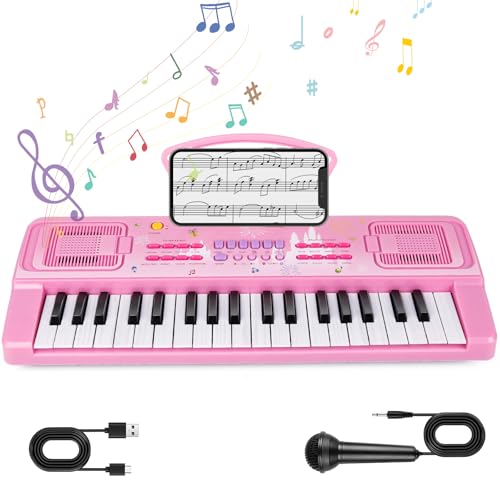
| BIGFUN Kid Keyboard 37 Keys | Multi-function piano with speakers, rhythms, demo songs, USB power | Young kids who want variety |
| RockJam 61-Key Keyboard Kit | 61 keys, LCD display, 100 rhythms, 50 tones, recording | Kids progressing to more features |
| M SANMERSEN 61-Key Kids Keyboard | 61 keys, multiple tones, recording playback, teaching tools | Beginner to intermediate practice |
| Drmukie 37 Key Keyboard Toy | Record & Playback, 19 demos, multiple tones, animal sounds | Young children with imaginative play |
RockJam 49 Key Keyboard Piano
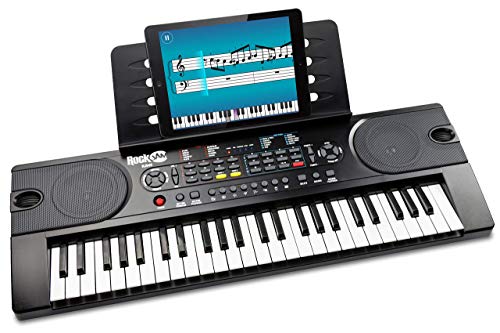
The RockJam 49 Key Keyboard Piano provides a compact, kid-friendly entry into piano basics. It features 49 full-sized keys for a familiar touch, a sheet music stand to support reading music, and piano note stickers to help young learners locate notes quickly. The included Simply Piano lessons offer structured guidance, making this an appealing all-in-one tool for beginners and children who want immediate results while practicing daily.
BIGFUN Kid Keyboard Piano

The BIGFUN 37-key keyboard offers a multifunctional play experience suitable for toddlers and young children. It includes double speakers, multiple rhythms, tones, and a USB power option, making it easy to power and play in various settings. The device adheres to child-safety standards and provides engaging features that encourage exploration of music, rhythm, and beat patterns in a controlled learning environment.
RockJam 61-Key Keyboard Kit
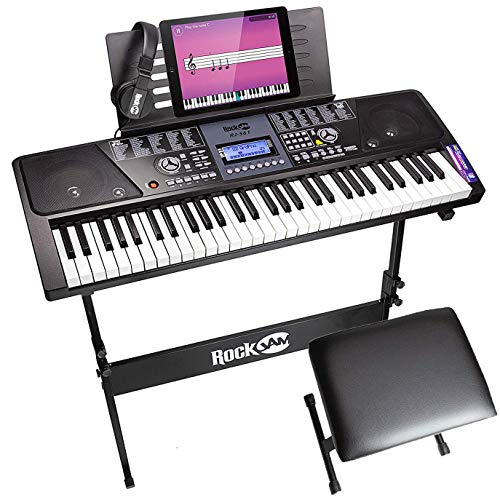
This RockJam 561 keyboard kit combines a 61-key digital keyboard with an LCD display that unlocks 100 rhythms, 50 tones, and teaching functions, plus 30 demo songs. The inclusion of a stand, stool, headphones, key stickers, and piano lessons makes it a turnkey kit for home practice and structured learning, supporting progression from basic to more complex pieces. Recording and playback enable kids to review performances and refine their technique.
M SANMERSEN Kids Keyboard, 61-Key
The M SANMERSEN 61-key keyboard is designed for beginners and early learners, featuring eight instrument tones, demo songs, rhythms, and animal sounds. The compact, sturdy construction is paired with a child-friendly size and a safe material build for young hands. It supports simple recording and playback, helping kids understand melody and structure while practicing hand-eye coordination and musical concepts.
Drmukie 37 Key Piano Keyboard Toy

The Drmukie 37-key piano keyboard toy emphasizes early musical exploration with a play-friendly design. It includes a record and playback function, 19 demos, 8 tones, and various rhythms and sounds, plus a microphone. The wood-grain keys and dual speakers aim to mimic a real keyboard experience, helping kids develop rhythm sense and motor skills while encouraging imaginative play.
Buying Guide: Key Purchase Considerations
- Age and skill level: Look for key counts and learning features that align with a child’s age and progression pace.
- Playability: Consider key size, touch sensitivity, and weight; larger, more piano-like keyboards support better technique as kids grow.
- Learning features: Built-in lessons, demo songs, recording and playback, and color-coded note stickers can accelerate early learning.
- Durability and safety: Choose kid-friendly materials, rounded edges, and non-toxic plastics. Examine stand and accessory stability for rough play.
- Power options: USB power or battery operation adds portability but check for safe, low-voltage operation suitable for children.
- Portability and space: Smaller keyboards are easier to move and store; consider a stand and stool kit for a complete setup.
- Expandability: Kits with accessories such as stands, headphones, and stickers support a smoother learning curve and future skill development.
- Sound and features balance: More tones and rhythms are enjoyable, but prioritize educational value and build quality over sheer quantity of features.
- Safety and cleaning: Ensure easy cleaning and child-safe wiring; avoid overly complex controls that may frustrate younger kids.
- Budget considerations: Start with essential features for beginners, then upgrade to keyboards with enhanced teaching tools as interest grows.