Best Glider Bikes for Toddlers: Safe, Fun Balance Bikes to Start Little Riders
Parents seeking a gentle, confidence-boosting path to early riding will find balance bikes—also known as glider bikes—are a popular choice for toddlers. These pedal-free designs emphasize balance, steering, and coordination, helping children transition to pedal bikes smoothly. Below are five standout options that blend safety, durability, and kid-friendly features for ages roughly 1 to 5. Each profile includes key attributes and how they support early riding milestones.
Summary Table
| Product | Brand | Starting Age/Range | Notable Feature |
|---|---|---|---|
| Youthkkee 12 Inch Toddler Balance Bike | Youthkkee | 1-3 years | Tool-free adjustable seat; customizable plate |
| SEREED Toddler Balance Bike 2 Year Old | SEREED | 2-3 years | Quick-release height adjustment; no-pedal design |
| KRIDDO Toddler Balance Bike 2 Year Old | KRIDDO | 2-5 years | Adjustable seat & handlebars; customizable plate |
| Bobike Toddler Balance Bike (Pink) | Bobike | 1-3 years | Adjustable seat; enclosed wheels; easy assembly |
| KRIDDO Toddler Balance Bike 2-5 Years (Green) | KRIDDO | 2-5 years | Dual bearing wheels; personalized plates |
Youthkkee 12 Inch Toddler Balance Bike

The Youthkkee balance bike focuses on balance development with its pedal-free design and low center of gravity, helping toddlers build confidence during early rides. An adjustable seat height accommodates growing children, and its durable frame supports active play. The design emphasizes a natural riding posture, supporting comfort during longer sessions of gliding and steering practice. A plate customization option adds a personal touch for kids who want to make their bike uniquely theirs.
SEREED Toddler Balance Bike (White)

The SEREED model emphasizes safety and growth with a sturdy carbon-steel frame and a quick-release mechanism for tool-free seat and handlebar height adjustments. Its no-pedal design encourages balance and steering early on, helping children gain self-confidence on two wheels. The package includes a customizable plate with stickers, enabling kids to personalize their ride while they learn.
KRIDDO Toddler Balance Bike (White)

KRIDDO’s balance bike offers an early-learning approach with an adjustable seat and handlebar setup to fit children from about 2 to 5 years old. It includes a removable customizable plate with stickers, allowing kids to express themselves while practicing balance and coordination. The bike’s wide, robust frame and soft saddle are designed to withstand repeated rides, bumps, and occasional tumbles as kids explore outdoor spaces.
Bobike Toddler Balance Bike (Pink)
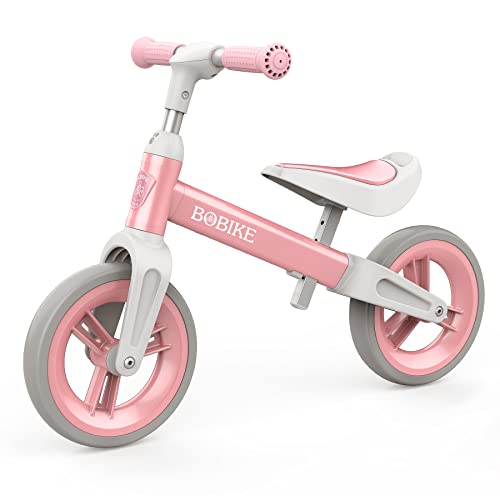
Bobike offers a compact, abdomen-friendly design with a durable carbon-steel frame and adjustable seat for toddlers up to around four years. The enclosed, non-slip wheels and easy assembly make it a practical first balance bike for parents who want a straightforward setup and reliable performance during early riding sessions focused on balance and motor development.
KRIDDO Toddler Balance Bike (Green)
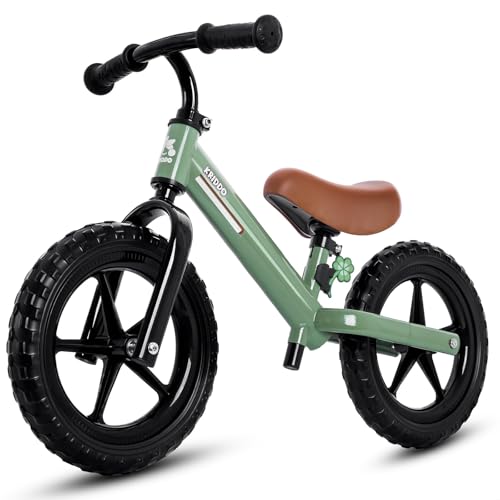
The Green KRIDDO option emphasizes growth with adjustable seat heights and handlebars, accommodating riders from roughly 2 to 5 years. Its dual-bearing wheels provide smoother gliding with reduced knee strain, while the playful plate and sticker options give kids a fun way to personalize their bike as they develop balance and steering skills for independent outdoor exploration.
Buying Guide: Key Purchase Considerations
- Age and size suitability: Most balance bikes are designed for ages 1–5. Verify the stated age range and adjustability (seat height and handlebar height) to match your child’s height and growth trajectory.
- Adjustment features: Tool-free adjustments speed up frequent height changes as kids grow. Quick-release mechanisms and adjustable seats/handles are especially convenient.
- Weight and durability: A lightweight frame is easier for toddlers to maneuver, but ensure the bike supports at least 110 lbs when possible to accommodate growing children. Materials like steel or reinforced aluminum balance durability with safety.
- Wheels and tires: Closed or non-slip wheels reduce foot injuries and provide stability. Look for wide tires with good grip for diverse surfaces.
- Safety design: A low center of gravity, soft saddle, padded handlebar grips, and a lack of pedals minimize risk during falls and encourage confident gliding.
- Personalization options: Removable plates or sticker sets can heighten engagement and ownership, motivating practice without compromising safety.
- Assembly and maintenance: Choose models with simple assembly and minimal tools. Regular inspections of bolts, seat, and handlebars ensure continued safety.
- Certification and safety standards: Certifications (when listed) can signal adherence to child-safety guidelines. Without official certification, rely on robust construction and reputable brand trust.
- Upgradability to pedals: If you anticipate moving to a pedal bike soon, pick a model with a long adjustment window and a design that smoothly transitions to a pedal bike.
- Travel and storage: Consider the bike’s weight and foldability (if applicable) for easy transport in cars and storage in smaller living spaces.