Best Architecture Toys for Kids: Build, Learn, and Explore Style and Structure
Discover top architecture-themed toys that blend creative play with foundational STEM skills. This guide highlights five engaging options that help kids explore design, forces, and construction—from tiny models to city skylines—without sacrificing safety or fun. Each pick comes with real-world engineering concepts, making them ideal for curious minds and budding architects alike.
Summary of chosen products:
| Product | Brand | What It Teaches | Need-To-Know |
|---|---|---|---|
| Art-chitect Home Model Building Kit | MindWare | Floor plans, architectural drawing, geometry | 3D home design concept to finish |
| STEM Building Kit: Structures & Bridges | Engino | Forces, weight support, real-world structures | 9 working models included |
| 3D NYC Skyline Puzzle | CubicFun | Landmarks, city planning, spatial reasoning | Foam-based, no tools needed |
| Da Vinci Catapult Model Kit | Blue Marble | Early engineering concepts, mechanical design | Wood components, functional models |
| LEGO Architecture London Skyline | LEGO | Iconic architecture, display-worthy builds | Adult or teen-oriented |
MindWare Art-chitect Home Design Kit

MindWare’s Art-chitect kit invites kids to concept, draft, and assemble a 3D home model. The set emphasizes architectural design techniques, geometry practice, and visual communication. It starts with planning and ends with a finished structure, helping children translate ideas into tangible forms. The included activities support independent exploration or collaborative design, making it suitable for classrooms or family projects. The kit’s design encourages critical thinking about space, proportion, and balance as a foundational architectural skill.
Engino Structures, Bridges & Buildings
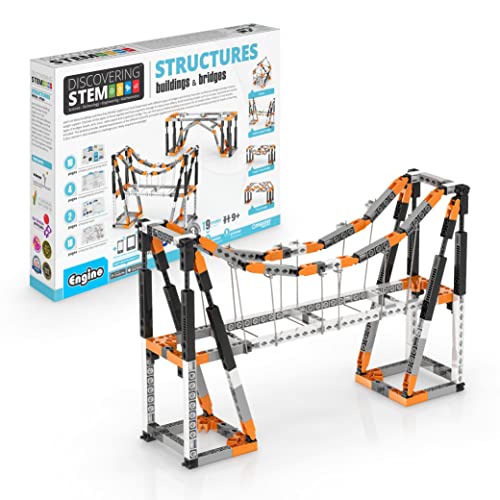
Engino’s kit introduces kids to the forces that affect buildings and bridges. With nine working models, learners explore how shapes and materials bear loads, while a theory-and-facts booklet ties practical builds to scientific principles. Clear instructions guide beginners, yet the projects offer depth for curious students. This kit is especially useful for introducing physics concepts early and connecting them to real-world engineering challenges, preparing young builders for more complex structures later on.
3D NYC Skyline Puzzle By CubicFun
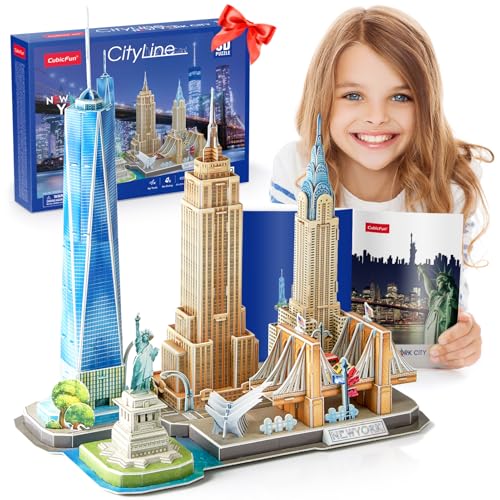
This CubicFun 3D puzzle builds five famous New York City landmarks using foam board pieces that interlock without glue or tools. The project strengthens spatial reasoning and fosters an appreciation for urban design and city planning. While the model is decorative once completed, the construction process reinforces measurement, proportion, and attention to detail, making it an engaging bridge between arts-and-crafts and architectural study for ages 8–12 and beyond.
NATIONAL GEOGRAPHIC Da Vinci Catapult Kit

This National Geographic Da Vinci kit (Amazon Exclusive) features three classic machines—a ballista, bombard, and a catapult. Fully functional builds, with simple laser-cut wooden components and rubber bands, offer a hands-on look at mechanical engineering. The kit comes with projectiles and targets, enabling experimentation with trajectory and range. Assembly times are typically short, making it suitable for short bursts of focused activity that still deliver meaningful insight into historical engineering methods.
LEGO Architecture London Skyline 21034
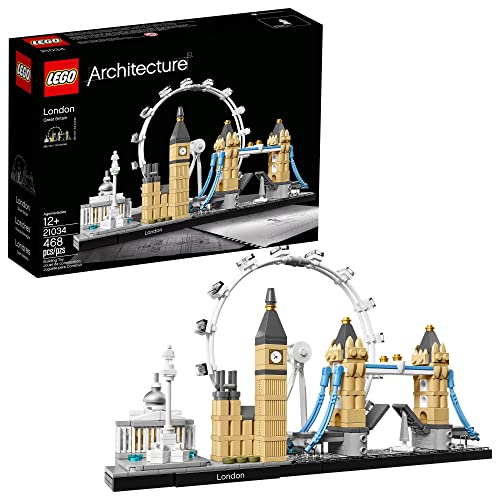
LEGO Architecture London Skyline offers a detailed homage to the city’s famous landmarks. This building set emphasizes architectural diversity and design accuracy, appealing to teens and adults as a display piece or a high-end hobby project. The model focuses on iconic structures like the National Gallery, Nelson’s Column, the London Eye, and Tower Bridge, encouraging patience, planning, and attention to detail. It also serves as an attractive educational display that can spark conversations about urban development and architectural history.
Buying Guide: Architecture Toys For Curious Minds
Age appropriateness and learning goals matter. Experience variety ranges from beginner design projects to more advanced mechanical models. For younger children, look for kits that emphasize basic geometry, planning, and safe, intuitive assembly. For older kids, teens, or classroom use, choose sets with deeper theory, real-world applications, and measurable outcomes such as completed models or experiments.
Materials and safety are essential. Foam, wood, and sturdy plastics are common in reputable kits. Avoid sharp edges and ensure small parts are suitable for the child’s age to minimize choking hazards. Additionally, consider the durability of the model and whether parts are reusable for future projects.
Educational value versus engagement. Some sets prioritize storytelling and city planning, while others emphasize hands-on engineering and physics concepts. If possible, align selections with the child’s interests—landmarks, city skylines, ancient architecture, or structural challenges. A mix of artful display builds and functional models provides both motivation and practical learning.
Expandability and future learning. Look for kits that introduce core principles (forces, balance, weight distribution) with opportunities for more complex explorations later. Modular or expandable kits let kids grow with the material, reducing the need for frequent purchases and maximizing education over time.
Displayability and collecting. Many architecture toys culminate in a decorative final product. If display quality matters, prioritize models with accurate detailing and a polished finish. This adds value as a learning artifact and a keepsake of a child’s progress.
Budget and versatility. While price isn’t listed here, consider value, not just the initial purchase. Some kits include theory pages, experiments, or multiple models, offering broader educational depth per dollar. Weigh long-term learning versus single-project appeal to choose the best overall option.
Accessibility and support. Clear instructions, age-appropriate guidance, and online resources or forums can significantly impact the learning experience. Look for kits that provide easy-to-follow steps, troubleshooting tips, and supplementary ideas to extend play beyond the finished build.
Weather and space considerations. Some sets are compact and quiet, suitable for a desk or classroom workspace. Others may require more room or occasional mess management. Factor in where the child will work and how often they’ll engage with the kit.
In sum, selecting architecture toys involves balancing instructional depth, hands-on appeal, safety, and display potential. The five picks above offer a spectrum from basic design exploration to intricate engineering models, ensuring a well-rounded portfolio for budding architects and curious builders alike.