Best Alphabet Charts for Toddlers: Learn ABCs and Beyond
Choosing the right alphabet chart can boost early literacy by helping toddlers recognize letters, sounds, and related words through colorful visuals and interactive features. This guide highlights five highly relevant alphabet chart products designed for toddlers and preschoolers, offering durable materials, engaging activities, and practical classroom or home use. Each option emphasizes letter recognition, handwriting practice, and early phonics in a kid-friendly format.
| Product | Brand | Key Features |
|---|---|---|
| Palace Learning 4 Pack – ABC Alphabet Posters | Palace Learning | 4 posters, 18″ x 24″, laminated, tear resistant |
| Just Smarty Alphabet Wall Chart for Toddlers | Just Smarty | Alphabet sounds, numbers, speech therapy friendly, musical |
| Alphabet Learning Pocket Chart (XL) | Joyreal | Hands-on activities, 7 themes, built-in card storage |
| Torlam Alphabet Learning Pocket Chart | Torlam | Letter practice, 7 activities, classroom and homeschool use |
| Electronic Alphabet Wall Chart | GaHoo | Talking poster, shapes and colors on reverse, portable |
Palace Learning 4 Pack – ABC Alphabet Posters
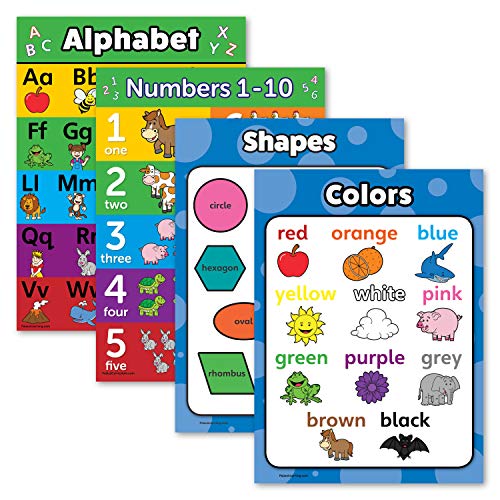
The Palace Learning 4 Pack provides a compact bundle of essential literacy visuals. Each poster measures 18″ x 24″ and arrives laminated for durability, making them suitable for high-traffic areas such as classrooms or playrooms. The set covers the alphabet, numbers 1-10, shapes, and colors, enabling broad early-learning exposure. The laminate helps resist tearing, enabling repeated handling by curious toddlers while preserving bright, engaging graphics that reinforce letter shapes and basic concepts. These posters work well for daily review, center activities, or wall displays.
Just Smarty Alphabet Wall Chart for Toddlers

This Just Smarty chart targets early literacy with a focus on the alphabet and numbers, plus speech-therapy-friendly design. The product is positioned as a versatile learning toy for ages 1–3, with interactive opportunities to reinforce word recognition and letter sounds. It includes musical elements that can engage children through singing along to classic kids’ songs, supporting memory and pronunciation. The combination of visual cues and auditory prompts can be beneficial for children who benefit from multisensory learning experiences.
Alphabet Learning Pocket Chart (Joyreal)

The Joyreal Alphabet Learning Pocket Chart emphasizes hands-on practice with A–Z letters through colorful visuals and interactive components. Its pocket-chart format supports varied activities such as handwriting tracing, identifying uppercase and lowercase letters, and practicing beginning sounds. The set includes multiple card types and rulers for organized, space-efficient activities, making it well-suited for group centers or individual work in a preschool or homeschool setting. Built-in storage helps keep cards and materials organized for frequent use.
Torlam Alphabet Learning Pocket Chart

Torlam’s alphabet pocket chart emphasizes structured practice with seven different activities designed to support letter recognition, vowel/consonant differentiation, and tracing. This option is well-suited for classrooms or homeschool setups that use station-based learning and group instruction. The interactive format encourages repetition and reinforcement of letter sounds, which can aid phonemic awareness. The materials are designed for preschool and kindergarten age groups, aligning with common early literacy curricula and weekly themes.
Electronic Alphabet Wall Chart (GaHoo)

This talking alphabet wall chart from GaHoo introduces letters and numbers through interactive audio and visual prompts. The device supports learning by touch, featuring clear audio, adjustable volume, and portability for use in cars or travel. The back side presents shapes and color-counting activities to broaden cognitive associations beyond letters. The audible feedback and simple controls make it accessible for toddlers starting to recognize letters and numbers while encouraging active participation and engagement with the material.
Just Smarty Interactive Alphabet Wall Chart (Talking)

This Just Smarty interactive poster features a talking, light-responsive design that motivates kids to identify letters and words. The product emphasizes memory, spelling, and early literacy through interactive prompts and music. It is marketed as a suitable gift for toddlers and preschoolers who enjoy dynamic, multisensory learning experiences. The interactive light and color feedback can support engagement and reinforce letter-sound associations as part of a broader alphabet learning routine.
Palace Curriculum ABC Alphabet Poster Chart

This Palace Learning poster emphasizes a durable, double-sided presentation, offering vertical front and horizontal back layouts for flexible display. The 18″ x 24″ size remains appropriate for classroom walls or home learning spaces, and the laminated 3-mil coating provides tear resistance for ongoing use. This option supports widespread letter exposure and visual reinforcement, enabling teachers and parents to rotate content or create parallel activities across different learning stations.
Just Smarty Interactive Alphabet Wall Chart (Girls’ Focus)

This Just Smarty chart targets early childhood development with a focus on alphabet, word association, and numbers. It includes interactive features and music, designed to engage toddlers and preschoolers. The product is positioned as a versatile learning tool for ages 2–4, supporting language development, memory, and basic spelling. The combination of interactive prompts and kid-friendly visuals makes it suitable for small-group activities or solo learning at home.
Buying Guide: Key Purchase Considerations
When choosing an alphabet chart for toddlers, consider the following factors to ensure an effective learning tool that fits your setting and goals:
- Durability and material: Laminated posters and pocket charts stand up to frequent touch and movement. Look for tear-resistant or double-sided formats for longevity and flexibility.
- Age and development fit: For toddlers, focus on engaging visuals, color coding, and simple letter recognition. For preschoolers, include activities that support handwriting practice and initial phonics.
- Interactivity: Wall charts with audio, motion, or touch-responsive features can boost engagement and memory retention, especially for children who benefit from multisensory learning.
- Storage and organization: Pocket charts with built-in card storage help keep activities neat and accessible, which is important for small group centers or busy home classrooms.
- Versatility: Options that cover letters, numbers, shapes, and colors provide broader literacy exposure and align with early curriculum standards.
- Display setup: Consider wall space, portability, and whether you need vertical or horizontal layouts. Double-sided or foldable designs offer flexible display in different rooms or settings.
- Cost versus value: Laminated, durable charts can offer long-term savings by withstanding heavy use, whereas interactive models may provide richer engagement for targeted outcomes.
- Accessibility: Choose products with clear, legible fonts and images, and ensure audio features are easy to operate for young children with limited motor skills.
In sum, the best choice depends on your environment—home classroom, daycare, or preschool—along with the child’s learning style. A combination of durable visuals and interactive elements tends to offer the most comprehensive exposure to alphabet learning, phonics, and early literacy skills for toddlers and young learners.