Best Balance Bikes for Two Year Olds and Early Riders
Choosing the right balance bike helps toddlers learn balance, coordination, and confidence as they transition to pedal riding. The options below highlight popular, age-appropriate models designed for kids around 24 months and up to 5 years old. Each bike emphasizes safety, adjustability, and a customizable or engaging design to keep little riders motivated as they grow. The list focuses on entry-level, no-pedal bikes that support early motor development, indoors and outdoors play, and simple assembly for busy families.
| Product | Brand | Appropriate Age | Notable Feature |
|---|---|---|---|
| KRIDDO Toddler Balance Bike | KRIDDO | 24-60 months | Customizable plate with stickers |
| SEREED No-Pedal Balance Bike (White) | SEREED | 24-60 months | Tool-free height adjustments |
| RIDYEE Toddler Balance Bike (Green) | RIDYEE | 24-60 months | Customizable plate and stickers |
| Gotrax KS12 Balance Bike | Gotrax | 24-60 months | LED lights, adjustable seat/handlebar |
| Bobike Toddler Balance Bike (Pink) | Bobike | 24-60 months | Adjustable seat, durable carbon steel frame |
Summary of selected products for quick reference.
KRIDDO Toddler Balance Bike
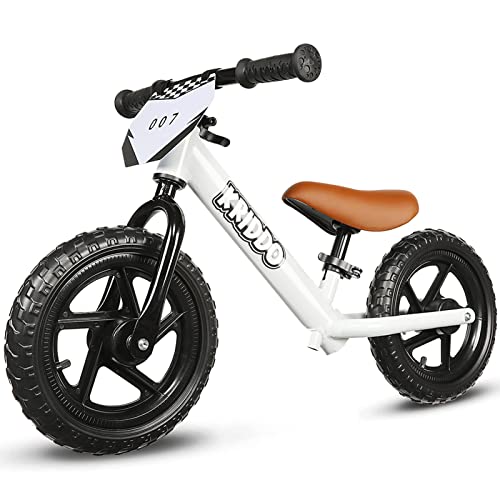
KRIDDO’s balance bike is designed for ages 2 to 5, offering a sturdy carbon steel frame and a wide footprint for stability. It features a removable customizable plate with included sticker sets, allowing kids to personalize their ride. The bike emphasizes safety with soft grip handlebars and a soft PU seat, supporting up to 110 lbs. Its design encourages pushing, standing, and walking as a precursor to riding, suitable for both indoor and outdoor use.
SEREED No-Pedal Balance Bike (White)

SEREED’s no-pedal design supports ages 2 to 5 with a wide carbon steel frame rated up to 110 lbs. Quick-release adjustments allow changing seat height from 12.6 to 17.1 inches and handlebar height from 19.6 to 22.5 inches without tools. This setup helps children learn balance and steering before adopting pedals and includes a personalized plate and stickers for customization.
SEREED Toddler Balance Bike (Pink)

This pink edition mirrors the white variant with the same sturdy construction and tool-free height adjustability. It supports growth from early walking stages to more confident balance riding, providing a reliable transition from a toddler’s first bike to a pedal bicycle. The no-pedal design focuses on balance, steering, and core coordination development.
Gotrax KS12 Balance Bike

Gotrax KS12 is built for toddlers ages 2 to 5, featuring LED lights for visual appeal and added play value. The seat and handlebar are adjustable to accommodate growth, and the bike uses a lightweight carbon steel frame with flat-free tires. A bell and cushioned seat enhance comfort and safety as children practice gliding and steering in varied environments.
Bobike Toddler Balance Bike (Pink)
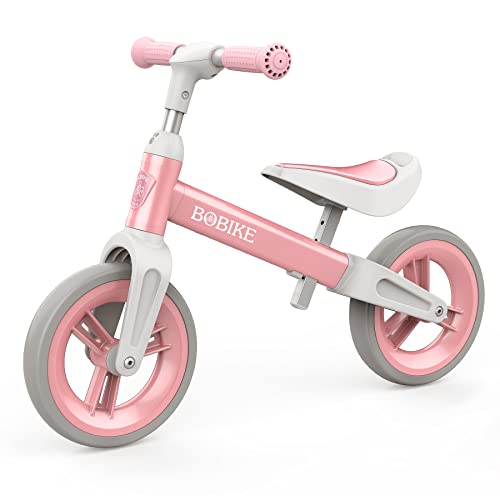
Bobike offers a kid-friendly balance bike with a durable carbon steel frame, an adjustable seat, and enclosed, non-slip wheels for balance training. The design emphasizes a gentle learning curve for balance and basic riding, with quick assembly and reliable construction to support early rider development in both indoor and outdoor spaces.
Buying Guide: Key Considerations For Choosing A Balance Bike
- Age and growth: Look for bikes that fit ages 2 to 5 with adjustable seat and handlebar heights to accommodate growth without frequent replacements.
- Weight capacity: Most popular options support around 110 lbs; ensure the frame and wheels can handle your child’s weight for safe use.
- Safety features: Prioritize wide, stable frames, soft grips, padded seats, and non-slip wheels. Look for 135-degree turning limits or similar safety measures for balance learning.
- Maintenance and assembly: Favor models with tool-free adjustments and minimal assembly. Quick-release adjustments reduce downtime and frustration.
- Customization and motivation: Plates, stickers, and color options can boost a child’s interest and ownership, encouraging longer practice sessions.
- Indoor vs outdoor: Consider tires and frame materials suitable for both surfaces. Some models perform well on hard floors and smooth pavements alike.
- Transition readiness: A quality balance bike helps children progress to pedal bikes more smoothly by strengthening balance and steering skills first.
In summary, selecting a balance bike for a two-year-old centers on adjustable fit, safety-first design, and features that keep the child engaged. The featured models provide a balance of personalization, ease of use, and durable construction to support early riding experiences and confident progression to pedaled bikes.