Best Board Games for a 6-Year-Old Boy: Fun and Learning
Finding age-appropriate board games that captivate a 6-year-old boy can boost focus, social skills, and strategic thinking. The following selections are chosen for clear rules, engaging themes, and family-friendly play. Each entry includes a quick why-it-mits the kid audience, plus an eye-catching image to help you compare at a glance.
| Product | Why It Fits | Age Range |
|---|---|---|
| Hasbro Gaming Battleship with Planes Strategy Board Game for Ages 7 and Up | Strategic naval battles with planes adds excitement beyond the classic, great for competitive play | 7+ |
| Hasbro Gaming Connect 4 Classic Grid | Quick-to-learn rules; builds planning and forethought | 6+ |
| Asmodee Ticket to Ride First Journey | Simple map, approachable route-building; cooperative family play | 6+ |
| Hasbro Gaming Chutes and Ladders: Marvel Spider-Man Edition | Colorful, familiar theme; easy for younger players | 3+ |
| Hasbro Gaming Trouble | Easy setup, fast rounds; gentle introduction to turn-taking | 5+ |
Battleship With Planes: Strategy For Young Commanders

This Amazon Exclusive version adds airplanes to the classic Battleship formula, enriching strategy with air combat elements. Players must plan moves to sink ships while also crashing enemy planes, offering a fun twist that keeps 6-year-olds engaged. The game comes with two portable battle cases and storage for ships, planes, and pegs, making it suitable for quick setup and travel. It supports tactical thinking, as players must anticipate opponent choices and adapt strategies accordingly.
Connect 4 Classic Grid
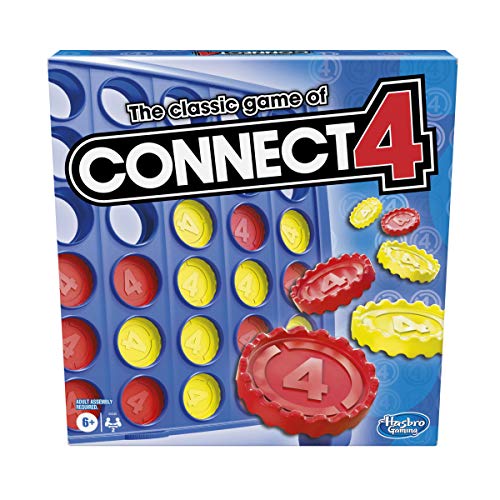
Connect 4 is a staple for developing strategic planning and sequence forecasting. The modern style and vivid colors keep young players visually engaged, while two players work on planning moves ahead and blocking opponents. The game’s quick rounds suit short attention spans, and the goal—aligning four discs in a row—offers a clear, achievable objective that builds confidence.
Ticket to Ride First Journey: Train Adventure

Ticket to Ride First Journey introduces a child-friendly, cross-country train adventure with a simplified map and rules. Players collect train cards, claim routes, and connect cities to complete journeys. Its approachable length (about 15–30 minutes) makes it ideal for younger players who enjoy a light strategic challenge, spatial planning, and cooperation within a family game session.
Chutes and Ladders: Marvel Spider-Man Edition

The Spider-Man edition of Chutes and Ladders offers colorful artwork and familiar superhero characters to ease new players into the loop of climbing ladders and sliding down chutes. It’s a light, energetic intro to board-game mechanics, helping kids learn counting and turn-taking without heavy rules. It remains accessible for a 6-year-old while providing a gentle bridge to more complex strategy games in the future.
Trouble: Classic Family Fun
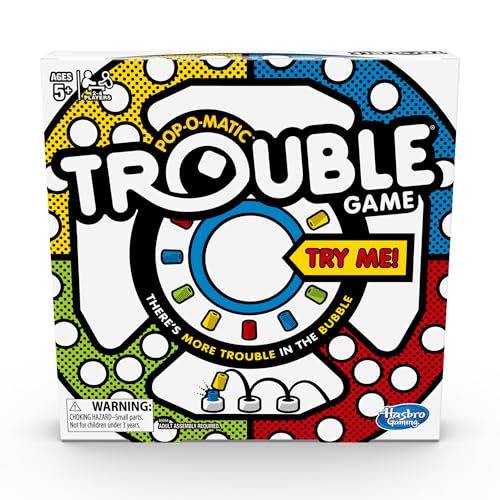
Trouble brings quick, social fun with its iconic popping die and simple objective: move your pieces around the board before everyone else. The game’s shorter rounds suit younger players who are still mastering turn order and pacing. A flexible option with accessible setup, it doubles as a gentle introduction to strategy and multiplayer competition in a family game night.
Buying Guide: Key Purchase Considerations
- Age-appropriateness: Look for games labeled 6+, 5+, or All Ages to ensure suitability for a 6-year-old boy with room to grow into more complex play.
- Rule simplicity vs. depth: Favor games with clear, concise rules that still offer strategic choices, enabling both immediate fun and skill development.
- Play time: For younger players, shorter sessions (15–30 minutes) help maintain attention and enjoyment; longer games can be reserved for weekend family time.
- Player count: Choose games that support 2 players or small groups, as many families alternate between solo play and family sessions.
- Theme and engagement: Familiar characters or adventurous settings (pirates, trains, superheroes) boost engagement and enthusiasm to learn the rules.
- Durability and portability: Look for sturdy pieces and portable storage options, especially for travel or on-the-go play.
- Skill development: Consider how a game builds cognitive skills such as counting, planning, memory, and social interaction like turn-taking and fair play.
- Future-proofing: Select a mix of quick, casual games and slightly more involved ones to grow with the child’s abilities over time.
Overall, the listed titles provide a range of experiences—from fast-paced, color-rich actions to thoughtful strategy—designed to entertain a 6-year-old while laying groundwork for more advanced gaming concepts as they grow. Each option supports parent-guided play or independent play, depending on family preference and the child’s development trajectory.