Best Board Games for Six Year Olds That Are Fun and Educational
Finding the right board games for six-year-olds combines engaging play with easy-to-understand rules. The following selections are chosen for ages around six and up, balancing simple gameplay with stepping stones to strategic thinking. Each title emphasizes short turns, bright visuals, and family-friendly competition, making them ideal for gatherings, classroom activities, and at-home game nights. Below is a quick summary of the chosen games before diving into detailed sections.
| Product | Brand | Age | Highlights |
|---|---|---|---|
| Candy Land Kingdom of Sweet Adventures | Hasbro Gaming | Ages 3+ | No reading required; race to the castle |
| Connect 4 Classic Grid | Connect 4 | Ages 6+ | 4-in-a-row strategy; modern style |
| Sorry! Board Game | Hasbro Gaming | Ages 6+ | Race to home with friendly “revenge” cards |
| Hedbanz 2023 Edition | Spin Master Games | Ages 6+ | Picture guessing with quick questions |
| Chutes and Ladders | Hasbro Gaming | Ages 3+ | Classic grade-school ladder and chute play |
Candy Land Kingdom Of Sweet Adventures Board Game

Hasbro Gaming’s Candy Land Kingdom of Sweet Adventures adapts the classic Candy Land experience for today’s families. The game uses a simple path with colorful, friendly characters, guiding young players toward the castle. It’s designed for kids ages 3 and up, making it a gentle introduction to board-game play for six-year-olds still building reading and counting skills. The game emphasizes color recognition and turn-based movement, with no reading required, which helps newcomers focus on gameplay and pace rather than text. This title supports family play and helps younger players gain comfort with competition and cooperation in a friendly setting.
Key features include a straightforward race to the castle, a narrative theme centered around delicious surprises, and pawns that are easy for small hands to maneuver. For households seeking a low-prep, high-family-value option, Candy Land remains a dependable choice for early-grade play sessions and school-age siblings looking to play together without lengthy setup.
Connect 4 Classic Grid
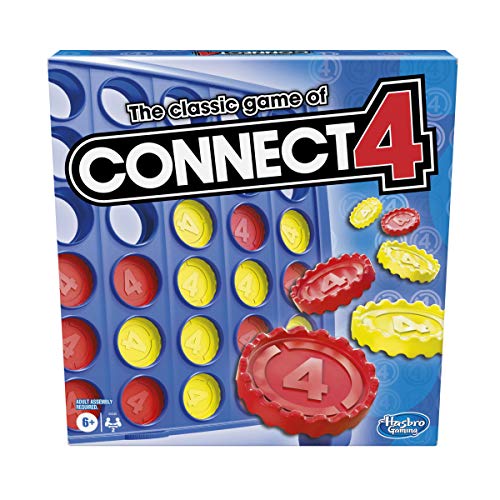
Connect 4 is a timeless two-player strategy game that challenges kids to plan ahead and anticipate an opponent’s moves. The Classic Grid version features a modern aesthetic with bold colors and a sleek design, making it visually appealing for six-year-olds. Players drop discs into a vertical grid, aiming to align four in a row. The game cultivates pattern recognition, strategic thinking, and competitive focus in short, repeatable rounds. It’s quick to learn, easy to set up, and suitable for family game nights or classroom play sessions where kids hope to outmaneuver a sibling or friend.
With a compact footprint and durable components, Connect 4 supports repeated play with minimal frustration. As children develop spatial reasoning and early game planning skills, this title remains a staple for school-aged kids who crave a quick win and a satisfying strategic challenge.
Sorry! Board Game
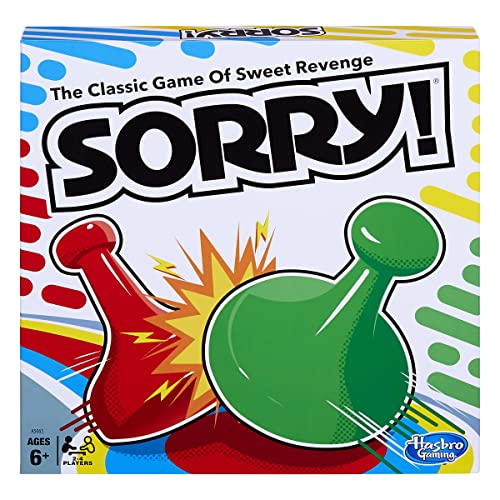
The Sorry! board game uses a classic race-to-home mechanic that is engaging for kids and parents alike. Players move pawns around the board and can send others’ pieces back to the start, introducing light strategy and social interaction. For six-year-olds, the rules are approachable but offer enough variation to maintain interest as players learn planning and risk assessment. The game supports family-style play, encouraging turn-taking, social communication, and math-friendly counting as players move pieces and count spaces.
With multiple ways to play depending on card draws, Sorry! provides varied experiences within a familiar framework. This can help kids build strategic flexibility while enjoying the interactive, lighthearted competition typical of a family board game collection.
Hedbanz 2023 Edition

Hedbanz 2023 Edition is a fast-paced picture guessing game that emphasizes quick thinking and verbal description. Players wear headbands with a card visible to others but hidden from the wearer. Through yes/no questions, teammates help the wearer guess the image on their card. For six-year-olds, Hedbanz offers social interaction, rapid rounds, and inclusive play that accommodates a range of language and vocabulary levels. The 2- to 6-player setup makes it ideal for family gatherings, classrooms, or playdates where a lively, cooperative atmosphere is encouraged.
The 2023 edition adds new card themes to maintain freshness and extend replay value. The simple mechanics support younger players while still challenging them enough to stay engaged during longer sessions.
Chutes and Ladders

Chutes and Ladders returns to the basics of classic preschool-friendly play. This board game is designed for 2 to 4 players with simple upward climbs and slides. While it’s labeled for younger players, it remains suitable for six-year-olds as a quick, easy-to-learn option that reinforces counting and turn-taking. The straightforward spinner mechanic and clear color cues enable children to focus on movement strategy rather than text or complex instructions. It’s a reliable choice for short, energetic sessions that keep younger players engaged and returning for more rounds.
Buying Guide: Key Purchase Considerations
- Age-appropriateness: Look for games labeled for ages 6+ or younger players who are comfortable with basic counting and simple rules.
- Playtime and pacing: For six-year-olds, aim for short to moderate play sessions (10–30 minutes per round) to maintain attention and enthusiasm.
- Learning elements: Consider games that develop counting, pattern recognition, strategic thinking, and social skills such as communication and turn-taking.
- Cooperative vs competitive: Cooperative games can be ideal for early social development, while light competitive titles teach sportsmanship and fair play.
- Setup and complexity: Choose games with minimal setup and easy-to-understand rules to maximize playtime and reduce frustration.
- Versatility: Games that support 2 players or larger groups offer flexibility for family nights, classroom activities, or playdates.
- Durability and components: Look for sturdy boards and pawns that withstand frequent use by energetic players.
- Accessibility: Ensure components, colors, and wording are easy to understand for kids who may be practicing reading or language skills.
- Replay value: Favor titles with varied outcomes or multiple ways to play to sustain interest over time.
When choosing among these options, consider your child’s interests—whether they prefer fast-paced guessing, race-style competition, or simple yet satisfying mechanics. A balanced mix of traditional favorites and modern twists often yields the most engaging experiences for a six-year-old’s evolving game preferences.