Best Brain Toys for 6-Year-Olds to Boost Memory and Learning
Parents and caregivers seek engaging, educational toys that support memory, focus, and problem-solving for six-year-olds. The following selections combine hands-on activity with age-appropriate challenges, helping kids build cognitive skills while having fun. Each item below highlights key features and how it aligns with common learning goals for early elementary learners.
| Product | Brand | Key Benefit |
|---|---|---|
| PlayRoute Electronic Brain & Memory Game Cube | PlayRoute | Memory and attention training through light-up games |
| Dan&Darci Human Anatomy Squishy Body Model | Dan&Darci | Hands-on anatomy exploration and science learning |
| Xinbeiya Rechargeable Game Handheld Cube | Xinbeiya | Speed, memory, and creativity games in one handheld device |
| Logical Road Builder Games | burgkidz | Logical reasoning and planning through route-building challenges |
| V-Opitos Color Matching Puzzle Toys | V-Opitos | Color recognition, pattern matching, and fine motor skills |
Below are five selected products that align with key brain-boosting activities for six-year-olds, combining screen-free focus with engaging play and safe, educational content.
PlayRoute Light-Up Brain Cube For Kids
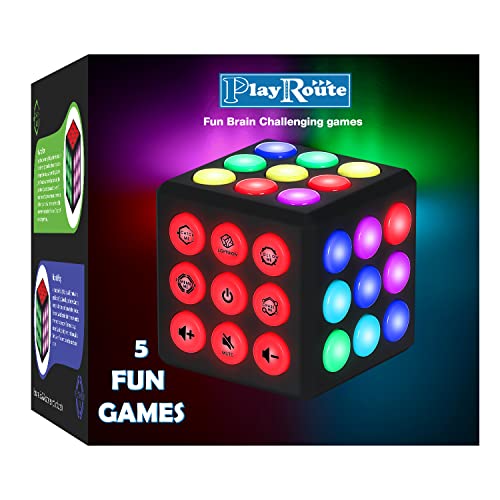
The PlayRoute Light Up Cube offers five different games focused on light, memory, and attention. This handheld device provides portable brain training ideal for travel or quiet time at home. Designed for ages 6 and up, the cube emphasizes remember-and-follow activities that challenge players to notice patterns and reproduce sequences. The compact, kid-friendly design keeps sessions short but impactful, helping kids practice concentration in an engaging format. The included games also position the toy as a family-friendly gift for the holiday season or birthdays.
Dan&Darci Human Anatomy Squishy Body Model

This hands-on anatomy kit invites kids to take apart 30 removable body parts, including the brain and heart, then reassemble the model. The kit combines tactile exploration with a guided learning path, encouraging curiosity about how the human body works. The accompanying guide features kid-friendly facts and interactive challenges, supporting science literacy and memory through practical experimentation. It’s a compelling pick for kids who enjoy exploring, building, and asking questions about biology and health.
Xinbeiya Rechargeable Brain Cube

The Xinbeiya game cube brings together speed, memory, and creativity games, offering a trio of play modes and a score screen for progression tracking. Designed for ages 6–12, it supports focus and reaction time while introducing challenges that can be played solo or competitively with peers. The device provides a compact, screen-free option that keeps kids engaged, fosters healthy competition, and strengthens cognitive flexibility through escalating levels of difficulty.
Logical Road Builder STEM Puzzle

Logic-focused and Montessori-inspired, this road-building puzzle requires kids to lay out a continuous route for a marble-delivery car. With over 200 challenges and two PK cars, it scales across skill levels to keep children engaged. The activity emphasizes reasoning, planning, and color recognition while encouraging family participation. Parents can monitor progress as children tackle new levels, building persistence and problem-solving abilities in a tangible, non-digital format.
V-Opitos Color Matching Puzzle

This color-matching handheld puzzle is designed for travel and everyday use, featuring 12 double-sided cards with 24 color-based patterns. Kids move pieces to replicate patterns, reinforcing color recognition and logical thinking. The compact board is easy to carry for car rides or waiting rooms, making it a practical option for building concentration and fine motor skills on the go. It also serves as a gentle way to introduce early problem-solving concepts.
IQ BUILDER STEM Learning Toys
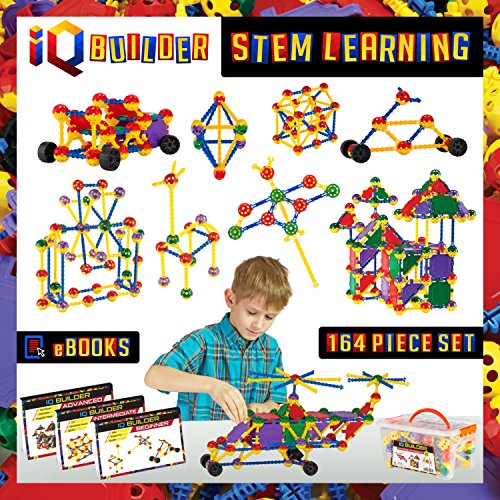
The IQ BUILDER kit emphasizes STEM learning through creative construction and engineering challenges. Marketed for ages 3–10, the set supports critical thinking, problem solving, and spatial reasoning as kids build and test structures. Teachers and caregivers note its value in classroom and home settings for steady cognitive development, with an emphasis on hands-on experimentation and iterative design. It serves as a strong option for kids who enjoy building and tinkering.
Kids Montessori Magnetic Wooden Toys

Montessori-style wooden magnets offer color-matching and pattern-building activities that support fine motor development and color recognition. Each puzzle uses a magnetic pen and colored pieces to encourage precise hand movements and careful thought as children match cards to on-board patterns. The durable wooden design makes this a long-lasting option suitable for travel, classroom activities, and home play, with benefits for visual-spatial skills and concentration.
Buying Guide: Key Purchase Considerations
- Learning goals: Choose toys that target memory, problem solving, and logical reasoning to support broader cognitive development tailored to 6-year-olds.
- Type of engagement: Prefer a mix of screen-free, hands-on experiences and occasional digital elements to maintain attention without overreliance on screens.
- Durability and safety: Opt for sturdy construction with non-toxic materials and age-appropriate difficulty to sustain long-term use and safe play.
- Portability: Travel-friendly options help keep kids engaged during car rides or visits, reducing screen time with offline challenges.
- Progression and variability: Toys with multiple levels or modes keep children motivated as skills grow, preventing plateauing.
- Social play: Some items support cooperative or competitive play, which can encourage communication, turn-taking, and collaboration.
- Balance with other activities: Integrate brain toys with reading, physical play, and creative arts for a well-rounded development plan.
When selecting a brain toy, consider the child’s interests, current skill level, and the learning outcomes you want to emphasize. The listed options offer diverse approaches—from physical puzzles to science kits and memory-based handheld devices—helping six-year-olds develop attention, memory, reasoning, and fine motor skills in an engaging, age-appropriate way.