Best Coding Toys for Tweens That Build Real STEM Skills
Choosing the right coding toys for tweens can boost problem-solving, creativity, and interest in science, technology, engineering, and math. The following selections are designed to blend hands-on play with fundamental programming concepts, offering both screen-free and screen-assisted options. Each pick targets beginner-to-intermediate coders aged roughly 8–12, with clear instructions and age-appropriate challenges.
| Product | Brand | Key Focus |
|---|---|---|
| Teach Tech Mech 5, Mechanical Coding Robot | Snap Circuits | Mechanical coding, mission-based play |
| Botley the Coding Robot | Learning Resources | Screen-free coding, age-appropriate sequences |
| mBot Robot Kit | Makeblock | Scratch & Arduino, hands-on electronics |
| Robotics Smart Machines Junior Kit | Thames & Kosmos | Block-based coding, built-in play actions |
| Hacker Cybersecurity Game | ThinkFun | Logical thinking, programming principles |
Across these options, you’ll find a mix of screen-free experiences, app-assisted coding, and multi-mode play. Each product emphasizes foundational programming concepts, problem-solving, and hands-on engineering—key elements for cultivating lasting interest in STEM fields.
Teach Tech Mech 5, Mechanical Coding Robot
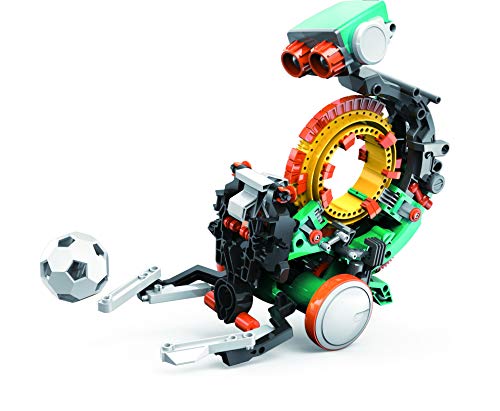
The Mech-5 stands out as a mechanical coding robot designed for entry-level learners. Students snap coding buttons onto a coding wheel to drive mission-based tasks like throwing, lifting, kicking, and drawing. The hands-on assembly encourages understanding of mechanical principles while introducing basic coding concepts in a tangible way. This kit emphasizes physical engineering actions, making it a compelling option for tweens who benefit from building before coding.
Botley the Coding Robot

Botley offers a screen-free coding experience ideal for younger tweens or beginners taking their first steps into programming logic. With 80-step programming potential, loops, and obstacle detection, Botley scales with growing skills. It’s ready to use out of the box and relies on a simple remote control approach, making it accessible for independent play and guided learning alike. This toy helps kids master sequencing, pattern recognition, and problem-solving without screens.
Makeblock mBot Robot Kit

The mBot kit targets kids ages 8–12 who want to explore electronics, robotics, and programming. It supports Scratch and Arduino, offering a clear progression from visual block-based coding to more advanced text-based coding. Easy-to-build instructions allow quick setup, followed by play modes like line-follow and obstacle avoidance. The kit’s tutorials and apps aid independent exploration, enabling students to design and test programmable projects with guided learning curves.
Thames & Kosmos Robotics Smart Machines Junior Kit

This kit introduces beginners to build-and-code play with a 9-inch tall robotic friend. It offers two pathways: screen-free play using built-in buttons and an optional app-based block coding experience. With up to 200 actions possible in the app, tweens can explore movement, lights, and sounds, balancing tactile assembly with logical sequencing. The dual-mode approach makes it suitable for varied learning environments and preferences.
Playz My First Coding & Computer Science Kit

Playz invites tweens into computer science through hands-on puzzle activities without a computer. The kit covers binary concepts, encryption, algorithms, and pixelation via physical components and a visual guide. It’s well-suited for learners who enjoy tangible, craft-like projects and want to grasp foundational CS ideas before diving into screen-based coding. The kit emphasizes creativity, critical thinking, and collaborative learning through interactive challenges.
Think Fun Hacker: Cybersecurity Coding Game

Hacker blends game play with core cybersecurity and programming principles. It’s designed to enhance reasoning, planning, and problem-solving, providing a stealthy learning experience as players work through challenges. This Think Fun title uses a tangible game grid and various tokens to simulate real-world logic problems, helping tweens internalize programming concepts in a competitive or cooperative setting.
PIVONAX STEM Robotics Kit
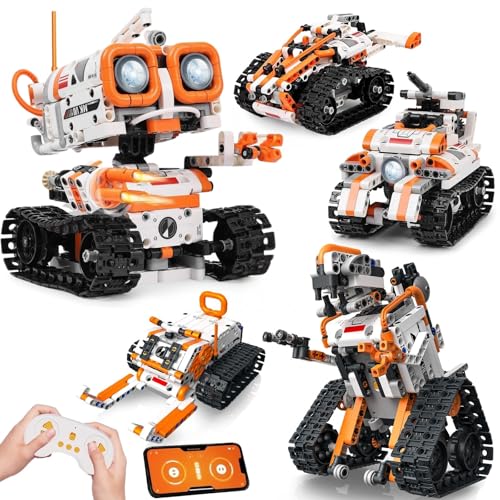
PIVONAX offers a 5-in-1 transformable design with more than 560 parts, enabling five unique modes like a machine gun robot, armored vehicle, cannon tank, snowmobile, and a mechanical dinosaur. It combines remote and app-based control, supporting both drag-and-drop programming and real-time experimentation. This kit fosters problem solving, engineering thinking, and structured exploration of mechanics, electronics, and coding in a multi-design format.
Buying Guide: Key Purchase Considerations
- Learning style: Screen-free options favor tactile, step-by-step reasoning, while app-assisted kits provide a pathway to more complex coding concepts. Consider the tween’s preferred approach and attention span.
- Progression and complexity: Look for kits that scale from basic sequencing to more advanced programming. Kits with clear growth paths help sustain interest over time.
- Durability and parts: Ensure parts are durable and safe for tweens. Build kits should withstand repeated assembly and disassembly with child-friendly instructions.
- Software compatibility: Some kits use Scratch, Blockly, or Arduino-based environments. Check for available tutorials, community support, and compatibility with existing devices.
- Educational value vs. entertainment: Aim for a balance where playtime also reinforces core principles like logic, loops, conditional statements, and problem-solving strategies.
- Age suitability: Verify the recommended age range and the complexity of tasks. Some kits are ideal for beginners, while others target more experienced young coders.
- Extensions and add-ons: Kits that offer expansions or additional projects can extend usefulness and keep engagement high as skills advance.
In summary, the five highlighted products provide a spectrum of learning experiences—from screen-free sequencing and problem-solving to text-based programming and robotics. The right mix depends on the tween’s interests, whether they’re drawn to mechanical assembly, game-based logic, or hands-on coding with apps.