Best Digital Pianos for Kids: Fun and Safe Options for Young Musicians
Choosing a kid-friendly digital piano blends sturdy design, engaging features, and age-appropriate learning tools. The selected products below emphasize durability, colorful interfaces, and educational play to foster early musical skills while keeping safety in mind. Each option offers 37 or more keys, built-in sounds or songs, and easy setup for family-friendly use.
| Product | Brand | Key Count | |
|---|---|---|---|
| ZIPPY Kids Piano Keyboard, 37 Keys Digital Piano for Kids (Walnut Basic) | ZIPPY | 37 | Sturdy MDF build with non-tipping bench |
| ZIPPY Kids Piano Keyboard, 37 Keys Digital Piano for Kids (Oak Basic) | ZIPPY | 37 | Solid design and easy assembly |
| ZIPPY Kids Piano Keyboard, 37 Keys Digital Piano for Kids (Oak Plus) | ZIPPY | 37 | Touch-sensitive control with built-in songs |
| PYLE Digital Piano Kids Keyboard – 61 Key | Pyle | 61 | Portable with drum pad and recording |
ZIPPY 37-Key Walnut Kids Piano
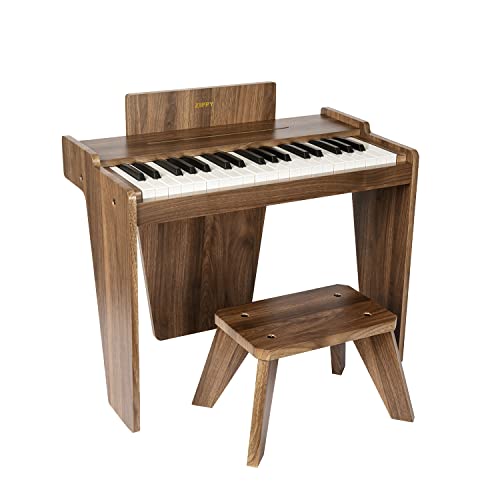
The ZIPPY 37-key Walnut Basic model offers three full octaves to introduce young players to music. The keys are electronically tuned to provide a stable, consistent playing experience without manual tuning. With a sturdy MDF construction and a non-tipping bench, the setup promotes safe, comfortable play for children aged 3 and up. Assembly is straightforward for families, encouraging parental involvement in early music education.
ZIPPY 37-Key Oak Basic Kids Piano

This Oak Basic model mirrors the Walnut option with durable MDF construction and a stable, non-tipping bench. Its 37 keys and electronically tuned sounds make it an ideal transition instrument for kids growing from beginner toys to full-size pianos. The product emphasizes easy assembly so families can quickly start musical exploration together.
ZIPPY 37-Key Oak Plus Kids Piano

The Oak Plus edition adds a touch-sensitive control panel for instrument changes, built-in songs, and recording features. This model also includes volume adjustment and one-key-one-note options, supporting progressive learning as a child’s familiarity with piano grows. The sturdy MDF build remains a core strength for durability and safety.
PYLE 61-Key Portable Digital Piano

With 61 keys, the Pyle keyboard provides more range for growing players. It features built-in full-range stereo speakers and a USB power option, plus a drum pad and recording capabilities. An AUX input allows external mics or devices to be connected, which can support interactive songs and performance practice. Its portable design makes it suitable for small spaces and travel.
Best Choice 61-Key Beginners Keyboard

This 61-key bundle includes lighted keys, an LCD screen, and teaching modes to guide beginners. The complete package includes a stand and stool, facilitating a classroom-like setup at home. It supports multiple timbres and rhythms, making it a practical choice for kids who want to explore different sounds while learning basic music theory.
WOSTOO 61-Key Kids Keyboard

The WOSTOO model emphasizes kid-friendly features like multiple tones and rhythms, a built-in microphone, and a rechargeable battery option for portable use. The design focuses on safe materials and edge-friendly construction, making it a practical option for early education and family entertainment. A detachable microphone supports singing along with play, appealing to collaborative musical activities.
JALOKEE 25-Key Oak Digital Piano
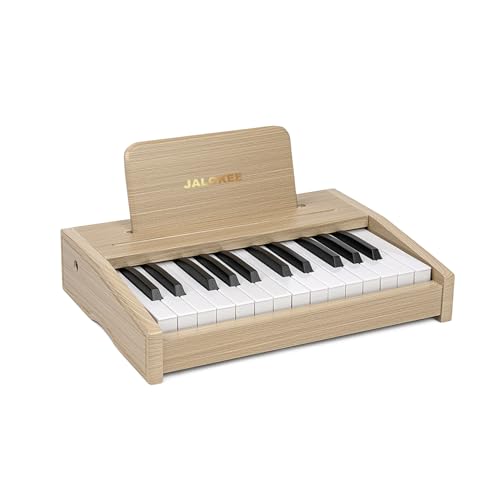
The JALOKEE 25-key Oak model offers a compact, kid-friendly introduction to music with durability and a wood feel. It includes a color-illustrated songbook and color-coded keyboard stickers to help children learn notes and timing. While smaller in size, it remains a solid option for beginners who want a tactile piano experience without overwhelming complexity.
Buying Guide
Key Considerations
Key count and range matter for developing players. Most options here provide 37 keys, which is a gentle introduction to scales and finger placement, while 61-key models offer more stretch for future expansion. Portability, safety features (rounded edges, sturdy stands), and ease of assembly are particularly important for households with young children.
Educational Features
Look for built-in songs, demo modes, and recording capabilities to encourage practice and self-assessment. Some models include volume controls, touch-sensitive keys, and one-key learning modes, which can help early learners stay engaged and progressively master basic music concepts.
Durability and Safety
Strong materials and non-tipping benches reduce accidents during play. MDF enclosures provide robust construction, but consider the overall weight and stability when choosing for a child who may push or lean during practice.
Power and Portability
Many kid pianos run on batteries or USB power, which is convenient for rooms without outlets or for travel. A corded option may be preferable for steady practice in a fixed space, while battery-powered models support spontaneous play in multiple settings.
Learning Path and Growth
Choose models that scale with a child’s progress. Basic 37-key boards are suitable for early stages, while 61-key keyboards or bundles with teaching modes and note stickers can ease the shift to a standard piano later on.
Sound and Playability
Electronic tuning and built-in voices provide consistent sound without frequent maintenance. Touch-sensitive controls, built-in rhythms, and recording capabilities can enhance engagement and provide structured learning experiences beyond simple play.