Best Drum Set Method Books for Beginners and Beyond
Exploring drum set method books helps players progress from basic rhythms to advanced coordination. The following selections cover beginner foundations, intermediate techniques, and practical play-along practice. Each title includes structured lessons, how-to guidance, and supplementary audio or video resources to reinforce concepts and improve timing, independence, and musicality.
| Product | Author/Brand | Key Focus |
|---|---|---|
| Alfred’s Beginners Drumset Method | Alfred Music | Actual beats, hi-hat, ride, snare, basics |
| The Drumset Musician – 2nd Edition | Hal Leonard | Fundamentals, beginner-friendly rock/pop/blues |
| Hal Leonard Drumset Method Book 2 | Hal Leonard | Intermediate technique, online audio/video |
| 4-Way Coordination: A Method Book | Alfred Music | Complete independence on drum set |
| Simple Songs: The Easiest Easy Drum Songbook Ever | Hal Leonard | Beginner-friendly songs, drum kit cues |
Alfred’s Beginners Drumset Method

The Alfred’s Beginners Drumset Method introduces beginners to playing an actual drumbeat from the start. It emphasizes essential components of the drum kit, including the hi-hat, ride cymbal, and snare, with clear progression and straightforward exercises. Readers build coordination while learning to interpret musical notation in a practical context, aligning technique with musical outcomes.
Key features focus on starting with real-world grooves, developing basic timing, and gradually layering parts to encourage confident playing. The structured approach helps students translate rudiments into complete beats, making it suitable for classroom settings or private study. The book also supports teachers and parents with progression cues and pacing suggestions.
The Drumset Musician – 2nd Edition

This beginner-focused title from Hal Leonard blends practical drumset instruction with accessible practice material. It covers the fundamentals of rhythm, coordination, and groove development, complemented by online audio that reinforces timing and groove execution. The 88-page format keeps concepts concise while offering a repository of beats representative of pop, rock, and blues styles.
Readers can expect clear demonstrations of how to coordinate limbs, read simple notation, and apply new skills in musical contexts. The inclusion of audio aids helps learners hear essential patterns, promoting steady progress and confidence in performance settings.
Hal Leonard Drumset Method Book 2
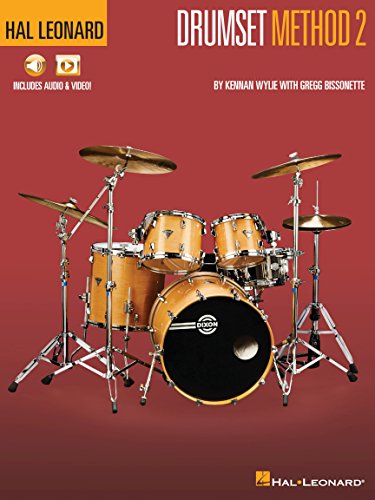
Hal Leonard’s Drumset Method Book 2 shifts to the intermediate level, introducing more complex rhythms, independence, and technique. The package includes online media with audio and video components that demonstrate tricky grooves and chart reading. Topics include funk, jazz, and more intricate groove contexts to broaden stylistic versatility.
The book emphasizes practical applications, including ghost notes, dynamic control, and reading charts. This aids players who seek a deeper understanding of groove construction and ensemble performance, building on foundational skills from beginner materials.
4-Way Coordination: A Method Book

4-Way Coordination focuses on developing complete independence on the drum set. Authored by Marvin Dahlgren and Elliot Fine, this method systematically challenges a player’s ability to coordinate all limbs through progressively difficult patterns. It’s widely used by students aiming to expand creativity and speed while maintaining accuracy across hands and feet.
The material translates into practical performance by encouraging hands-on experimentation with independence. It’s particularly useful for students who have mastered basic coordination and want to push into more elaborate fills and cross-sticking approaches, ensuring flexible approach to modern groove requirements.
Alfred’s Drum Method, Book 1

Alfred’s Drum Method, Book 1, is described as a comprehensive beginning snare drum method, offering foundational techniques and exercises suitable for early learners. While it centers on snare and stick control, it provides a stepping stone for broader drumset work when combined with other beginner resources. The book is often used in classrooms and private lessons to establish a solid rhythmic base and technique discipline.
Readers should consider pairing this with a full drumset method to transition smoothly from snare-focused work to full-kit performance, ensuring cohesive foundational skills across instruments and styles.
Simple Songs: The Easiest Easy Drum Songbook Ever

This song-focused collection by Hal Leonard provides 50 beginner-friendly rock songs with drum kit cues and lyrics. The pages are arranged to facilitate quick practice sessions, with straightforward grooves that reinforce timing and coordination. Song-based learning can help maintain motivation while steadily building repertoire and confidence on the drum set.
While primarily aimed at beginners, the book serves as a practical complement to method-focused titles. It helps learners apply what they’ve studied to familiar tunes, reinforcing groove creation and listener-oriented performance.
Buying Guide: Key Purchase Considerations
- Skill level alignment: Match the book to your current abilities and tempo goals. Beginners will benefit from titles like Alfred’s Beginners Drumset Method and The Drumset Musician, while intermediate players may prefer Hal Leonard’s Book 2 and 4-Way Coordination.
- Supplemental media: Look for online audio or video components that reinforce rhythm, timing, and groove. Audio aids help with internal tempo and subdivision recognition.
- Style coverage: Consider the genres most often played (rock, blues, funk, jazz) and select books that emphasize those grooves and chart-reading skills.
- Practice structure: Books with clear progression, exercises, and play-along tracks promote consistent improvement. A combination of method books and songbooks can support both technique and musical application.
- Teacher and classroom suitability: Some titles include progression guidelines or teacher notes—valuable for instructors. If learning solo, prioritize user-friendly explanations and practice routines.
- Durability and format: Paperbacks with clear notation and durable pages are practical for frequent use. Consider editions with online resources for extended practice opportunities.
The selected titles collectively address core competencies: hand-foot coordination, independence, rhythm accuracy, chart reading, and groove development. They accommodate different learning paths, whether a learner is pursuing structured method growth, repertoire building, or a blend of both for ensemble performance.