Best Exercise Cards for Kids: Fun, Safe, and Active Learning Tools
Discover engaging exercise cards that help kids stay active, develop coordination, balance, and strength without screens. This guide highlights five top options, covering classroom PE, home workouts, and therapeutic use. Each choice supports active play, simple instructions, and portable formats for indoor or outdoor use.
| Product | Brand | Key Benefit | Link |
|---|---|---|---|
| Kleintober Workout Cards for Kids & Teens | Kleintober | 30 fun exercises with certificates to motivate fitness | Amazon |
| Covelico Exercise Cards for Kids | Covelico | Flexible solo or group play with 52 cards and game ideas | Amazon |
| FitDeck Kids Exercise Playing Cards | FitDeck | 50 unique cards for guided, equipment-free workouts | Amazon |
| Fast Fit Hero Mode Workout Cards | QUOKKA | 120 tear-resistant HIIT cards for full-body sessions | Amazon |
| Calm and Joyful Kids Yoga Cards | Calm and Joyful Kids | Yoga poses and mindful activities for emotions and focus | Amazon |
Note: This guide presents objective features and use cases to help parents, teachers, and therapists compare options for kids’ exercise and mindfulness activities.
Kleintober Workout Cards For Kids

Kleintober’s workout cards are designed to boost coordination, balance, and strength with 30 engaging exercises. The set positions fitness as an active, screen-free activity suitable for home, school, or on the go. A completed workout earns a personalized certificate, turning exercise into a rewarding game and building confidence through active play.
Key features include: 30 exercise cards for kids and teens; certificates as rewards; versatile use indoors or outdoors. This kit acts as a foundational fitness tool for physical education and family activity routines, emphasizing motivation and tangible progress.
Covelico Exercise Cards For Kids
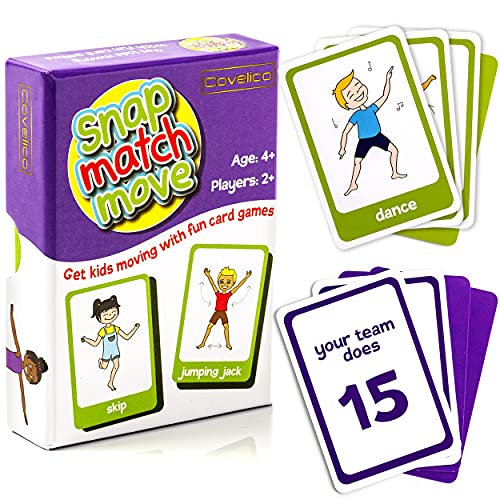
Covelico’s set offers 40 active cards plus additional game ideas, designed for both solo and group play. It supports classroom PE, recess, and home workouts by transforming moves into engaging activities like Snap, Memory Matching, and Go Fish. The 52-card set includes exercise cards, reps/time cards, and game ideas to keep routines varied and fun.
Benefits highlighted include: versatility for indoor or outdoor use; adaptable for different group sizes; development of balance, coordination, and gross motor skills through playful movement. It’s a practical option for teachers and caregivers seeking modular activity formats.
FitDeck Kids Exercise Playing Cards

FitDeck provides 50 unique playing cards depicting different exercises, designed for active play without equipment. The deck supports guided workouts and can be used for individual challenges or group sessions, making it suitable for classrooms, after-school programs, or family fitness time.
Highlights include: equipment-free activities; simple card-based prompts for quick sessions; kid-friendly visuals to encourage participation and consistency in movement.
Fast Fit Hero Mode Workout Cards

QUOKKA’s Fast Fit Hero Mode deck contains 120 tear-resistant cards for HIIT-style, full-body workouts that require no equipment. The simple “flip a card, do the move” system makes it easy to customize sessions by time, space, or fitness level. It is designed for home use, travel, and quick sessions between daily activities.
Suitable for: readers who want varied routines without setup; those seeking portable, durable workout prompts; and environments where space is limited or multiple participants are involved.
Calm And Joyful Kids Yoga Cards

Calm and Joyful Kids offers yoga pose cards designed to support mindfulness, sensory play, and self-regulation. The set emphasizes emotional regulation and focus through guided poses, making it helpful for classrooms, therapy sessions, and home routines. It also aligns with SEL goals and can be integrated into calming corners or transition activities.
Key aspects include: 32 illustrated poses with guided instructions; supports mindfulness and emotional regulation; suitable for a wide range of ages and abilities, including children with special needs.
Buying Guide: Key Purchase Considerations
- Age range and developmental goals: Match cards to a child’s motor skills, attention span, and whether the aim is cardio, balance, or mindfulness.
- Format and durability: Consider tear-resistant materials for frequent handling, and whether the deck works well for solo play, group activities, or therapy settings.
- Versatility: Look for sets that support different formats—indoor/outdoor use, classroom PE, home workouts, and integration with music or games.
- Progress tracking: Some decks include certificates or reward systems that help motivate ongoing participation and confidence building.
- Ease of use: Cards should have clear images or illustrations, simple steps, and minimal setup to maximize active time.
- Therapeutic and SEL alignment: If applying in a school or clinical setting, select decks that emphasize mindfulness, emotional regulation, and self-management skills.
- Group dynamics: For classrooms, choose sets with multiple game ideas or group formats to accommodate different class sizes and activity levels.
- Maintenance and storage: Consider compact sizes and organized storage options to keep cards readily accessible between activities.