Best First Bike for 1 Year Old: Safe, Fun Balance Bikes for Toddlers
Choosing the right first bike for a 12- to 24-month-old centers on safety, stability, and gentle skill-building. Balance bikes without pedals help toddlers learn balance, steering, and confidence while staying close to the ground. The following selections emphasize sturdy frames, wide wheels, and kid-friendly design features such as 135-degree steering limits and fully enclosed wheels. This guide highlights five suitable options from reputable brands to help parents find a ride-on toy that supports early mobility and developing motor skills.
| Product | Brand | Ages | Key Feature |
|---|---|---|---|
| SEREED Baby Balance Bike (Green) | SEREED | 12-24 months | Aluminum frame, 4 wheels, safe with no pedals; indoor/outdoor use |
| SEREED Baby Balance Bike (Blue New) | SEREED | 12-24 months | Lightweight construction, 135° turning limit, gravity steering |
| Retrospec Cricket Balance Bike | Retrospec | 12-24 months | Scratch-resistant wheels, safe design for early walkers |
| Umatoll Colorful Lighting Balance Bike | Umatoll | 12-24 months | Colorful glow rear wheel, adjustable seat, enclosed wheels |
| WETIFY Colorful Lighting Balance Bike | WETIFY | 10-36 months | Rear glow wheel, no batteries needed, safety-focused |
SEREED Green Balance Bike for Toddlers
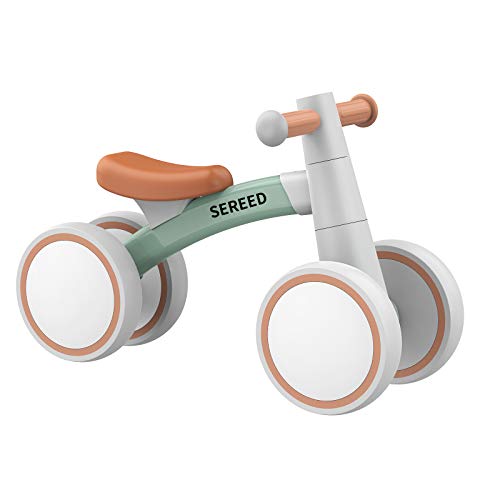
The SEREED Green Balance Bike is designed to support 12- to 24-month-olds learning to walk and ride. It emphasizes a sturdy aluminum alloy frame, a soft seat, and non-slip TPU handlebars. With no pedals and fully widened closed wheels, the design protects little feet while encouraging balance and coordination. The 135-degree turning limit and gravity steering help prevent falls, enabling safe exploration both indoors and outdoors.
SEREED Blue First Bike For Toddlers

Another SEREED option targets the same age range with similar features: a four-wheel design, pedal-free operation, and a robust aluminum frame. It focuses on developing balance, steering, and confidence before transitioning to a pedal bike. The wheel design minimizes the risk of foot clamping and supports smooth riding on varied surfaces, making it a solid introductory ride for toddlers.
Retrospec Cricket Balance Bike
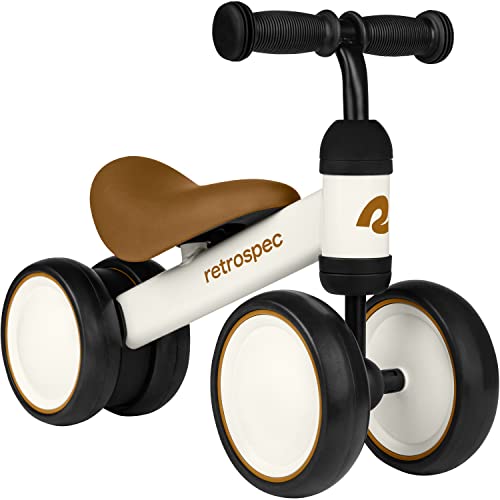
The Retrospec Cricket balance bike is tailored for toddlers aged 12-24 months, offering a beginner-friendly design that keeps feet on the ground. It emphasizes safe, durable construction with scratch-resistant wheels to protect home floors and expand the riding experience to various spaces. This option supports early motor skill development while keeping balance learning approachable for very young riders.
Umatoll Glow Rear Wheel Balance Bike

The Umatoll balance bike features glow rear wheels that light up as the child spins, adding an engaging visual element to early riding. It includes an adjustable seat to fit growing toddlers and fully enclosed wheels to prevent feet from getting pinched. A 135-degree steering limiter helps maintain balance and reduce the chance of tipping during early attempts at turning.
WETIFY Colorful Lighting Balance Bike

The WETIFY balance bike emphasizes a colorful lighting rear wheel that activates with wheel motion, offering visual appeal without the need for batteries. It is designed for ages 10-36 months, featuring a safe, pedal-free configuration and 135-degree steering limits. The no-sharp-parts design, enclosed wheels, and cushioned seat contribute to a safer learning environment for toddlers exploring their first rides.
Buying Guide: Key Purchase Considerations
When selecting a first bike for a 12- to 24-month-old, parents should evaluate stability, safety features, and future usability. Key considerations include wheel design, overall weight, adjustable seating, and a frame that supports early balance without encouraging speed. How a bike protects tiny feet—through enclosed wheels and wide, low-profile frames—can significantly impact a child’s willingness to explore. Consider bikes with 135-degree steering limits to reduce tipping risk, and those with non-slip handles and soft seating for comfort during longer play sessions.
Safety and Build Quality
Durable frames and non-slip wheels reduce the chance of slips on smooth floors or outdoor surfaces. Look for four-wheel designs that keep the rider stable and low to the ground. Enclosed wheels help prevent foot injuries, while soft seats improve comfort for small riders learning to balance.
Adjustability and Longevity
Seat height should be adjustable to accommodate growing toddlers. A bike that scales from 12 months up to 24 months—potentially longer with careful use—offers better value by remaining usable as skills develop. Ensure the assembly is straightforward, and wheels are designed to resist wear on different surfaces.
Engagement and Learning Outcomes
Colorful lighting or glow wheels can boost interest and persistence in practice. However, the main learning outcomes should remain balance, steering, and confidence. A balance bike that emphasizes safe speed control and controlled turning supports early motor skill growth without encouraging risky riding.
Price, Availability, and Brand Trust
Choosing well-known brands with accessible customer support can reduce post-purchase concerns. While price is a factor, prioritize safety features and adjustability. Availability on major retailers and return policies should also be considered to deal with fit and safety concerns as your child grows.