Best Fun Clocks for Kids That Make Telling Time Easy
Finding clocks that engage children while teaching them to tell time can boost daily routines and classroom learning. The following five kids’ clocks blend colorful designs, quiet operation, and clear time-telling cues to support early time literacy. Each option emphasizes readability, classroom use, and kid-friendly features to reduce confusion and distractions.
style=”display:none;”>Summary Table
| Product | Brand | Key Benefit | Typical Use |
|---|---|---|---|
| Oyster&Pop Learning Clock for Kids | Oyster&Pop | Labelled minutes and quarters; silent | Classroom or bedroom |
| Mabpedo Colorful Teaching Wall Clock | Mabpedo | Color-coded numerals and obvious time phrases | Classroom or homeschool |
| MikoDream Kids Alarm Clock | MikoDream | Dual alarms with playful emoji interactions | Kids’ desks and nightstands |
| Roymnie Wall Clock for Kids Learning | Roymnie | Colorful, easy-to-read analog display | Bedroom or classroom |
| DreamSky Small Digital Alarm Clock | DreamSky | Large digits, adjustable brightness, loud alarm | Kids’ rooms or dorms |
Oyster&Pop Learning Clock For Kids

The Oyster&Pop 10-inch analog clock is designed by educators and parents to simplify time-telling for children. Its labeled minute hands and quarter-hour marks help kids identify important time milestones at a glance. The clock uses a kid-friendly acrylic face and operates quietly, reducing classroom and bedtime distractions. A free e-book accompanying the clock offers engaging activities to build confidence with analog time, making it a strong choice for both classrooms and bedrooms.
With a non-ticking movement and a bright, rainbow design, this clock converts time-telling into a visual and interactive experience. The absence of noise supports focus during study and sleep. It requires one AA battery, balancing simplicity with reliable, long-lasting use in busy learning spaces. Parents and teachers can leverage its clear labeling to reinforce daily routines and classroom lessons about minutes, quarters, and the hour.
Mabpedo Colorful Teaching Wall Clock
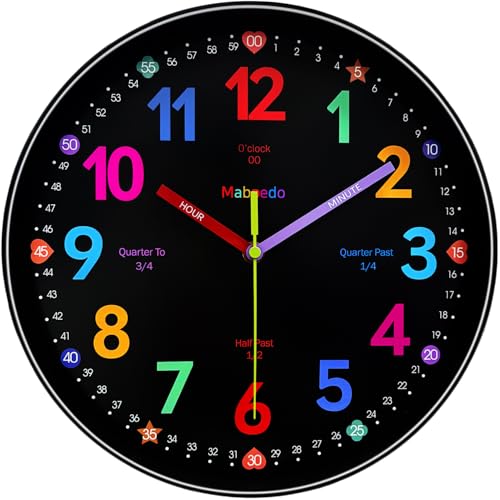
This 8-inch Mabpedo clock is designed to turn time-telling into a colorful, memorable activity. It uses color-coded numerals and phrases like “0 o’clock,” “Quarter Past,” and “Half Past” to visually demonstrate common time concepts. The distinct red hour, purple minute, and yellow second hands help students discern movement and changes in time. Suitable for homeschool settings, classrooms, and kids’ bedrooms, it supports both instruction and decoration while staying child-friendly.
The clock runs on a battery, eliminating cords and clutter. Its silent operation minimizes classroom noise and bedroom disturbances, making it a practical option for study areas and sleep spaces. This clock emphasizes readability and engagement, turning routine time checks into interactive moments for learners at different stages of time-telling proficiency.
MikoDream Kids Alarm Clock
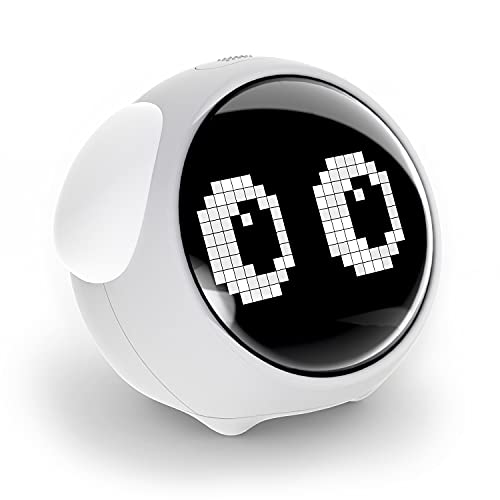
The MikoDream alarm clock is a playful option with dual alarms and user-friendly controls. It supports two separate wake times and offers five ringtones with adjustable volumes, making it a practical tool for families with varied schedules. The clock’s face features emoji-style expressions for a relatable wake-up experience, fostering positive interaction with children during morning routines. This clock is ideal for desks, nightstands, and small learning corners in homes or classrooms.
Advanced features include adjustable brightness and a kid-oriented design that emphasizes ease of use. While the device is primarily an alarm clock, the engaging visuals and customizable alerts help children transition from sleeping to waking more smoothly. It combines functionality with a fun, approachable interface that supports independent morning routines and time awareness.
Roymnie Wall Clock For Kids Learning

Roymnie’s 8-inch analog clock for kids is crafted to aid reading and comprehension. Each hour is color-coded and clearly labeled with minute marks, helping learners connect time concepts with visual cues. The design supports both classroom instruction and home practice, providing a compact, durable option that fits bedrooms or small learning nooks. Its colorful face and straightforward layout encourage frequent reference to the time across activities and routines.
Non-ticking movement and battery operation provide silent performance, reducing distractions during study or sleep. The clock’s size is convenient for small hands and desks, while still delivering a readable display for teachers and parents guiding kids through time-telling steps.
DreamSky Small Digital Alarm Clock

The DreamSky digital alarm clock features large two-and-a-half-inch LED digits designed for easy viewing from across the room. It offers RGB color patterns and adjustable brightness across five levels plus an off option, making it suitable for various lighting preferences in kids’ rooms. The alarm is notably loud, with five levels of volume to accommodate heavy sleepers and transitioning children. Its USB-C powered setup provides convenient charging and modernization for desks and nightstands.
While digital, the display focuses on legibility and straightforward interaction. The dimmable brightness and robust alarm options support independent use, reducing reliance on parental guidance for morning routines. This clock is valuable for visual learners who benefit from clear numeric displays and bright, easily distinguished digits.
Buying Guide: Key Purchase Considerations for Kids’ Clocks
- Display Type: Analog clocks support traditional time-telling skills, while digital clocks offer quick readability. For beginners, analog models with labeled minutes and quarters can reinforce concept development.
- Readability: Large numerals, color-coded hours, and clearly labeled phrases (like “Quarter Past” or “Half Past”) improve comprehension. Consider face size and hand contrast against the background for visibility.
- Noise Level: Silent or non-ticking clocks minimize classroom and sleep disturbances. If a ticking clock is preferred, quieter mechanisms can be a compromise for sensitive environments.
- Power and Placement: Battery-operated clocks avoid cords and allow flexible placement in bedrooms and classrooms. Ensure batteries are easy to replace and available locally.
- Learning Aids: Some clocks include supplementary resources (like free e-books or lesson ideas) to reinforce concepts beyond the display. These can enhance home and school routines.
- Durability and Size: Choose a size appropriate for the child’s hands and the room setting. Durable builds withstand daily handling by kids and learners in classroom settings.
- Engagement Features: Interactive elements (emojis, color schemes, or decorative themes) can increase motivation and reduce resistance when practicing time-telling.
- Adaptability: Consider whether the clock supports gradual progression from basic time-telling to more advanced concepts, such as reading minute increments or calculating elapsed time.
- Maintenance: Look for clocks with straightforward maintenance—easy battery changes, simple cleaning, and minimal components that could misalign hands.
- Safety: Ensure designs avoid sharp edges and use child-safe materials suitable for rooms and desks where kids spend time.