Best Games for 7 Year Olds: Fun, Safe and Engaging Activities for Kids
Finding the right games for 7-year-olds means balancing imagination, learning, and active play. The selections below cover a mix of memory challenges, word play, strategy, and physical activity—ideal for family game nights, travel, and classroom fun. Each title is chosen for kid-friendly rules, engaging components, and broad appeal for ages around seven to pre-teen. Explore how these games can boost memory, focus, language skills, and healthy competition in a safe, entertaining way.
Summary of chosen products:
| Product | Brand | Key Benefit |
|---|---|---|
| The Floor Is Lava! Game | Goliath | Active, imaginative play for families |
| Scrabble Junior Board Game | Hasbro Gaming | Word building and early literacy skills |
| Trouble Board Game | Hasbro | Easy-to-learn family fun with quick rounds |
| Sorry! Board Game | Hasbro Gaming | Classic race-to-the-home strategy with light luck |
| Memory Game for Kids | Imagineers | Memory challenge with lights and sounds |
The Floor Is Lava! Interactive Family Game

The Floor Is Lava! game invites kids and adults to convert any floor surface into a playful obstacle course. This active game encourages physical activity, imaginative problem-solving, and group participation—perfect for family gatherings, birthday parties, or a casual game night. Suitable for two or more players, it supports ages 5 through 105, making it a flexible option for mixed-age households. Expect plenty of laughter as players leap from couch cushions to safe surface markers while following light-hearted challenges.
Scrabble Junior Board Game

Hasbro Gaming Scrabble Junior introduces kids to word-building with kid-friendly components and engaging tokens for scorekeeping. This edition adapts classic Scrabble to younger players, helping children develop vocabulary and spelling through playful competition. It’s a solid classroom or family game that emphasizes quick turns and collaborative learning, while still offering a fun competitive edge as players race to form words and earn points.
Trouble Board Game
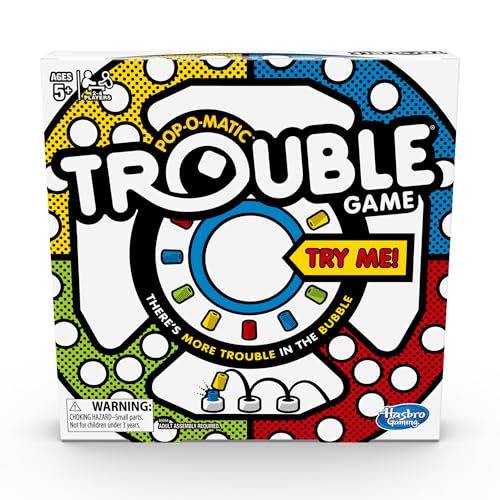
Hasbro Trouble brings a classic feel with a simple objective: be the first to get all your pieces around the board. The game is quick to learn and quick to play, making it ideal for younger players who are still mastering turn-taking. Optional Power Up Spaces add a twist for more challenging play. It combines light strategy with luck, offering a balanced, family-friendly experience that’s easy to repeat without fatigue.
Sorry! Board Game
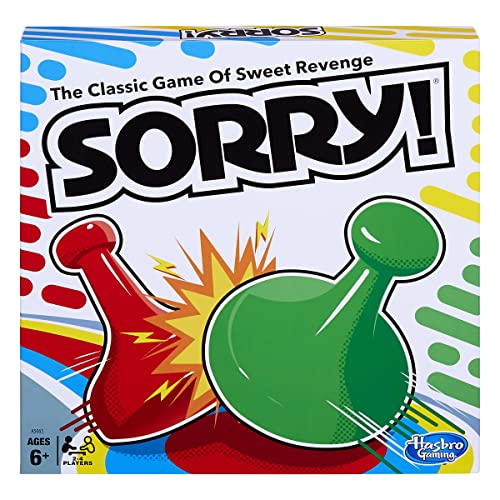
Sorry! offers a lighthearted, strategic race to the home space. Players can deploy “sweet revenge” by sending opponents’ pawns back to the start, adding a playful competitive layer. The game supports multiple paths to victory, with card-driven movement and opportunities to alter the board’s dynamics through strategy and luck. It’s a dependable family favorite that adapts to group size and pacing preferences.
Memory Game For Kids

This memory-focused game from Imagineers challenges kids with lights, sounds, and patterned sequences. Players observe, remember, and replicate increasingly complex patterns, boosting concentration, visual memory, and cognitive flexibility. The compact design makes it ideal for travel and small play spaces, while the multi-player mode keeps group engagement high for parties or family time.
Buying Guide: Key Purchase Considerations And Comparisons
When selecting games for 7-year-olds, consider skill development, playing time, and family dynamics. Short game cycles keep attention, while varied mechanics build different cognitive skills. Here are practical considerations to help compare options:
- Age appropriateness and safety: Ensure components are kid-friendly, with no small parts that pose choking hazards. Look for explicit age recommendations in product descriptions.
- Learning outcomes: Choose games that reinforce literacy (Scrabble Junior), memory (Memory Game), strategic thinking (Sorry!, Trouble), or physical activity (The Floor Is Lava!).
- Play duration: For younger players, prefer games with 15–30 minute rounds to maintain engagement without fatigue.
- Player count and adaptability: Some titles scale well from 2 players up to larger groups, while others are best for small gatherings. Consider your typical play group.
- Portability and storage: Travel-friendly or compact games are ideal for road trips and school routines. Check box size and setup requirements.
- Replay value: Look for variations in gameplay (like Power Up Spaces) or multiple modes to extend the game’s lifespan beyond a single session.
- Educational balance: If education is a goal, prioritize word and memory games that integrate skill-building with fun.
- Budget and availability: While not mentioning prices, assess which titles are commonly stocked and accessible for ongoing use.
Altogether, a well-rounded 7-year-old game set blends physical activity, word play, memory challenges, and light strategy. The products above provide diverse experiences—from active, movement-based play to quiet, cognitive tasks—supporting a spectrum of interests and attention spans. Parents and guardians can rotate titles to match mood, space, and the desired developmental target, ensuring enjoyable, educational, and safe adventures for kids around age seven.