Best Guitar Strings for Every Player: Bright Tones and Smooth Playability
Choosing the right guitar strings can dramatically affect tone, tension, and feel across genres. This guide highlights five reliable options spanning acoustic, electric, and hybrid needs, helping players find bright, balanced, and durable sounds for practice, stage, and studio. Each pick emphasizes core qualities like longevity, projection, and comfortable playability to suit a wide American audience of beginners, enthusiasts, and pros.
| Product | Brand | Type | Gauge | Notes |
|---|---|---|---|---|
| D’Addario EJ11 | D’Addario | Acoustic Bronze | Light 12-53 | Bright, crisp projection |
| Elixir 80/20 Bronze | Elixir | Acoustic Bronze NANOWEB | Light 12-53 | Longest-lasting tone |
| Ernie Ball Regular Slinky | Ernie Ball | Electric Nickel Wound | 10-46 | Classic feel, long life |
| Ernie Ball Earthwood | Ernie Ball | Acoustic Bronze | 80/20 Bronze 10-50 | Bright, easy playability |
| Havendi Acoustic Strings | Havendi | Phosphor Bronze | Light unknown | Coated for durability |
Note: All selections listed are commonly available in standard sets that suit a wide range of playing styles. The focus here is on reliability, tone quality, and comfort across acoustics and electrics.
D’Addario EJ11 Acoustic Strings – 12-53 Light Gauge
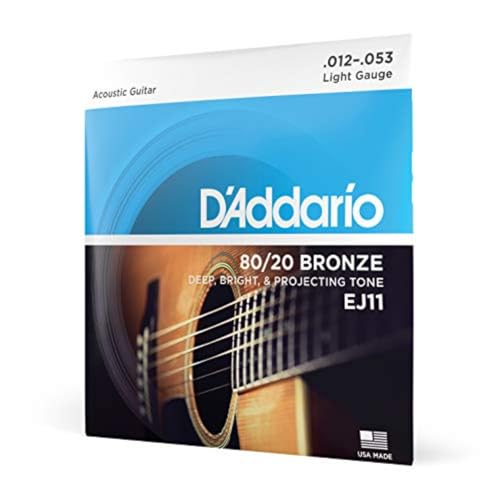
D’Addario EJ11 strings are precision wound over a hexagonal high-carbon steel core, delivering a bold, bright acoustic voice with crisp projection. These 80/20 bronze strings embody the original acoustic tone crafted by John D’Addario Sr., offering traditional brightness and midrange presence suitable for strumming and flat-picking. The gauge is light, easing finger pressure for beginners and players aiming for expressive dynamics. Built to stay true over time, these strings balance longevity with classic acoustic sparkle.
Elixir 80/20 Bronze Acoustic with NANOWEB

Elixir’s 80/20 Bronze acoustic strings use NANOWEB coating to extend tone life while preserving brightness. The NANOWEB layer shields the winding and core from sweat and humidity, helping the string keep its lively top-end and projection longer than standard bronze sets. Musicians praise stability across sessions, with a smooth feel that minimizes finger noise. The long-lasting bright tone makes these ideal for players performing live or recording, especially when a focused, cutting acoustic voice is desired.
Ernie Ball Regular Slinky Electric Strings – 10-46

Ernie Ball Slinkys are a benchmark for electric guitar strings, known for their expressive versatility across genres. The 10-46 gauge is a standard choice for many players, offering a balanced feel and dependable intonation. The modern packaging, labeled Element Shield, helps preserve string life and keeps the windings as fresh as the day they were made. These strings are favored by countless professionals for reliable tone, smooth playability, and extended life across a wide range of playing styles.
Ernie Ball Earthwood Extra Light Acoustic – 10-50

Earthwood Extra Light combines classic 80/20 bronze winding with a lightweight feel, making it easier for beginners and players seeking reduced tension without losing brightness. The wound strings use a blend of copper and zinc over a high-carbon steel core, delivering clear articulation, strong projection, and easy finger movement. This set is well-suited for practice sessions and players who prefer smoother playability across the fretboard while maintaining a lively acoustic voice.
Havendi Acoustic Strings with Phosphor Bronze Coating

Havendi strings emphasize brilliant sound quality with a phosphor bronze coating that boosts durability and rust resistance. The coated design reduces finger noise and maintains a bright, clear tone across sessions. These strings are described as offering an unmatched playing experience with smooth, comfortable feel, potentially beneficial for beginners and players who value consistent brightness and longevity in their acoustic setup.
Buying Guide
Key considerations when choosing guitar strings include instrument type, tone goals, and playing style. Acoustic sets vary by bronze composition (80/20 vs phosphor bronze) and winding, influencing brightness, warmth, and projection. Coated options extend tone life but may feel different under fingers compared with uncoated strings. Electric sets commonly use nickel alloys for balanced output and long life; gauge selection (light, regular, medium) affects playability and tension. For nylon-string players, nylon-core sets deliver a warmer, mellower tone with distinct playing feel.
Durability and longevity are important for performance reliability. Brands like Elixir and Ernie Ball emphasize coatings and packaging that preserve tone and reduce corrosion. If you play live, consider brighter, more focused tones (often lighter gauges with bright winding) to cut through the mix. For recording, a consistent, controllable attack with minimal sustain variability can help track multiple takes smoothly.
Strings also interact with your guitar’s setup. Heavier gauges require more tension and can alter neck relief, while lighter gauges reduce tension but may produce less volume. Beginners often start with light gauges for easier fretting, then experiment as technique improves. Finally, consider maintenance habits: wiping strings after playing, occasional cleaning of the fretboard, and a periodical setup check will maximize tone stability and string life.