Best Hand Drums for Beginners: Easy Start With Fun, Portable Instruments
Kick off a musical journey with approachable hand drums designed for beginners. This guide highlights five beginner-friendly options—from simple hand drums and djembe accents to versatile steel tongue drums—that develop rhythm, coordination, and musical confidence. Each pick comes with practical features for learning at home, classrooms, or camps. Explore why these options suit new players, how they sound, and what to consider when buying a first hand drum set.
Buying snapshot — the following table offers a quick reference to the five featured products, focusing on brand and core purpose to help you compare at a glance.
| Product | Brand | Purpose |
|---|---|---|
| Hand Drums for Beginners: An Easy Beginning Method | Alfred Music | Beginner instruction book for hand drumming |
| Ultimate Beginner Have Fun Playing Hand Drums for Bongo, Conga and Djembe | Alfred Music | Book and online audio for starting hand drumming |
| HOPWELL Steel Tongue Drum – 15 Note 12 Inch | HOPWELL | Beginner-friendly hand pan drum with extra notes |
| HOPWELL Steel Tongue Drum – 13 Inches 15 Notes | HOPWELL | Versatile D Major tongue drum for learning melodies |
| Mini Wood Djembe Drum, 4.5” | GOGHOST | Small, authentic djembe for beginners |
Hand Drums for Beginners: An Easy Beginning Method

The book by Alfred Music is designed as a straightforward starting point for new players. It offers clear steps, basic rhythms, and essential drumming techniques that help novices build confidence quickly. Suitable for classroom use or self-study, the guide emphasizes practical application and steady progression from simple patterns to more complex grooves. Readers can expect structured practice routines, illustrated examples, and a focus on foundational timing and hand coordination.
Ultimate Beginner Have Fun Playing Hand Drums for Bongo, Conga and Djembe
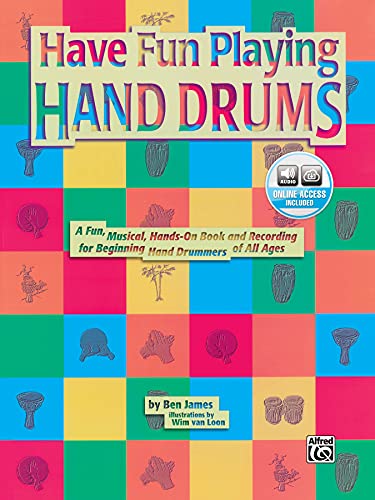
This beginner-focused book is part of a series that combines instruction with online audio to enhance practice. It covers the basics of multiple hand drums, including bongos, congas, and djembes, making it suitable for learners who want a well-rounded start. The format blends printed material with digital resources, enabling learners to hear correct rhythms, accents, and tempo variations as they develop coordination and groove. The content supports both solo practice and group percussion sessions.
HOPWELL Steel Tongue Drum – 15 Note 12 Inch

The Hopwell 15-note tongue drum expands the beginner’s toolkit with a wider tonal range in a D major layout. It provides rich, ethereal tones that are easy to learn and pleasing to listen to, encouraging immediate playability. Built with quality materials and a durable finish, this drum is designed for beginners seeking fuller melodies without complicated setups. The included music book, mallets, and carry bag support portability and steady practice routines at home or on the go.
HOPWELL Steel Tongue Drum – 13 Inches 15 Notes

This 13-inch model offers a similar 15-note range in D major, designed for both beginners and more experienced players. The longer scale allows for smoother melodic lines and more complex arrangements while maintaining a user-friendly setup. The drum is crafted with a durable finish and a hand-tuned sound that emphasizes clarity and resonance. A music book and carry bag accompany the package for guided practice and simple transport to lessons or jam sessions.
Mini Wood Djembe Drum, 4.5”

This compact djembe is carved from solid mahogany and features an authentic goatskin drumhead. Its small size makes it ideal for beginners who want a portable option for travel or classroom practice. The drum’s robust construction and precise tone quality come from the traditional tuning rope system, ensuring stable sound as players learn basic rhythms and hand techniques. The instrument’s warmth and resonance offer a satisfying entry point into West African drumming aesthetics.
Buying Guide
When selecting a hand drum for a beginner, consider three key areas: instrument type, learning aids, and portability. Instrument type matters for your goals: a basic djembe or a small bongos setup supports rhythm and hand technique, while a steel tongue drum offers melodic options with a ready-made scale. Learning aids such as accompanying books, online audio, or structured lessons can accelerate progress, especially for self-study. Portability is important for practice anywhere, so look for light builds, included bags, and durable finishes. Sound preferences also guide choices; if you want bell-like tones, tongue drums are ideal, whereas hand drums emphasize traditional rhythm patterns. For group settings, consider durability and ease of play for multiple players. Compare the included extras: music books, audio resources, and carry cases to maximize value. Finally, verify material quality (goatskin vs synthetic heads, reinforced shells) to ensure longer life with frequent practice.
Additional considerations for beginners include budget clarity and upgrade paths. Many starter kits emphasize essential technique basics, while intermediate options expand note ranges, musical styles, and acoustic richness. For classroom environments, durability, noise levels, and ease of tuning are practical concerns that influence long-term use. Reading ahead on technique guides and watching introductory videos can complement the physical instrument, helping new players build confidence quickly. By weighing these factors, learners can choose a hand drum that fits their interests, space, and practice routine while staying within a sensible budget.