Best Interactive Books for 2-Year-Olds: Engaging Early Learning Tools
Choosing the right interactive books for toddlers helps build vocabulary, listening skills, and early literacy in a fun, engaging way. The following selections combine bright visuals, simple prompts, and audio or tactile features to support language development and curiosity in two-year-olds. Each title below is designed to captivate short attention spans while offering educational value through play.
| Product | Brand | Key Feature |
|---|---|---|
| LeapFrog Learning Friends 100 Words Book, Green | LeapFrog | 100+ age-appropriate words with sound effects |
| Dear Zoo: A Lift-the-Flap Book | Little Simon | Interactive flaps for interactive discovery |
| Imitation Book: Interactive & Fun Learn to Talk Board Book | Twin Cities Speech Therapy Publishing | Speech-focused, language-learning prompts |
| World of Eric Carle, Around the Farm 30-Button Animal Sound Book | PI Kids | 30 animal sound buttons for auditory learning |
| LeapFrog 100 Animals Book, Green | LeapFrog | Three play modes with bilingual English/Spanish content |
LeapFrog Learning Friends 100 Words Book
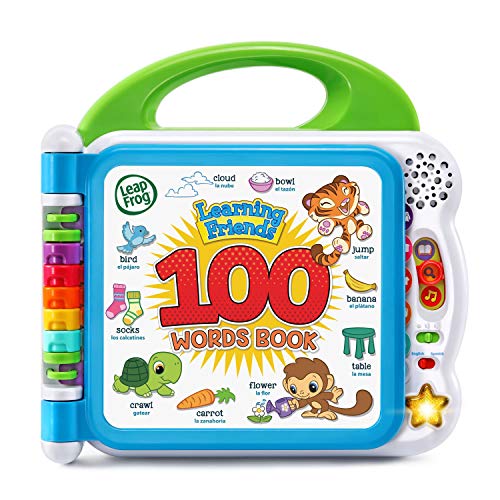
The LeapFrog Learning Friends 100 Words Book introduces more than 100 words through friendly characters Turtle, Tiger, and Monkey. It covers categories such as pets, animals, food, colors, and activities, helping toddlers expand vocabulary in relatable contexts. On each touch, the pages play the corresponding word, sound effects, and even a learning-friendly song from the light-up star button. This interactive experience supports auditory and word recognition, encouraging independent exploration at a toddler-friendly pace.
Ideal for early vocabulary-building, this book blends familiar themes with interactive moments to maintain engagement. Parents can guide children through the word categories, reinforcing associations between words and real-world objects. The durable pages and kid-friendly design suit frequent handling by little hands, while the audio elements provide consistent pronunciation models.
Dear Zoo: A Lift-the-Flap Book

Dear Zoo offers a playful lift-the-flap experience that invites toddlers to guess which animal is behind each flap. While not all features are detailed in the listing, lift-the-flap formats are known to promote spatial awareness, prediction skills, and fine motor development. The repetitive, simple phrasing supports early reading confidence as children anticipate the reveal of each animal. The book’s charming illustrations provide visual cues that complement the interactive discovery process.
This title is well-suited for shared reading sessions, where adults can read aloud and pause for flaps, encouraging participation and expressive language. It also helps children learn animal names and sounds through a hands-on exploration style. As a staple of interactive baby/toddler literature, it remains a reliable choice for engaging curiosity around the animal world.
Imitation Book: Interactive & Fun Learn to Talk Board Book

This board book focuses on early speech development and toddler language through imitation. Designed by a speech therapy publisher, it targets toddler language skills, late talker concerns, and overall communication progress. With guided prompts and approachable topics, the book encourages children to practice sounds, imitate words, and engage in simple conversational turns. Adults can model phrases and support expressive attempts in a low-pressure, playful format.
Key benefits include targeted language practice in a compact format ideal for travel or short attention spans. The interactive prompts can help children experiment with new sounds in a safe, encouraging environment. The book’s design supports caregivers seeking structured language activities that feel natural within daily routines.
World of Eric Carle Around the Farm 30-Button Animal Sound Book
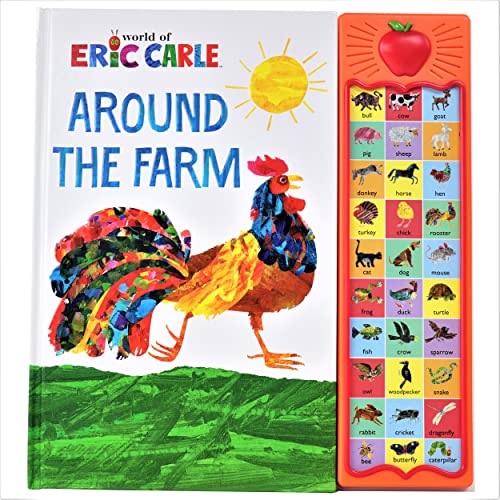
This sound-book edition features 30 animal sound buttons, each linked to a specific animal and its sound. The auditory cues help children associate animal names with sounds, reinforcing memory through multisensory learning. While the product notes recommend ages 3 and older, many curious two-year-olds enjoy pressing buttons and identifying animal sounds with caregiver guidance. The farm theme supports early vocabulary related to animals, colors, and farm-related activities.
In practice, the book can be used for interactive read-aloud sessions, encouraging children to imitate sounds and point to pictures. It provides a concrete, audio-driven method to expand vocabulary while keeping the learning process entertaining through familiar farm imagery and rhythmic prompts.
LeapFrog 100 Animals Book, Green

This interactive animal book explores 12 animal categories—ranging from forest to ocean and shore—across six double-sided pages. It offers three play modes that teach animal names, animal sounds, and fun facts. The fully bilingual format supports English and Spanish language exposure, making it a versatile tool for households seeking bilingual early learning experiences. The combination of visuals, sounds, and simple facts supports a holistic approach to vocabulary and auditory discrimination.
The structure encourages independent exploration with caregiver support when needed. The bilingual aspect can help non-native English speakers or families wanting Spanish language exposure without sacrificing English vocabulary. The durable pages and interactive elements suit everyday play and consistent practice with young learners.
Buying Guide: Key Purchase Considerations And Comparisons
When selecting interactive books for two-year-olds, consider how the features support development milestones, attention span, and parental involvement. Here are factors to guide your choice:
- Age appropriateness: Look for books designed for toddlers with simple words, short sentences, and predictable patterns. Features like lift-the-flap, touch-and-feel elements, and sound buttons can sustain attention for short sessions.
- Multisensory learning: Interactive formats that combine visuals, sounds, and touch help with vocabulary acquisition, memory, and phonemic awareness. Consider whether the book offers auditory cues, word repetition, and回应able feedback.
- Language exposure: Bilingual or multilingual options can broaden vocabulary and cultural exposure. Assess whether the book presents content in both languages clearly and accessibly.
- Durability and safety: Toddlers explore with hands and mouths. Check for sturdy pages, sealed buttons, and non-toxic materials. Consider age suitability and washing routines for shared use.
- Engagement and repeatability: Books with catchy sounds, songs, or familiar characters tend to be revisited often. Repetition supports steady vocabulary growth and predictability for shy or hesitant readers.
- Parental involvement: Some titles are best used with a grown-up read-aloud, while others encourage independent exploration. Decide how you want to structure reading time—guided or child-led.
- Accessibility: Look for clear labeling of features, easy-to-reach buttons, and simple navigation. A comfortable size and sturdy binding support independent use by toddlers.
Product-by-product comparisons show a range of strengths. LeapFrog titles emphasize word learning, songs, and bilingual content, ideal for vocabulary expansion and auditory recognition. Lift-the-flap books offer hands-on discovery, boosting fine motor skills and prediction. Language-focused board books provide structured practice for early speech development, while animal sound books deliver auditory discrimination and memory through sound cues. Depending on a child’s interests—animals, farm life, or familiar themes—these options can be mixed to create a balanced early literacy routine.
In practice, a combination approach tends to work best: use a word-focused book for structured vocabulary, a lift-the-flap book for interactive discovery, and an animal-sound book to reinforce sound-symbol associations. Consider pairing a bilingual option for households seeking broader language exposure. Finally, evaluate your child’s attention span and your daily routine to choose titles that fit naturally into read-aloud or independent play times.