Best Interactive Dog Toys for Kids
Interactive dog toys for kids blend play, learning, and responsibility. The following five plush, electronic pets offer walking, barking, tail wagging, and various pretend-play features that engage children in caregiving activities. They are designed for safe, hands-on learning and imaginative role play, suitable for ages 3 and up. Use the quick table below to compare key options at a glance.
| Product | Brand | Main Features |
|---|---|---|
| KSABVAIA Plush Golden Retriever Toy | KSABVAIA | Walks, barks, tail wag, simple 2-AA operation |
| TUMAMA Remote Control Plush Puppy | TUMAMA KIDS | Remote leash control, walks, barks, dress-up accessories |
| Koonie Walking Toy Dog | Koonie | Walks, sings, barks; role-play set for doctor/nurse themes |
| CU-MATE Plush Interactive Maltese | CU-MATE | Walking, barking, tail wagging; handmade, soft, safe |
| OR OR TU Walking Barking Toy Dog | OR OR TU | Remote control leash, clapping/voice control, multiple pretend-play items |
KSABVAIA Plush Golden Retriever Toy Puppy

This soft plush puppy provides interactive pretend-pet play with realistic movements. It walks, barks, stretches, and wags its tail, delivering engaging demonstrations on carpets and hard surfaces. A simple head tap triggers barking and tricks, offering immediate feedback for kids. The design emphasizes safety and comfort with plush materials and a smooth finish, eliminating odors and rough textures that might bother younger children.
TUMAMA Remote Control Plush Puppy

A versatile interactive toy that brings a companion feel to playtime. This plush puppy includes a remote leash, collar, accessories, and a full set of pretend-bone and feeding items. It walks, barks, and wags its tail when activated, with a soft, skin-friendly texture. Batteries are required for action, and the included accessories support imaginative scenarios—perfect for encouraging caregiving, sharing, and storytelling among kids.
Koonie Walking Toy Dog

This larger plush dog offers walking, barking, and singing features, with a rich 11-piece play set for immersive pretend play. The set enables role play as a doctor, dentist, or nurse, expanding kids’ imagination and social skills. The toy promotes healthy activities and creative play, including music-triggered responses when brushing or feeding the dog. Its robust package invites ongoing play and learning through scenario-based games.
CU-MATE Plush Interactive Maltese
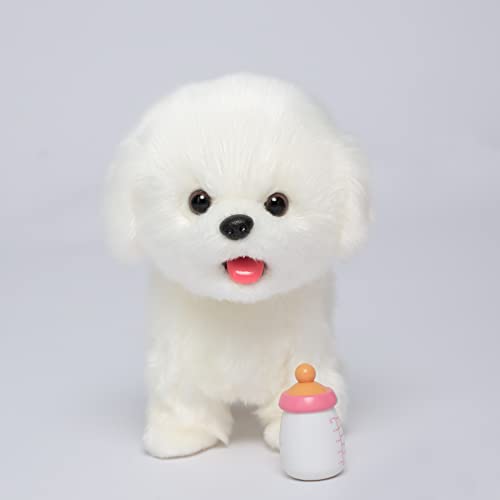
This handmade Maltese plush offers multiple functions, including walking, barking, tail wagging, tongue-out actions, and even milk drinking. The materials are described as safe and environmentally friendly, with attention to softness and odor control. Aimed at kids who enjoy realism and collectability, the toy also serves as decorative art. The craft-focused design adds a sense of quality and care to playtime.
OR OR TU Walking Barking Toy Dog

This plush plush toy includes a remote leash and several accessories for pretend feeding and care. It features clapping-voice control and a realistic set of behaviors—walking, barking, tail wagging, head shaking, and singing. The design supports cooperative play, empathy development, and shared storytelling, with an emphasis on safe, bite-free interactions for children.
Buying Guide
When selecting an interactive dog toy for kids, consider these factors to ensure a good fit and long-lasting enjoyment:
- Age appropriateness: Look for toys designed for ages 3 and up to ensure safe, small parts are avoided.
- Durability and materials: Choose soft, non-toxic fabrics with reinforced stitching and child-friendly finishes.
- Interactivity level: Decide between motion-based (walking, barking) versus multi-sensory (sound, glow, dress-up) experiences.
- Power and maintenance: Note battery type, replacement availability, and ease of cleaning.
- Educational value: Favor toys that encourage empathy, caregiving, sequencing, and role-play scenarios.
- Safety certifications: Prefer items with safety certifications or clearly stated compliance to consumer guidelines.
Key comparisons:
- Realism vs. imagination: Some toys emphasize lifelike actions, while others encourage broader pretend play through accessories.
- Accessory ecosystems: Sets with leashes, collars, and grooming tools expand play opportunities but may require more storage and setup.
- Durability for young children: Plush models tend to withstand rough handling better than electronics, but electronic features can boost engagement for longer play sessions.
In choosing, balance the child’s interest—whether they prefer cuddly companions or interactive activities—with practical considerations like noise level, battery life, and ease of cleaning. This selection aims to support imaginative play, safe handling, and meaningful caregiver-child interactions.