Best Learning Kits for 3 Year Olds: Hands-on Activities That Build Early Skills
Parents and caregivers can foster early literacy, math readiness, and fine motor skills with curated learning kits designed for preschoolers. The following selections emphasize hands-on exploration, safe materials, and age-appropriate challenges. Each kit integrates multiple activities to keep little learners engaged while encouraging independent exploration and cooperative play. Below you’ll find five well-rounded options that align with developmental milestones typical for three-year-olds, along with practical buying considerations to help you choose the right fit.
| Product | Key Benefit | Ideal For |
|---|---|---|
| Momo & Nashi Preschool Learning Activities | Letter tracing, writing practice, and motor skills development | Young beginners building foundational handwriting |
| TOYVENTIVE Books, Toddler Flash Cards, and Puzzles | Problem solving, vocabulary, and basic phonics through interactive cards | Future readers and early counters |
| Learnabee Toys Box Set | Books, puzzles, crafts, and a responsibility chart for daily routines | Comprehensive, screen-free learning gifts |
| Learning Resources All Ready For Preschool Readiness Kit | Numbers, letters, colors, shapes, and fine motor activities | Preschool prep in a portable kit |
| MUONE Montessori Busy Book | Color sorting, matching, and pre-reading skills in a tactile format | Independent learning and early cognitive development |
Momo & Nashi Preschool Learning Activities

This all-in-one workbook set targets early handwriting and motor coordination. It includes 35 engaging activities designed to guide children through lines, shapes, numbers 1–10, and full A–Z letter tracing. The kit is built around a complete approach: the six dry erase markers, an eraser, an elastic pen holder, and an on-the-go box are all included, reducing the need for extra purchases. The activities are organized by stroke patterns to reinforce correct technique and build lasting muscle memory as kids practice again and again. The materials are designed to be non-toxic and easy to clean, making daily tracing sessions straightforward for parents and teachers alike. Ideal for use at home or in preschool settings, this kit supports independent practice while allowing guided instruction when needed.
Key benefits include handwriting readiness, improved hand-eye coordination, and a structured progression from simple to more complex traces. The included dry-erase tools enable repeated practice without waste, and the portable box supports learning on the go. For families seeking a compact, all-in-one handwriting curriculum, this kit provides a clear pathway from tracing lines to forming letters.
TOYVENTIVE Books, Toddler Flash Cards, and Puzzles

This multi-activity box combines board books, laminated flashcards, and a simple puzzle set to build essential early-learning skills. The content covers colors, shapes, letters, numbers, and basic phonics, offering a broad introduction to language and math concepts. The design emphasizes safe materials and age-appropriate challenges, with parent guides that suggest activities to pair verbal instruction with hands-on play. The included items encourage both independent exploration and guided storytelling, supporting early literacy as well as early numeracy.
Potential benefits include the development of problem-solving abilities, enhanced concentration, and the beginnings of structured play routines. The flash cards support quick, interactive practice, while the books introduce vocabulary in a visually engaging way. This kit is well-suited for families seeking a versatile, compact learning set that grows with a child’s curiosity and pace.
Learnabee Toys Box Set
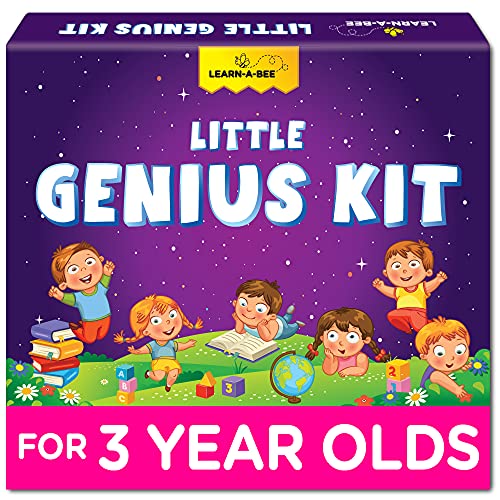
Learnabee’s bundle provides a curated mix of print books, puzzles, crafts, and a responsibility chart. The setup supports practical daily routines while introducing concepts like space, habits, and early literacy. The 24-piece puzzle set builds spatial reasoning and fine motor control, and the safe craft tools encourage creative expression without screens. The inclusion of a responsibility chart helps establish routines and fosters a sense of independence, making this kit a well-rounded choice for households prioritizing structured, screen-free learning experiences.
Strengths include its breadth of activities, the quality of the printed materials, and the emphasis on both cognitive and behavioral development. This kit is especially suitable for caregivers who want a single purchase that covers multiple learning domains and daily readiness skills in one engaging package.
Learning Resources Preschool Readiness Kit

This kit is purpose-built for preschool preparation, packaged in a sturdy carrying case for portability. It emphasizes numbers, counting, the alphabet, colors, shapes, and fine motor skills through a comprehensive collection of activities and tools. The all-in-one nature makes it easy to structure a learning routine, whether for homeschool use, classroom rotation, or enrichment time at home. The kid-friendly theme keeps activities approachable while reinforcing foundational concepts that build confidence as children begin kindergarten readiness.
Pros include a clear, guided pathway from basic recognition to more complex tasks, and a practical format for families seeking a scalable learning solution. The kit’s portability also supports learning beyond the home, such as in travel or family outings, while still providing consistent practice in essential skills.
MUONE Montessori Busy Book

MUONE’s busy book emphasizes color sorting and matching as a core activity, using a vibrant, interactive format designed for toddlers 3 and up. The set supports vocabulary development and pre-reading skills through clear image-word pairings, with a Montessori-inspired approach that encourages hands-on exploration and independent play. The durable, kid-safe design makes it suitable for travel and everyday use, while the variety of activities promotes sustained engagement and cognitive development.
Key considerations include the level of independence each child can achieve, the ease of use of the matching components, and how the material aligns with a child’s current interests. For families seeking a tactile, self-guided learning experience with a Montessori flavor, this busy book provides a strong option that complements reading and early math activities.
Buying Guide: Key Purchase Considerations And Comparisons
- Learning domains: Choose kits that balance literacy, numeracy, and fine motor skills. A well-rounded set blends tracing, alphabet exposure, color and shape recognition, and practical problem-solving activities.
- Safety and age appropriateness: Look for non-toxic materials, rounded edges, and simple instructions suitable for three-year-olds. Avoid sets with small pieces that could pose choking hazards.
- Durability and maintenance: Reusable components (dry-erase materials, laminated cards, and sturdy books) save money over time. Consider households with travel needs and choose kits with portable storage.
- Independent vs. guided learning: Some kits are designed for self-guided exploration, while others include parent guides or prompts. A mix can support both independent exploration and guided instruction.
- Montessori alignment: If you value hands-on, self-directed learning, look for materials that emphasize concrete manipulation, color matching, sequencing, and real-world relevance.
- Age-appropriateness and progression: Ensure the activities match a child’s current developmental stage and offer a clear progression from simple to more complex tasks to maintain engagement without frustration.
- Caregiver involvement: Consider how much time you can dedicate to guiding activities. Some kits are designed for quick sessions, while others invite longer, more structured activities.
- Budget and value: Multi-activity kits often deliver more value by combining several learning domains. Compare contents, durability, and potential for reuse before deciding.
In summary, the best learning kits for 3-year-olds provide a balanced mix of handwriting readiness, vocabulary building, and cognitive development with a focus on safe, engaging, and age-appropriate activities. Whether you prioritize Montessori-inspired hands-on learning, board-game style exploration, or a broad readiness toolkit, the selections above offer strong options for building foundational skills in early childhood.