Best Learning Robot for Toddlers That Instills Curiosity and Skills
Finding the right learning robot for toddlers means balancing safe play, engaging activities, and early STEM skills. The following picks offer screen-free exploration, basic coding concepts, and hands-on problem solving that grow with young learners. Each option emphasizes fine motor development, imaginative play, and foundational STEM ideas suitable for toddlers and preschoolers. Explore five solid choices, with features, benefits, and practical use in everyday learning.
| Product | Brand | Type |
|---|---|---|
| Educational Insights Design & Drill Robot | Educational Insights | Construction/STEM Toy |
| Ruko 1088 Smart Robots | Ruko | Programmable Interactive RC Robot |
| Miko 3 AI Robot for Kids | Miko My Companion | Smart Educational Robot |
| Learning Resources 1-2-3 Build It! Robot Factory | Learning Resources | Early Engineering Kit |
| Learning Resources Code & Go Robot Mouse | Learning Resources | Screen-Free Coding Toy |
Note: Each product is designed with age-appropriate features and hands-on activities that align with early childhood learning goals. The selection below highlights a range of interactive experiences—from unplugged building to basic programming concepts—to help parents and caregivers choose a toy that best fits a toddler’s (and preschooler’s) developmental stage.
Educational Insights Design & Drill Robot

This robot kit merges construction play with pretend play, offering a take-apart experience that keeps little hands busy. The included working screwdriver promotes fine motor skills as children decorate and assemble the snap-and-screw robot. Through play, toddlers are introduced to basic construction concepts and problem-solving strategies, fostering early STEM understanding and imaginative pretend play.
Ruko 1088 Smart Robots

Ruko 1088 offers a large, programmable learning opportunity with voice control and app connectivity. Standing tall at up to 15.8 inches, it supports imaginative play while introducing basic programming concepts. Its multiple expressions, joints, and songs help children develop storytelling, sequencing, and logical thinking as they interact with a friendly educational robot.
Miko 3 AI Robot for Kids
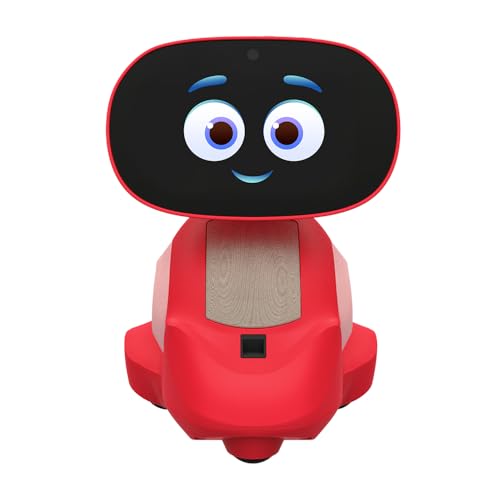
Miko 3 blends STEAM learning with interactive storytelling, offering a built-in touchscreen for independent exploration. The robot adapts to a child’s interests with age-appropriate content, and Story Maker enables collaborative story creation that can be saved as digital memory books. Its friendly, responsive personality supports engagement and language development alongside creative problem-solving.
Learning Resources 1-2-3 Build It! Robot Factory

This build-it-yourself kit encourages early engineering and fine motor skills in toddlers and preschoolers. The easy-to-handle pieces allow little hands to assemble imaginative bot designs, supporting explicit instruction in construction concepts while promoting critical thinking and problem-solving through hands-on play.
Learning Resources Code & Go Robot Mouse
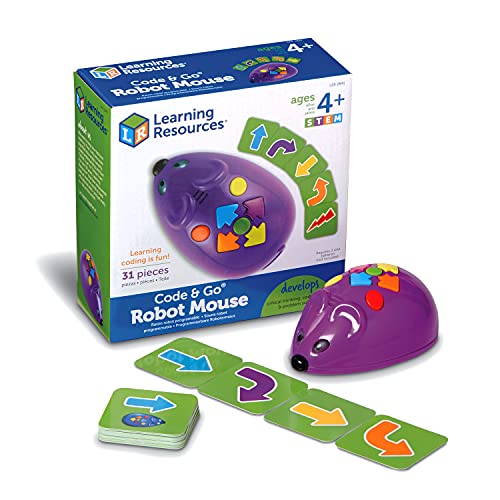
This screen-free toy introduces basic coding concepts through a programmable mouse. Colorful buttons, directional cards, and accompanying sounds and lights support multiple learning styles while guiding children through simple sequences and routes, helping to develop planning, logic, and problem-solving from a young age.
Buying Guide
Key considerations when selecting a learning robot for toddlers include safety, age-appropriateness, and durability. Look for sturdy materials, rounded edges, and BPA-free components. Age guidance helps ensure activities match cognitive and motor development, while simple, intuitive controls reduce frustration and encourage exploration.
Learning goals vary across products. Some robots emphasize unplugged STEM concepts like building, stacking, and problem-solving through hands-on play. Others introduce early coding and sequencing using screen-free interfaces or age-appropriate apps. Consider your child’s interests—building, storytelling, music, or exploration—as well as how the robot can grow with them over time.
Durability matters for toddlers who are prone to drops and rough play. Look for washable parts, secure fasteners, and pieces that are easy to manipulate. Compatibility with open-ended play is valuable; many kits allow children to combine pieces in multiple configurations, sparking creativity beyond the included designs.
Ease of use is another factor. Quick-start guides, clearly labeled buttons, and parental controls help caregivers manage play sessions and keep learning on track. If you prefer screen-free options to minimize screen time, prioritize toys that offer robust tactile experiences and storytelling prompts. For families wanting ongoing digital content, consider robots with adaptive apps that adjust activities as a child grows.
Price and availability can influence choice. While higher-priced models often offer more interactive features, many affordable kits deliver substantial learning value through open-ended play and early engineering challenges. Balance your budget with the potential for long-term educational benefits and safety considerations.
Finally, consider the intended use—solo play, collaborative family activities, or classroom use. Some robots foster social interaction and cooperative learning, while others support independent exploration. Choosing a product that aligns with your child’s routine and learning style will maximize engagement and skill development over time.