Best Micro FPV Quadcopter: Ultra‑Light Drones for Indoor and Outdoor Freestyle
From ultra‑light 65mm to compact 75mm frames, micro FPV quadcopters offer nimble handling, fast setup, and exciting freestyle potential. This guide highlights five top micro FPV options, covering lightweight racers, beginner kits, and versatile BNF betas. Each entry includes core specs, what to expect in flight, and how it fits different skill levels. For readers in the United States seeking compact drones that fly well in bedrooms, parks, or indoor arenas, these picks provide strong performance without the heft of larger quads.
Summary Table of Selected Micro FPV Quadcopter Products
| Product | Brand | Best For | Notable Feature |
|---|---|---|---|
| ELRS V3 Air65 | BETAFPV | Lightweight freestyle | G473 5IN1 FC, 65mm 1S, 170+ g thrust-to-weight |
| Air75 Brushless Whoop | BETAFPV | Indoor/outdoor racing | 75mm, ELRS option, 1S power with 5IN1 FC |
| Tiny Hawk Micro Drone Free Style 2 | Tiny Hawk | Beginner to pro freestyle | Ready to fly with goggles and controller |
| Tiny Hawk Nanoscout | Tiny Hawk | Portable outdoor/indoor use | Nanosize, brushless motors |
| R8 ELRS Brushless Whoop | STARTFPV | Indoor training | 80mm frame, ELRS 2.4G receiver |
BETAFPV ELRS V3 Air65 Brushless Whoop Quadcopter

The ELRS V3 Air65 is a featherweight micro whoop designed for agile freestyle in tiny spaces. Weighing about 17.3g, its Air65 frame supports 1S power with a compact 5IN1 Air brushless FC built around the G473 processor and ICM42688P gyro. This integration yields a robust thrust-to-weight ratio and improved propulsion efficiency, helping pilots perform precise maneuvers with minimal lag. The onboard 5.8 GHz VTX spans 25–400 channels, and the unit is paired with 0702SE Ⅱ 23000KV motors and HQ 31mm ultralight props for snappy throttle response. Calibration is recommended if any motor issue arises.
Key considerations: ultralight design benefits airflow and agility, but battery life is brief due to the 1S power. Compatible pilots can tune flight characteristics using the 5IN1 FC, which simplifies setups but may require matching firmware with the transmitter for ELRS bindings. Best for experienced pilots seeking fast, nimble flights in small arenas or outdoor areas with minimal wind.
BETAFPV Air75 Brushless Whoop Quadcopter

The Air75 brings a slightly larger 75mm footprint with a 1S brushless system and an integrated 5IN1 FC powered by the G473 processor. This model uses the ELRS protocol and a high‑efficiency 0802SE 23000KV motor paired with GF 40mm 2‑blade props. It offers higher propulsion efficiency versus smaller micro quads and remains suitable for indoor courses as well as controlled outdoor spaces. The flight controller, ESC, OSD, RX, and VTX are all contained in the 3.6g FC component, streamlining maintenance. Bear in mind the default protocol is ELRS, so ensure your transmitter matches the firmware version for a smooth bind.
Purchasers should consider the importance of a stable ELRS connection for responsive control and plan for firmware compatibility between the drone and transmitter. The Air75 suits pilots who want a balanced blend of stability and speed with a slightly larger chassis for more confident handling in dynamic freestyle or racing drills.
Tiny Hawk Micro Drone Free Style 2 FPV Racing Outdoor Quad
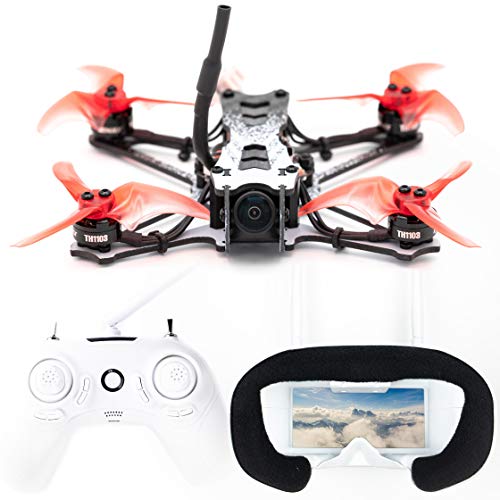
The Tiny Hawk Free Style 2 is designed for outdoor racing and freestyle, packaged as a ready-to-fly kit with goggles and a controller. It emphasizes a lightweight build and a robust frame that supports aggressive moves while remaining responsive in high‑speed sequences. The 5.8 GHz video link helps maintain a clear FPV feed, with a focus on stable throttle control during tight turns and rapid acceleration. This option is well-suited for pilots transitioning from beginner models to more experienced freestyle routines.
Key considerations: RTBF (ready-to-fly) kits provide convenience but may constrain customization. For enthusiasts seeking hands-on tuning, this model offers a solid baseline to perfect timing, throttle control, and line-tracking across varied outdoor environments. Beginners should expect a learning curve but benefit from the included goggles and controller to accelerate familiarization with FPV flight dynamics.
Tiny Hawk Nanoscout FPV Drone
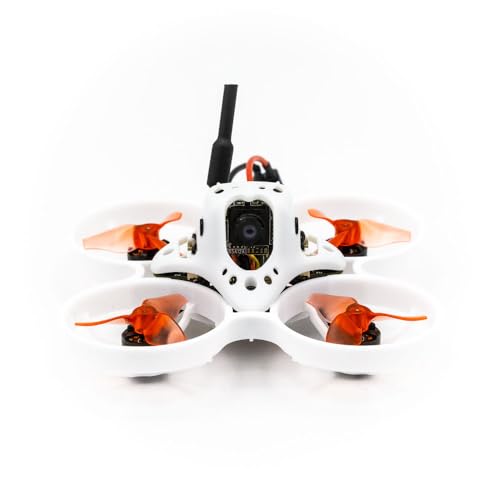
The Nanoscout offers a compact 65mm frame with durable plastic construction and brushless motors for efficient power delivery. Its nano footprint makes it highly portable for outdoor adventures and indoor flights where space is limited. Designed for everyday pilots, it emphasizes resilience and dependable handling rather than extreme speed. The Nanoscout supports flexible flight modes and a compact control profile that suits pilots who want quick setup and reliable flight behavior in a range of environments.
Key considerations: smaller drones can be more sensitive to wind and terrain, so beginners should practice in calm spaces before tackling breezier days. The compact size is ideal for tight indoor courses and casual exploration, while the brushless motors provide a step up in performance over brushed micro quads.
R8 ELRS Brushless Whoop Quadcopter

The R8 micro FPV drone is engineered for indoor skill advancement with a tiny yet sturdy 80mm frame that weighs around 26g. It uses a 6‑port battery charger and two batteries for extended flight times up to 12 minutes. The included ELRS 2.4G receiver provides broad compatibility with popular transmitters, enabling rapid binding and low‑latency control. The design emphasizes a low aerodynamic center for improved stability in sharp turns and high‑speed passes, making it a strong indoor trainer and a contender for entry-level racing practices.
Key considerations: while the R8 excels indoors, its small size can demand precise throttle control. The ELRS integration is valuable for modern controllers, but pilots should confirm transmitter compatibility to ensure seamless binding and consistent performance during practice sessions.
Buying Guide: Micro FPV Quadcopters
When shopping for micro FPV quads, consider three core factors: size and weight, power system, and flight control integration. Micro quads in the 65–75mm range prioritize lightness for nimble handling but sacrifice some stability in breezy conditions. Look for lightweight 1S power systems with efficient motors (such as 23000KV) and high‑quality props (3‑blade or 2‑blade variants) to balance thrust and control.
Flight controller and protocol compatibility is critical. Many micro FPV drones use Betaflight or similar stacks wrapped into a 5IN1 FC with OSD, RX, VTX, and ESC integration. ELRS bind‑and‑fly compatibility is a major selling point for modern kits, but ensure firmware versions align with your transmitter to prevent binding issues.
Indoors vs. outdoors: smaller quads excel indoors, where wind is less of a factor and rooms constrain maneuvers into precise patterns. For outdoor freestyle, prioritize models with stronger propulsion and efficient aerodynamics, as well as durable frames to absorb occasional impacts. Beginners should favor ready-to-fly kits with goggles and a controller to accelerate learning, while more experienced pilots might opt for open‑ended builds that allow firmware tuning and component upgrades.
Durability and parts availability are practical considerations. Plastic frames are lighter but may crack on hard landings; carbon fiber builds provide stiffness at a higher cost. Check motor size, propeller compatibility, and the ease of replacing flight‑critical components (motors, ESCs, and VTX).
In summary, choose a micro FPV quad that aligns with your space, skill level, and expansion plans. If you want a balanced option for learning and occasional outdoor freestyle, a 65–75mm ELRS‑equipped model with a robust FC offers a sensible path. For strict indoor practice, a compact 80mm/65mm trainer paired with a reliable ELRS link can yield consistent results and faster progression.