Best Mini Pianos for Babies: Tiny Keys, Big Joy in Early Music
Parents seeking engaging, age-appropriate ways to nurture a child’s early musical development can turn to mini pianos. These compact instruments fit small hands, encourage rhythm and creativity, and promote sensory play without overwhelming toddlers. Below is a curated look at five beginner-friendly mini pianos designed for babies and toddlers, highlighting features like key counts, learning modes, lighting, and portability. The selections emphasize safety, durability, and ease of use for little performers.
Summary of chosen products:
- Best Choice Products Kids Classic Wooden 30-Key Mini Grand Piano
- Cozybuy Mini Piano Keyboard for Toddlers with Lights
- Love&Mini Pink Piano Toys for 1+ Years
- Dollox Keyboard Piano for Kids, 37 Keys
- Baby Einstein Cal’s First Melodies Magic Touch Wooden Piano
Best Choice Products Kids Classic Wooden 30-Key Mini Grand Piano
Best Choice Products Kids Classic Wooden 30-Key Mini Grand Piano
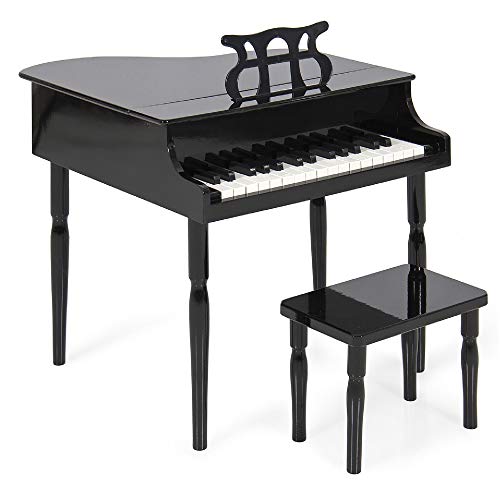
The 30-key miniature grand piano uses MDF wood with a glossy enamel finish, designed for young beginners. Key stickers promote correct finger placement and help transition to a full-size instrument as a child grows. The lid can be opened to amplify acoustics, offering a warm, rich tone that mirrors a real grand piano experience. This model emphasizes durability and safe, engaging play for early musical exploration.
Cozybuy Mini Piano Keyboard for Toddlers
Cozybuy Mini Piano Keyboard for Toddlers

This pocket-sized keyboard (about 5.91 by 3.15 inches) is designed for portability and on-the-go play. It offers 15 melodies, adjustable volume, and soft lighting. Modes include learning and sound options like piano, organ, and carillon. The compact design makes it suitable for quick calm-down sessions, travel, or a playful distraction, helping reduce screen time while encouraging musical exploration.
Love&Mini Pink Piano Toys for 1+ Years
Love&Mini Pink Piano Toys for 1+ Years

Designed for early learners, this pink piano features 24 keys and a child-safe ABS plastic build. It supports multiple learning aids such as demo songs and adjustable volume. The compact size and bright design appeal to toddlers, making it a popular first instrument for developing rhythm, coordination, and creativity in a safe, non-toxic form.
Dollox Keyboard Piano for Kids, 37 Keys
Dollox Keyboard Piano for Kids, 37 Keys

With 37 keys and multiple play options, this mini piano supports creative growth and early musical development. Features include eight instrument tones, eight accompaniment styles, eight percussion effects, 22 demo pieces, plus record and playback. A compact size with stool makes it adaptable for floor play or desk use, supporting quick setup and storage for small spaces.
Baby Einstein Cal’s First Melodies Magic Touch Wooden Piano
Baby Einstein Cal’s First Melodies Magic Touch Wooden Piano

This Montessori-inspired wooden piano encourages cause-and-effect learning and fine motor skills through a magic touch surface. The design focuses on creativity and exploration, allowing babies and toddlers to make music with simple taps and swipes. It’s a sturdy, developmental toy that introduces musical concepts while supporting sensory exploration and problem-solving skills.
Buying Guide: Key Purchase Considerations
- Age appropriateness: Look for 12–36 months or older, depending on your child’s stage and dexterity. Features like simple keys, bright colors, and safety certifications matter for younger babies.
- Number of keys and range: Higher key counts enable more musical exploration but may be overwhelming for very young children. Start with 24–37 keys for a balance of realism and usability.
- Learning features: Demo songs, light-guided learning, adjustable volume, and record/playback help children understand musical structures and develop confidence.
- Portability and storage: Compact, lightweight designs are ideal for travel or small rooms. Some models include stools or foldable racks for easier storage.
- Materials and safety: Choose non-toxic plastics for infants, or wooden builds for durability. Ensure no sharp edges and that materials align with safety standards.
- Acoustic vs. electronic play: Wooden or traditional-tuned elements can improve auditory development, while electronic features support interactive learning and varied sounds.
- Maintenance: Look for easy-clean surfaces and simple battery access if electronic features are involved. Regular inspection keeps play safe and enjoyable.
- Budget and lifespan: Consider whether the instrument will grow with the child. Some models offer upgrade paths with more keys or additional features as skills improve.
- Future play value: A model with multiple instrumentation tones, modes, and recording options may extend engagement as your child’s musical curiosity expands.
Additional Perspectives And Comparisons
Choosing a mini piano for a baby involves balancing simplicity with potential for growth. Wooden models typically offer a more traditional piano feel and longer-lasting durability, appealing to caregivers who want a lasting keepsake as a child develops. Plastic and electronic toys often provide more interactive features, such as LED lights, built-in melodies, and microphone options, which can engage a child’s attention and encourage exploration in a fast-paced household. Availability of adjustable volume helps preserve hearing while offering opportunities for independent play. When evaluating options, consider the child’s temperament, typical play environment, and whether you prefer a toy that supports early music education or a broader exploratory toy that still introduces rhythm and melody.
Product diversity in this category means you can prioritize portability for travel, or prioritize richer sound and more advanced learning modes for longer-term engagement. Safety certifications and material quality should be verified, especially for babies who tend to chew or mouth objects. In many cases, parents benefit from models that combine durable builds with engaging features like color-coded keys, demo tunes, and optional accessories such as stools or microphones. The five products highlighted above provide a range of options suited to different developmental stages and household needs.