Best Model Cars to Build for Kids: Top Hands-on Kits for 8-12 Year Old Builders
Discover engaging model car kits that foster STEM skills, focus, and creativity for kids ages 8-12. The following selections offer sturdy metal and plastic builds, clear instructions, and fun, motorized play once completed. Each option emphasizes hands-on learning, patience, and problem-solving, making them ideal for independent play or family projects. Below is a quick overview of the chosen products to help you compare at a glance.
| Product | Brand | Key Feature |
|---|---|---|
| Off-Road Pull Back Model Cars | WISEPLAY | 390-piece STEM kit with pull-back truck and shock absorbers |
| Model Cars To Build (RC Car) | WISEPLAY | 457-piece remote-control car kit with step-by-step guide |
| Metal Car Model Kit | Ferthor Fun | 1:20 scale metal racing car with 201 parts and durable metal |
| Lucky Doug Model Car Set | Lucky Doug | 287-piece STEM building toy with clear steps and long slide distance |
| TANMGIN Erector Sets | TANMGIN | Metal body with authentic off-road details and 190 accessories |
Off-Road Pull Back Model Cars by WisePlay

WISEPLAY’s Off-Road Pull Back Kit combines a robust 390-piece build with a functional pull-back mechanism. Designed to boost motor skills and problem-solving abilities, this kit lets kids assemble a fully functional off-road truck. Springs or shock absorbers help absorb vibrations on uneven surfaces, supporting smoother operation during play. The kit is suitable for collaborative play or independent building, encouraging imagination and engineering literacy from an early age.
WISEPLAY Model Cars To Build For All Ages
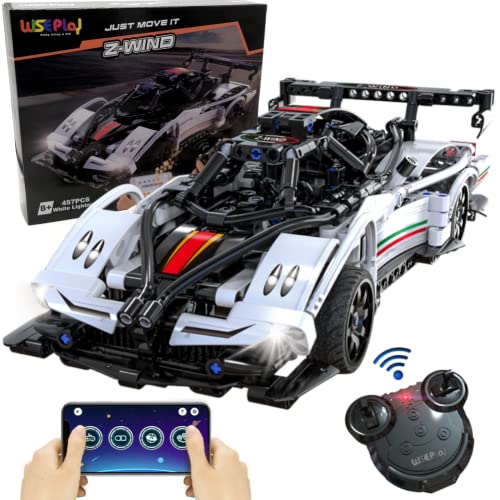
This kit blends STEM building with a remote control car experience. With 457 pieces, kids assemble a fully functional RC sports car. The project also plays well as a family activity, as adults and older kids can engage with the build. A straightforward, step-by-step guide helps builders complete the model, supporting independent learning and sequential thinking as they follow the assembly process.
Ferthor Fun Building Car Metal Model Kit

Ferthor Fun offers a 1:20 metal racing car kit with 201 parts. The metal components and included tools ensure durability and a satisfying assembly experience. Clear instructions guide children through the step-by-step process, emphasizing patience and careful construction. Once assembled, the car can be displayed or used for short-distance play, with rotation and movement possibilities that reinforce mechanical perception and fine motor coordination.
Lucky Doug Building Kit Model Car Set

Lucky Doug provides a 287-piece STEM project that helps kids age 8-12 explore assembly, engineering concepts, and motorized functionality. The kit includes nuts, bolts, screwdrivers, and wrenches, with a long-distance sliding capability once completed. Clear, illustrated steps guide builders through each phase, reinforcing instruction-following skills and hands-on problem-solving during construction and testing.
TANMGIN Erector Sets For Boys

TANMGIN’s metal-bodied, rubber-tired model car kit includes 190 accessories and authentic off-road details. The assembly time is around two hours, making it a focused, time-bound project that supports planning and execution. The metal construction adds durability and a tangible feel to the build, encouraging careful handling and attention to detail while fostering engineering curiosity through realistic features.
Building Toys Model Truck Set by WATUDOU

WATUDOU presents a comprehensive metal model car kit with essential tools and a detailed step-by-step guide. The project emphasizes hands-on learning, including hand dexterity, spatial imagination, and problem-solving. The color-coded instructions facilitate following the correct sequence, making it suitable for curious kids who enjoy structured, methodical building sessions and adult supervision when needed.
Buying Guide: Key Purchase Considerations
- Age range and skill level: Check recommended ages and the complexity of parts to ensure a suitable challenge without overwhelming the builder.
- Material and durability: Metal kits tend to be sturdier and provide a more tactile building experience, while plastic kits may offer lighter handling and easier assembly for beginners.
- Learning outcomes: Look for kits that emphasize STEM concepts such as gears, motion, energy transfer, and problem-solving through hands-on building.
- Instructions and guidance: Clear, step-by-step guides with diagrams support independent learning and reduce frustration during assembly.
- Interaction and play value: Decide whether you want a kit that becomes a display model, a functioning RC or pull-back vehicle, or a simple build-and-play toy.
- Tools included: Some kits provide wrenches, screwdrivers, and other essentials; others require household tools, which can affect preparation time and cost.
- Replayability and expansion: Consider whether the kit can be used for multiple builds or combined with other kits to extend learning and play.
- Safety considerations: Ensure kits use non-toxic materials and avoid small parts for younger siblings if safety is a concern.
- Budget and value: Compare part counts, complexity, and included features to assess overall value beyond sticker price.
- Parent-child collaboration: Some kits are well-suited for guided builds or collaborative projects, offering an opportunity to reinforce teamwork and communication.