Best Moon Toys for Toddlers: Safe Lunar Play Ideas
Moon-themed toys capture young imaginations while supporting early learning. This guide highlights five toddler-friendly moon toys, spanning plush, interactive toys, wooden lacing kits, and light-up moon models. Each item offers safe materials, engaging visuals, and age-appropriate activities to inspire curiosity about space and the night sky. Below is a quick summary table to compare the picks at a glance.
| Product | Brand | Key Feature | Ideal Age |
|---|---|---|---|
| Moon Torch | 4M | Portable moon projection with adjustable focus | 5+ years |
| Moon In My Room | Basic Fun | Light-up lunar phases with remote/auto | 6+ years |
| Moon Buddy | Celestial Buddies | 8.5″ plush with educational facts | 0+ years |
| Moon/Stars/Cloud Lacing Toy | FlameFlash | Wooden threading for fine motor skills | 1-3 years |
| Moon Ball | Waboba | Hyper bouncy ball with craters and unique pop sound | All ages |
Moon Torch By 4M
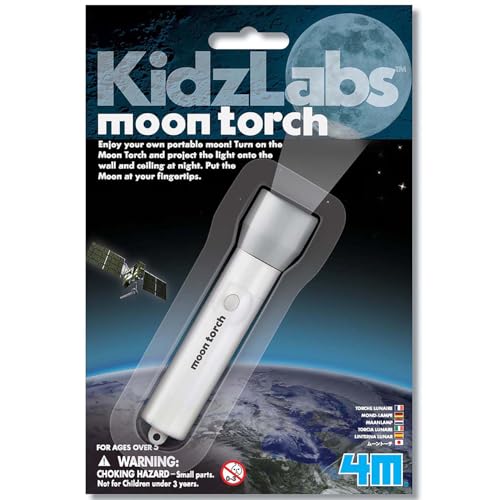
The Moon Torch from 4M is a portable projection toy that brings the Moon indoors. It projects a detailed Moon image onto walls or ceilings, creating an immersive lunar display for toddlers. The device includes an adjustable focus lens, allowing caregivers to tailor sharpness and image size to suit a child’s room. Operation is simple: remove the insulation sleeve, switch on, and adjust the focus for a clear projection in seconds. This toy supports imaginative play while offering a gentle, science-adjacent learning experience about lunar surfaces and lighting.
Moon In My Room
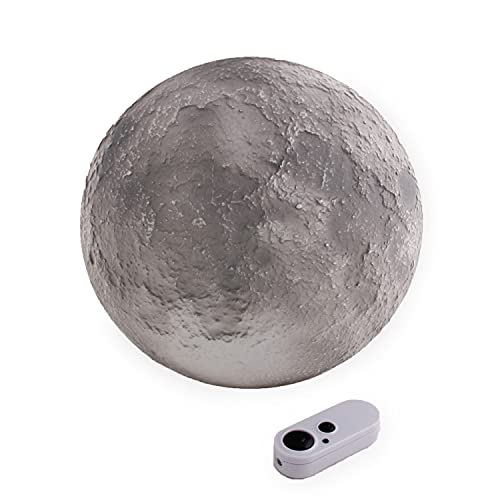
The Moon In My Room product offers a playful, light-up lunar phase experience. It features 12 lunar phases you can rotate through using a remote or automatic mode, letting toddlers observe cycles from crescent to full moon. The design emphasizes authentic lunar visuals and bedtime-friendly science exploration. While engaging, it remains straightforward enough for young children, supporting early astronomy concepts and seasonal curiosity without overwhelming complexity.
Moon Buddy Plush

The Moon Buddy plush from Celestial Buddies is an 8.5-inch soft plush designed for cuddling and early science conversations. It’s a huggable, kid-friendly option that introduces space concepts through a tangible, comforting object. This plush is ideal for daytime storytelling, bedtime routines, and classroom show-and-tell, helping toddlers connect moon imagery with feelings of security and wonder. Its gentle, embroidered features ensure durability and child-safe play.
Moon/Stars/Cloud Lacing Toy

FlameFlash offers a wooden threading and lacing toy featuring moon, stars, and cloud shapes. This Montessori-inspired activity supports fine motor skills, hand-eye coordination, and concentration. The natural wood construction emphasizes safe, tactile play, and the varied shapes inspire imaginative storytelling. It’s a portable, travel-friendly option that can keep toddlers engaged during car rides or quiet moments at home, while reinforcing basic threading and lacing techniques in a low-tech format.
Moon Ball By Waboba

The Moon Ball from Waboba is a high-bounce, craters-adorned ball designed for active play. It produces a distinctive “pop” sound on impact, adding an auditory cue to motion-based play. Suitable for both indoor and outdoor use, the Moon Ball encourages gross motor development, coordination, and social play when kids bounce it with others. The lightweight construction and durable materials make it a versatile option for toddlers and older siblings alike, fostering dynamic, energy-burning fun in a moon-themed frame.
Buying Guide: Key Purchase Considerations
When selecting moon-themed toys for toddlers, consider safety, age-appropriateness, and developmental value. For projection and light-based toys, look for low-heat, child-safe materials and simple on/off controls to minimize frustration. Plush Moon Buddies provide huggable comfort and early language prompts, while wooden lacing toys offer durable, screen-free fine motor practice. For active play, the Moon Ball introduces tactile feedback and spatial awareness, but ensure play areas are clear of breakables. Battery dependency, sound levels, and cleaning requirements should also factor into your choice. Finally, seek toys with educational angles—moon phases, earth-moon relationships, or basic planetary awareness—to reinforce learning during play.
Multi-perspective considerations include: (1) sensory engagement vs. quiet-time options; (2) portability for travel or daycare; (3) durability under toddler handling; (4) inclusivity of STEM terminology through simple, age-appropriate explanations; and (5) ongoing play value as a child’s interests evolve. By weighing these aspects, caregivers can select moon toys that balance learning with safe, enjoyable play across different environments.