Best Multi Rotor Drone Essentials for Hobbyists
Multi-rotor drones are popular for learning flight dynamics, aerial photography, FPV racing, and DIY experimentation. This article highlights five carefully selected accessories that support building, upgrading, and maintaining versatile five-or-more-rotor platforms. Each pick emphasizes durability, performance, and compatibility, helping hobbyists optimize lift, control, and stability across various flying styles. Explore frames, controllers, and propellers chosen for American readers seeking reliable components for both beginners and seasoned builders.
| Product | Brand | Type | Key Benefit |
|---|---|---|---|
| Share Goo F450 4-Axis Multi Rotor Airframe | Share Goo | Airframe / Frame Kit | Durable 450mm frame for robust builds |
| Flycolor 20A Brushless ESC | HAWK’S WORK | Electronic Speed Controller | High-speed, reliable motor control |
| Master Airscrew 10×4.5 Propeller | Master Airscrew | Propeller | Efficient thrust with 2-blade design |
| Master Airscrew 9×4.5 Propeller | Master Airscrew | Propeller | Balanced lift for smaller quads |
| Tarot DIY Multi Rotor Drone Kit | TAROT | Assembly Kit | Gimbal and carbon fiber components for upgrades |
Share Goo F450 Frame For Multi-Rotor Drones

The Share Goo F450 frame is built from strong materials designed to endure hard landings and rough handling. Its 450mm arms contribute to a stable center of gravity, making it suitable for both beginner pilots and more experienced hobbyists. The frame supports various flight modes including hovering, cruising, and rolling, enabling a range of aerial activities from casual flights to FPV sessions. Mounting points and structural integrity reduce maintenance costs over time, and the chassis can be adapted for basic aerial photography or entry-level FPV experiments.
Flycolor 20A Brushless ESC For Multi-Rotor Drones

The Flycolor 20A ESCs provide rapid response with OneShot125 protocol support, increasing communication speed between flight controllers and ESCs by up to eight times. They come pre-soldered with an XT60 connector and 3.5mm banana plugs for quick setup. Built-in protection functions help manage startup, overload, throttle loss, and blocked rotation, contributing to safer and more forgiving flight characteristics. These features are ideal for DIY builds running multiple motors on mid-sized quadcopters where precise control is critical.
Master Airscrew 10×4.5 Multi-Rotor Propellers
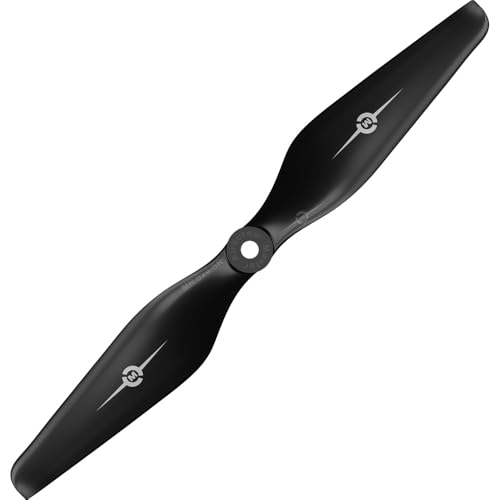
These 10×4.5 propellers feature a two-blade design for efficient thrust and predictable performance on larger multi-rotors. With a 6 mm shaft diameter and a hub thickness of 8 mm, they balance stiffness and flexibility, aiding precision in flight maneuvers while offering reliable durability for extended sessions. They pair well with mid-to-high power motors and are suitable for platforms that demand responsive acceleration and stable hover characteristics.
Master Airscrew 9×4.5 Propellers For Smaller Quads

The 9×4.5 propellers offer a compact option for smaller multi-rotor configurations. With the same 6 mm shaft diameter and hub thickness as the larger version, these props deliver a balanced mix of lift, efficiency, and agility. Ideal for micro or compact build projects, they help pilots achieve smooth yaw, roll, and pitch while maintaining stable energy consumption during longer flights or more dynamic FPV sequences.
Tarot DIY Multi Rotor Drone Kit With Gimbal Mounts

The Tarot DIY kit provides components for upgrading or assembling more advanced multi-rotor setups. It includes gimbal hanging hooks and an inverted battery rack mount, along with carbon fiber tubing. These parts support improved payload management and structural rigidity, enabling photographers and developers to install stabilized cameras or additional sensors. The kit is well-suited for builders working on FPV rigs or professional-grade aerial systems that demand modular, upgrade-friendly architecture.
JMT Mini Multi-Rotor High-Performance Motors
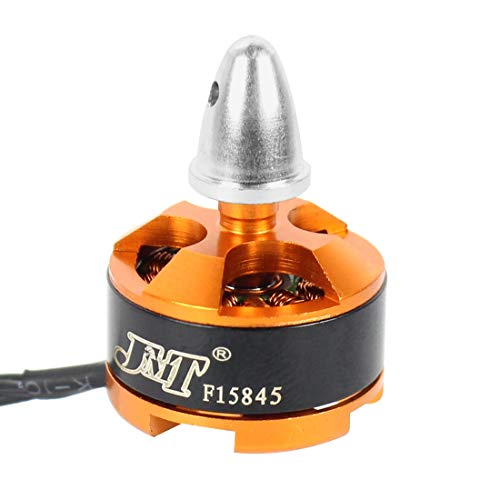
The JMT Mini Multi-Rotor motors are designed for compact builds with 2-3S LiPo configurations. Featuring CW and CCW variants with a 2400 KV rating and 18 mm stator diameter, these motors deliver strong torque and efficient performance for micro drones. Their symmetry helps reduce vibration during aggressive maneuvering while supporting reliable power delivery and quick spin-up for FPV or light aerial photography projects.
F450 Drone With Camera Flame Wheel Kit

The F450 Frame Kit combines a 450 mm frame with additional components aimed at enthusiasts seeking a ready-to-deploy platform for aerial photography or entry-level FPV setups. The kit emphasizes high-quality electronics, ease of installation, and versatile applications across industrial, automotive, and consumer electronics contexts. While it targets broader use cases, it remains a strong option for pilots upgrading to a more capable drone built around the F450 airframe concept.
Buying Guide: Key Purchase Considerations
When selecting components for a multi-rotor drone, consider compatibility, build intent, and future upgrade paths. Frames should match the intended payload, motor count, and propeller size to preserve stability and efficiency. ESCs must support the motor’s current draw, and the control system should handle the chosen flight protocols and sensor suite. Propeller choice affects thrust, efficiency, and noise, with larger props offering more lift but demanding robust motors and power systems. Gimbal and carbon fiber upgrades are ideal for aerial photography and stabilized footage. Always verify each part’s compatibility with your flight controller, battery chemistry, and overall frame geometry to maximize performance and safety.
In practical terms, a balanced kit features a sturdy frame like the F450, reliable ESCs with protective features, compatible high-quality props for the intended motor KV range, and optional upgrade components such as gimbals or additional carbon fiber elements. Beginners should prioritize ease of assembly, clear documentation, and readily available replacement parts, while advanced builders can push higher power setups with more specialized sensors or FPV gear. This approach helps ensure a smooth learning curve without sacrificing long-term upgrade potential.