Best Pro Skateboard Decks for Serious Skaters
This guide highlights top pro skateboard decks that cater to riders seeking premium construction, reliable pop, and American-made craftsmanship. Each deck brings distinct geometry, leverage, and style to street, park, and transition skating. The selections below focus on brands with strong pro pedigrees and durable materials, offering a balance of performance and value for everyday shredding.
| Product | Deck Width | Deck Length | Notable Feature |
|---|---|---|---|
| Powell Peralta Andy Anderson Heron Flight Deck | 8.45″ | 31.8″ | Flight Construction: Thinner, stronger, longer lasting |
| Powell Peralta Sakura Yosozumi Tiger Deck | 8.25″ | 31.95″ | Concave K20 with tapered nose/tail |
| [CCS] Cathedral Skateboard Deck | 8.25″ | — | 7-ply maple, symmetrical popsicle shape |
| Powell Peralta Skull & Sword Deck | 9.0″ | 32.95″ | Full nose & tail, K21 concave |
| Yocaher Pro Blank Deck | Various, up to 8.5″ | 31″ | Professional Canadian maple, 7-ply |
Powell Peralta Andy Anderson Heron Flight Deck
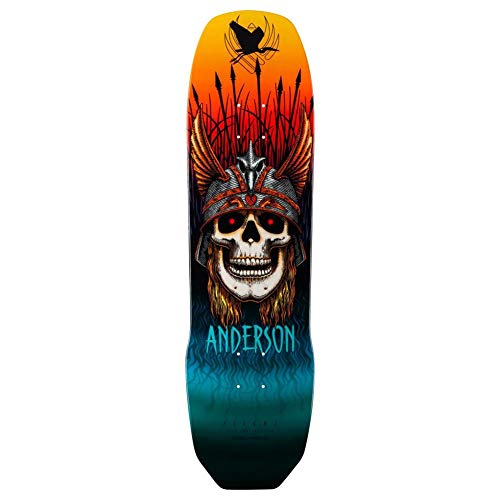
Deck Width and Length: 8.45″ by 31.8″ with a wheelbase around 14.25″. Nose and tail measure 6.68″ each, contributing to a balanced stance for tricks and stability. The Flight construction claims to be thinner, stronger, and longer lasting, using U.S. hard rock maple reinforced with high-strength fiberglass. Made in the USA, this deck targets skaters seeking a proven pro core with reliable pop and responsive feel for technical lines or big hits.
Engineering and materials: The deck integrates U.S. hard rock maple with fiberglass, aiming to deliver a responsive but sturdy platform. The geometry favors a traditional mid-wide feel, which helps with flicks and stability in vert and street sessions alike. This deck suits skaters looking for a recognizable pro lineage with a modern construction approach.
Powell Peralta Sakura Yosozumi Tiger Deck

Deck Width and Length: 8.25″ by 31.95″ with a wheelbase near 14.25″. Nose about 6.88″ and tail 6.63″. The shape 248 features a tapered nose and tail with concave labeled K20, providing a versatile platform for street and park skating. Powell Peralta taps into its team heritage with a design that balances flip tricks with steady grinds and transitions.
[CCS] Cathedral Skateboard Deck
![[CCS] Cathedral Skateboard Deck](https://m.media-amazon.com/images/I/317ccsu4i2L._SL500_.jpg)
Construction and shape: This 7-ply Canadian maple deck emphasizes a balance of flex and stiffness to support varied skating styles. The symmetrical popsicle shape with a double kicktail increases versatility for manuals, kickflips, and board control across diverse terrains. The deck is described for durability and skate-tested reliability, aiming to satisfy riders who prioritize a consistent cadence and feel.
Powell Peralta Skull & Sword Skateboard Deck

Deck Width and Length: 9.0″ by 32.95″ with a wheelbase of 15″. Nose 7″ and tail 6.75″. The full-nose-and-tail design (Shape 246) coupled with K21 concave supports aggressive terrains and big rail tricks while maintaining stability for speed runs and aerial maneuvers. As a classic Powell Peralta motif, the deck appeals to skaters seeking a bold, pro-level aesthetic with durable construction.
Yocaher Pro Blank Decks

Deck options and construction: Available in multiple widths up to 8.5″ and lengths around 31″. Built from Canadian maple with 7-ply construction, these professional decks emphasize durability and a medium concave with a symmetrical popsicle shape. They are positioned for skaters who want a blank canvas to customize or who prefer a standard pro-grade platform for cruising and tricks.
Buying Guide
Key considerations when choosing pro skateboard decks include width, length, and wheelbase alignment with your height and stance. Wider decks (8.25″–9.0″) generally offer more stability for taller riders or those who prefer a bigger platform for tricks, while narrower decks (7.5″–8.0″) favor quick flicks and technical street skating. Deck length influences tail height and leverage; longer boards increase stability but may reduce maneuverability for tech tricks.
Concave and camber are equally important. Higher concave (like K21 or K20) provides more foot control during flips and grind transitions, while a flatter concave offers a more forgiving feel for beginners and longer rides. Shape matters, too: symmetrical popsicle shapes excel in versatility, whereas fuller noses and tails support committed grinds and boost pop energy for aerial tricks.
Construction quality and materials affect durability and performance. Seven- or seven-plus ply decks balance weight and stiffness, with Canadian or North American maple ingredients ensuring pop retention over time. Some pro decks incorporate additional reinforcement (like fiberglass layers) to extend lifespan in aggressive skating environments. Consider your preferred riding style—street, park, or transition—and select a deck with geometry and materials that align with your goals.
Brand heritage and deck geometry can influence feel and response. Pro lines from Powell Peralta, CCS, Death, and Yocaher carry distinct aesthetics and construction philosophies. If you value a classic pro identity with proven performance, or you want a deck tailored to contests and street-only tricks, evaluating the listed features helps identify the best match for your setup.