Best Pull Toys for 1 Year Olds to Promote Walking and Motor Skills
Finding the right pull toys for a one-year-old can support early walking, balance, and sensory exploration. This guide highlights five educational, durable options designed to engage little builders and explorers. Each toy encourages crawling, standing, or walking while introducing sounds, colors, and cause-and-effect play. Below you’ll find quick comparisons, product highlights, and practical buying tips to help you choose toys that grow with your child.
| Product | Brand | Key Benefit |
|---|---|---|
| VTech Pull and Sing Puppy | VTech | Music, language prompts, fine motor skills |
| Hape Frog Pull-Along | Hape | Open mouth action; encourages crawling and walking |
| Fisher-Price Chatter Telephone | Fisher-Price | Numbers, ringing sounds, walking support |
| Hape Walk-A-Long Puppy | Hape | Coordination, balance, walking fun |
| Melissa & Doug Frolicking Frog | Melissa & Doug | Movement, sensory play, bright visuals |
VTech Pull and Sing Puppy
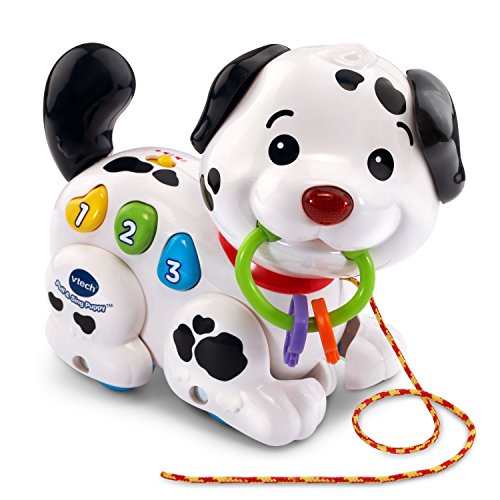
The VTech Pull and Sing Puppy combines gross motor practice with language growth. When the child pulls the cord, the puppy activates music and spoken words, reinforcing cause-and-effect play. Three colorful push buttons encourage fine motor development and offer additional opportunities to learn numbers, colors, and body parts. Designed for early walkers, this toy supports coordinated movement as kids pull the puppy along and respond to engaging prompts.
Hape Frog Pull-Along

This wooden frog pull toy features a mouth that opens and closes as the child pulls it along, adding a playful element to the walking journey. The design encourages crawlers to extend their reach and new walkers to explore balance while guiding the toy on its path. Its bright colors and simple mechanism make it a durable, travel-friendly companion for early development and imaginative play.
Fisher-Price Corn Popper Push Toy
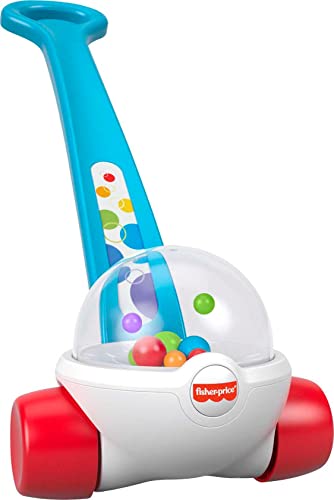
The classic Corn Popper features a push-along design with colorful popper balls that create engaging popping sounds as the toy is pushed. This motion-activated toy supports upright walking and coordinated movement, while the popping action entertains babies and toddlers alike. It’s a sturdy option for households prioritizing interactive, sensory-rich play that promotes steady steps.
Hape Walk-A-Long Puppy

Walk-A-Long Puppy is designed to boost coordination, balance, and physical strength as toddlers accompany the friend on walks. The toy’s friendly shape invites children to practice standing, stepping, and parallel movement, making it a reliable early-walking aid. The lightweight build and compact size suit small hands and busy households, encouraging independent exploration with a gentle, guiding feel.
Melissa & Doug Frolicking Frog

This wooden pull toy features a bright green frog that bounces and bobs as it is pulled along. The lively motion promotes movement and sensory development, helping toddlers refine gross motor skills while engaging visually with polka-dot accents. Its durable wooden construction supports long-term use, and the flexible pull string makes it easy for little hands to manage.
Buying Guide
Key considerations when choosing pull toys for a one-year-old include safety, durability, and how the toy supports motor and cognitive development. Look for sturdy materials with rounded edges, non-toxic finishes, and easy-to-grasp handles or cords. Toys should be lightweight enough for small hands but robust enough to withstand tugs and drops. Consider how the toy promotes a progression of skills—from crawling and standing to walking and balance—and whether it offers sensory prompts like sounds, bright colors, or moving parts.
- Developmental alignment: Choose toys that encourage gross motor skills (crawling, standing, walking) and fine motor skills (hand-eye coordination, button-pressing).
- Safety features: Avoid small parts, ensure non-toxic paints, and inspect joints for sharp edges. Strings and cords should be short enough to prevent strangulation risk.
- Durability and age appropriateness: Wooden toys tend to last longer and resist rough play, while plastic toys may be lighter and easier to clean.
- Engagement and learning value: Look for toys offering multiple modes—sound, motion, and visuals—to keep children stimulated and motivated to move.
- Maintenance and care: Check for easy cleaning, especially for toys used around crawlers and early walkers who explore with hands and mouths.
When comparing options, consider your child’s current mobility stage, space for play, and how often you plan to use the toy indoors versus outdoors. Some toys are better suited for sitting or stand-and-pull play, while others encourage continuous movement. Finally, assess how each toy integrates with daily routines and playtime, ensuring a consistent, enjoyable learning experience as your child grows.