Best Racing Drones for Beginners: Top Starter Kits for Quick Mastery
For newcomers to FPV racing, choosing the right kit can jump-start skill-building while keeping costs controlled. This guide highlights five beginner-friendly racing drones that balance ease of use with performance, featuring beginner modes, safe flight traits, and upgrade paths. Each option includes real-time video transmission, durable design, and practical flight modes to help beginners gain confidence quickly.
| Product | Brand | Key Benefit |
|---|---|---|
| APEX FPV Drone Kit | APEX | Low-latency FPV, beginner Altitude Mode |
| F108 FPV Racing Drone | STARDRONE | Optical flow positioning, turtle mode |
| Protos FPV Drone Kit | CADDXFPV | HD video, long flight time, multi-mode |
| PK01 Drone With Screen | RELIDOL | Built-in screen, gesture controls |
| EZ Pilot Indoor/Outdoor Racing | Tiny Hawk | Goggles included, altitude control |
APEX FPV Drone Kit With Goggles

Overview
The APEX FPV Drone Kit combines a beginner-friendly Altitude Mode with low-latency FPV goggles for an immersive experience. It supports manual freestyle in Manual Mode for advanced pilots, while Altitude Mode stabilizes flight for newcomers. A 120° wide FPV view enhances situational awareness during indoor and light outdoor sessions.
Key Features
- VR Immersive Flight Experience with 120° FPV
- Manual Mode for freestyle after proficiency
- Beginner Altitude Mode to maintain stability
F108 2.5 Inch FPV Drone Kit
Overview
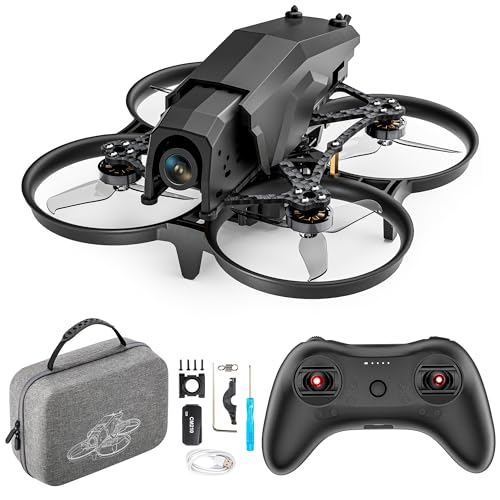
Designed for beginners and learners, the F108 emphasizes stable indoor and outdoor flight with Optical Flow Positioning and Fusion Altitude Hold. Its compact 2.5-inch frame makes it nimble yet forgiving, while pre-configured Smart Modes reduce initial learning curves.
Key Features
- Optical Flow Positioning for precise hover
- Altitude Hold and Stabilize modes for beginners
- Turtle Mode Recovery for easy recovery after flips
Protos FPV Drone RTF Kit

Overview
The CADDXFPV Protos FPV Drone Kit is compact yet capable, offering built-in Walksnail 6G VTX and 1080p/60fps HD transmission. Its light weight and three flight modes support both beginners and freestyle pilots, with rapid charge capability via a 3-battery hub for longer practice sessions.
Key Features
- 1.6-inch, 100g palm-size drone
- 6G VTX with HD 1080p/60fps
- Three flight modes and fast charging hub
PK01 Drone With Built-in Screen
Overview
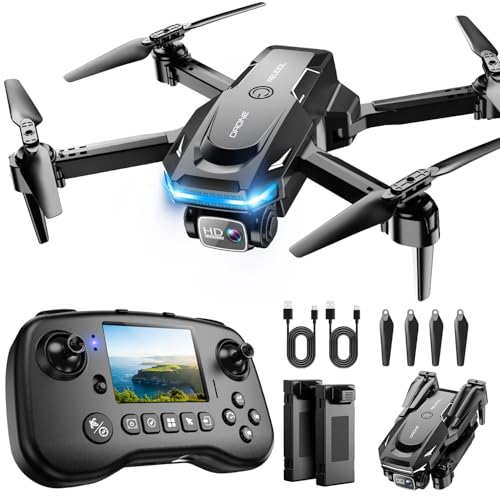
The PK01 emphasizes ease-of-use with a built-in screen on the remote, removing the need for a smartphone. It features gesture-based controls, 1080P camera, and a two-battery setup for extended sessions. The foldable design and tilt-capable camera support versatile shooting angles for beginners.
Key Features
- Remote screen for real-time viewing
- Gesture control and one-key takeoff
- Two batteries for extended flying time
EZ Pilot Indoor/Outdoor Racing FPV Drone
Overview
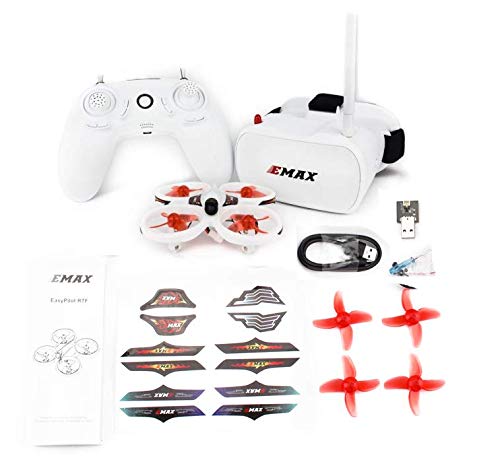
The EZ Pilot is built for beginners with Altitude Control and a real FPV experience via 5.8GHz goggles. It ships with goggles and controller, offering a stable start for learners while enabling one-stick flight practice and basic stunts in a controlled environment.
Key Features
- Altitude control for easy learning
- Real FPV with included goggles
- One-key takeoff and emergency stop
Buying Guide: Key Purchase Considerations
- Flight stability vs. agility: Beginners benefit from drones with Altitude Hold, Position Hold, or Turtle Mode to reduce crashes while learning basic hover, yaw, and roll controls.
- FPV system and latency: Look for low-latency 5.8GHz FPV systems and robust video links to minimize lag during training and hover control.
- Payload and weight: Lighter, smaller frames are forgiving but may be more sensitive to wind; heavier builds offer stability but require more skill.
- Battery life and charging: Starter kits with multiple batteries and fast charging hubs enable longer practice sessions without downtime.
- Goggles vs. screens: Built-in screens remove phone dependencies for beginners, while standard FPV goggles provide a more immersive view.
- Rescue and safety features: Turtle Mode, obstacle avoidance simulations, and emergency stop are valuable for quick recoveries and safer learning.
- Upgrade path: Choose kits that allow swapping motors, cameras, or VTX to scale from beginner to freestyle racing.
- Regulations and registration: In the US, certain drones require FAA registration; beginner kits often minimize compliance complexity for non-professional use.
- Portability and setup time: Foldable or palm-sized drones travel easily and reduce setup friction for on-the-go practice.
Across these five options, beginners can find a balance of approachable flight modes, robust safety nets, and modest yet expandable performance. When selecting a starter drone, prioritize the learning curve, available accessories, and how easily you can upgrade as skills grow. This approach helps ensure steady progress from hover to basic freestyle without overwhelming complexity.