Best Ride on Bikes for Toddlers: Safe First Wheels for Little Riders
Choosing the right ride-on for a toddler combines safety, development, and fun. The following picks cover early balance, steering learning, and age-appropriate design. Each option emphasizes stability, low to the ground riding, and lasting value as your child grows. Whether indoors or outdoors, these bikes help toddlers explore movement while building confidence and coordination.
Summary of selected products:
| Product | Brand | Target Age | Key Benefit |
|---|---|---|---|
| SEREED Baby Balance Bike (Green) | SEREED | 12–24 months | Sturdy aluminum frame, 135° turning, closed wheels for safety |
| XBONFOE Baby Balance Bike | XBONFOE | 10–24 months | Adjustable seat, wear-resistant wheels, indoor/outdoor use |
| newyoo Toddler Bike 4 in 1 | newyoo | 1–3 years | Five modes, parent steering, adjustable pedals |
| Radio Flyer Red Rider Trike | Radio Flyer | 2.5–5 years | Three-wheel stability, storage bin, easy transporting |
| Waddle Kids Motorcycle Balance Bike | WADDLE | 18 months–3 years | Wide wheelbase, foot-to-floor design, sound features |
SEREED Baby Balance Bike For Toddlers
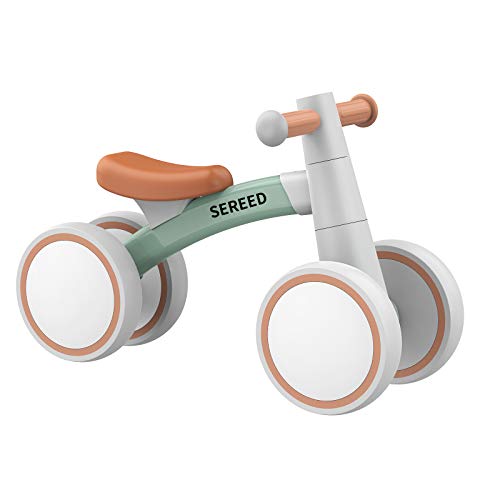
The SEREED balance bike is designed for the earliest riders, with a focus on balance, steering, and confidence building. The frame is lightweight yet sturdy, crafted to support toddlers as they learn to stand, walk, and glide. With no pedals, kids push with their feet and naturally develop balance control. The 135-degree turning limit and gravity steering help prevent tipping, making it safer for indoor and outdoor use. Non-slip wheels and a softly cushioned seat provide comfort during short practice sessions and longer playtime. The design aims to minimize clumsy falls while maximizing early mobility.
Key considerations include indoor wear resistance, ground clearance for smooth transitions, and a setup that accommodates quick adjustments as a child grows. Parents often value a ride-on that is easy to store, quick to assemble, and forgiving of enthusiastic first attempts. SEREED meets these criteria by pairing a robust frame with protective geometry and simple handling. For families seeking a gentle entry into early mobility without pedals, this option stands out for reliability and safety.
XBONFOE Baby Balance Bike 1 Year Old

The XBONFOE model emphasizes adjustability and stability, suitable for growing toddlers from roughly 10 to 24 months. It features an adjustable seat that lets the bike grow with the child, reducing the need for frequent replacements. The frame is built from sturdy aluminum alloy, and the wheels are wear-resistant with non-slip properties—ideal for both hardwood floors and tiled surfaces. The lack of pedals supports a gentle transition from crawling to walking to riding, with a focus on balance and coordination. The design also aims to protect floors by providing gentle, quiet operation indoors.
When selecting this bike, consider how easily you can adjust the seat height as your child grows and how the handlebars feel for tiny hands. The product’s emphasis on safe laying of feet on the ground and a steady, non-pedal ride helps teach balance without overwhelming a young rider. For families who want a bike that can be used across rooms or a small outdoor space, this option offers practical versatility and a calm first riding experience.
newyoo 4-in-1 Toddler Bike

The newyoo 4-in-1 toddler bike expands from a push tricycle to a pedal-equipped bike, offering a phased approach to learning. Five modes include push tricycle, push balance bike, traditional tricycle, balance bike, and a full bike mode. A 135-degree steering hinge helps caregivers control speed and direction, while a parent-adjustable push handlebar allows supervision from behind. The seat, handlebars, and pedals are adjustable, with quick transformations between modes as the child grows. This flexibility makes it suitable for households seeking a long-term solution that evolves with the child’s abilities.
Consider how the bike’s modes align with a child’s current skills and how easy it is for a parent to switch modes during practice. A key advantage is the ability to start with guided pushes and progress toward independent riding, all on one versatile unit. This model suits families who want one product to support developmental progression over several stages of early mobility.
Radio Flyer Red Rider Trike

The Radio Flyer Red Rider Trike offers a classic three-wheel design that prioritizes stability and ease of use for older toddlers. With a durable steel frame and an adjustable seat, this trike supports growth from early toddler years into preschool. The built-in storage bin is a practical touch for carrying small toys or treasures on daily strolls, enhancing the ride with a sense of independence and adventure. While not pedal-free like some balance bikes, the trike provides a stable, confidently controlled ride that builds confidence in steering and propulsion while remaining accessible for younger riders.
Parents will appreciate the lightweight design for transportability and the opportunity to ride on sidewalks, driveways, and safe outdoor spaces. The combination of durability, space for imagination, and a long-term growth path makes this trike a solid option for families who want a durable, classic feel with reliable performance.
Waddle Kids Motorcycle Balance Bike

The Waddle balance bike brings a playful motorcycle theme to early mobility, with a wide wheelbase and a foot-to-floor design that supports early standing and gentle pushing. The toy features sound elements to engage a child’s imagination and encourage movement. The wide wheelbase enhances stability, making it easier for toddlers to gain balance and confidence with their first wheels. The design emphasizes safety with a sturdy frame and non-slip handles, suitable for indoor use on smooth floors and outdoor play on safe surfaces.
When evaluating this option, consider whether your child responds well to themed ride-ons and how easily it can be introduced into playtime as a first rider. For families seeking a fun, attention-grabbing design that still prioritizes stability and safety, this model provides a balanced blend of imagination and practical mobility.
Buying Guide: Key Purchase Considerations
- Age and development alignment: Match the toy to your child’s current abilities—balance and motor skills, rather than just age labels. Balance bikes are excellent for early balance work, while trikes support seated confidence and steering practice.
- Stability and safety features: A low center of gravity, wide wheelbase, and pedal-free designs reduce tipping risk. Enclosed wheels and non-slip handles minimize foot injuries and slips on smooth floors.
- Adjustability: Seats, handlebars, and pedals (where applicable) should adapt as your child grows. This reduces the need for frequent replacements and extends the product’s usefulness.
- Indoor vs. outdoor use: Some models perform well on carpeted living rooms and hardwood floors, while others are designed for sidewalks and patios. Consider your typical ride environment and space.
- Durability and materials: Aluminum frames are light yet sturdy; steel frames offer durability but can be heavier. Check wheel materials and tread for wear resistance and floor-safety characteristics.
- Parent involvement: Some bikes include push handles, steering aids, or parent-controlled modes. Determine how much supervision you want during practice sessions and how easily you can adjust practice length.
- Future growth: If possible, choose a model with multiple modes or configurations that scale with your child’s development, reducing the likelihood of rapid replacement needs.
- Maintenance and assembly: Quick assembly, simple maintenance, and clear manuals save time and reduce frustration for busy families.
In evaluating these options, consider your living space, preferred play routines, and the pace at which your child develops balance and coordination. The best choice balances safety, adaptability, and long-term value, ensuring your toddler can enjoy moving confidently as they grow.