Best RTF Quadcopter for Beginners: Top Entry-Level Drones for Learning
Finding the right ready-to-fly quadcopter helps beginners build skills quickly and safely. This guide highlights five beginner-friendly models that balance stable flight, easy controls, and engaging features. Each option below offers an intuitive setup, helpful tutorials, and practical flight modes for new pilots exploring aerial photography and FPV fun. Read on to compare capabilities, so you can choose a drone that fits your learning path and budget.
| Product | Brand | Key Benefit |
|---|---|---|
| MCJDHJJ Drone with Camera for Kids | MCJDHJJ | 1080P camera, gesture control, gravity sensing |
| Aquila16 FPV Kit | BETAFPV | 8-minute flight, VR goggles, real-time video |
| Tinyhawk 3 PLUS+ RTF Kit | Tiny Hawk | Durable frame, beginner-friendly reputation |
| Tinyhawk 3 RTF Kit | Tiny Hawk | Ready-to-fly, versatile for beginners |
| Tinyhawk Lite FPV Drone Kit | Tiny Hawk | Real FPV experience, growth-friendly |
Each listed product emphasizes ease of use and dependable performance, making them solid choices for novices who want to learn basic piloting, aerial framing, and basic FPV concepts without complex setups.
MCJDHJJ Drone With Camera For Beginners

The MCJDHJJ drone is designed for beginners and adults alike, featuring a 1080P HD camera with a 90° adjustable angle for flexible shooting. Its stable FPV feed and real-time video via a connected app give new pilots a practical view of their flights. Gesture photo capture and gravity-controlled control add a playful dimension to training sessions, helping new users learn how different maneuvers affect camera angles and flight paths. The built-in brushless motor contributes to smoother, longer-lasting performance, especially in breezy conditions. Stunts such as 3D flips and Circle Fly provide approachable challenges for increasing skill, while auto-hover and precise stabilization help novices regain control after gentle slips.
Reference features: 1080P HD Camera, adjustable angle, Gesture Selfie, gravity control, 3D flip, Circle Fly, Auto Hover, Brushless Motor, Stable Flight.
Aquila16 FPV Kit With LiteRadio 2 SE

The Aquila16 FPV Kit is a compact entry-level system that pairs an 8-minute flight capability with a real-time video experience. It includes VR03 goggles with DVR for recording flights, a high-power, low-latency video transmission system, and a 4.3-inch LCD display for on-the-go viewing. Beginners benefit from a forgiving flight envelope in Normal/Stable modes, with the option to switch to more dynamic modes as skills develop. Proper care must be taken with cable connections to maintain camera signal reliability, especially after bumps or crashes.
Reference features: 8-minute flight, VR03 FPV goggles with DVR, 350mW video transmission, 4.3-inch LCD, stable signal up to ~200 meters, 58G 3dBi antenna.
Tinyhawk 3 PLUS+ RTF Kit For Beginners

This kit combines a durable, lightweight frame with a ready-to-fly package that includes a controller and FPV goggles. It is well-regarded for beginners who want a reliable stepping stone into more advanced FPV flying while maintaining a forgiving flight profile. The TH3 family has a strong reputation for balancing rugged design with accessible performance, making it a popular choice for learners who expect occasional bumps and crashes during practice sessions.
Reference features: Durable frame, beginner-friendly reputation, ready-to-fly package, controller, FPV goggles.
Tinyhawk 3 RTF Kit For Beginners
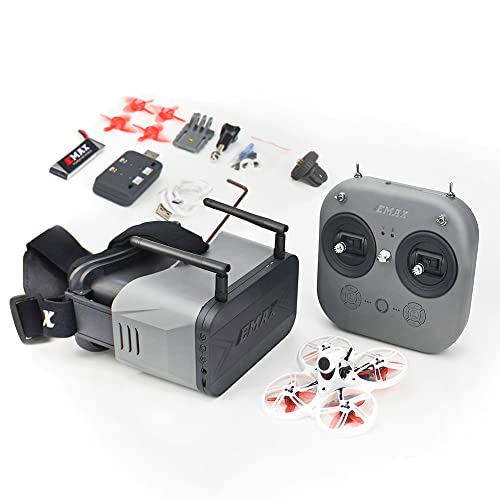
This Ready-To-Fly kit emphasizes simplicity and quick setup, ideal for beginners who want to minimize prep time before flights. The kit’s flexible plastics add durability, helping new pilots practice without worrying about damage from common beginner mistakes. It supports easy transitions from basic line-of-sight piloting to more immersive FPV experiences as confidence grows, which is a key driver for progressive learning in aerial flight and camera handling.
Reference features: Ready to fly, beginner-friendly, durable plastics, quick setup, scalable for FPV growth.
Tinyhawk Lite FPV Kit With Camera
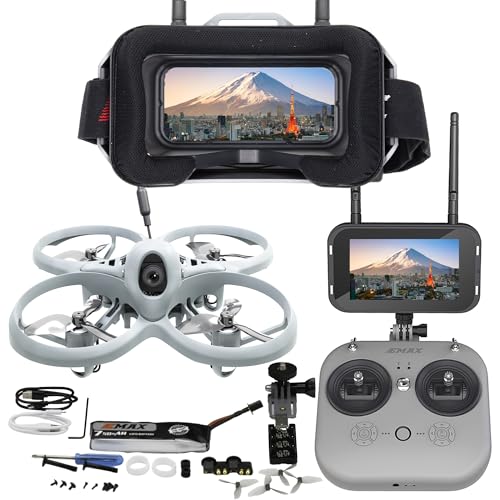
The Tinyhawk Lite FPV drone kit provides a more authentic FPV flying experience with real-time video to a lightweight setup. It includes Betaflight-configurable options that allow new pilots to tune flight characteristics and gradually grow into more precise handling. The kit’s lighter weight and compact dimensions make it suitable for indoor training and small-space practice, while still offering a pathway to bigger, faster FPV drones as skills advance. The included RunCam Nano 3 VTX ensures compact yet capable video transmission for beginners exploring FPV routes.
Reference features: Real FPV experience, Betaflight configuration, longer flight potential with optimized 1S battery, compact weight, beginner-friendly tuning.
Buying Guide for RTF Quadcopters For Beginners
When choosing a ready-to-fly quadcopter as a beginner, consider these factors to balance ease of use with growth potential:
- Stability and ease of use: Look for drones with stable flight characteristics, altitude hold, and headless or beginner modes to reduce initial learning friction.
- Camera and FPV: Decide whether you want first-person view (FPV) experience early or prefer line-of-sight practice first. For FPV, ensure the kit includes goggles and a reliable transmission link suitable for beginners.
- Flight time and battery type: Shorter flights are common in beginner drones; choose models with replaceable batteries and accessible charging options to maximize practice time.
- Durability: Plastic frames and protective guards help withstand inevitable crashes, enabling longer learning sessions without frequent repairs.
- Upgrade path: Some kits offer Betaflight or configurable flight controllers, allowing pilots to progressively tune performance as skills improve.
- Support and tutorials: Look for manufacturers or communities with abundant tutorials, replacement parts, and friendly troubleshooting resources to shorten the learning curve.
- Size and indoor suitability: Smaller drones with gentle outdoor operating envelopes are ideal for beginners practicing in backyards or indoor spaces with limited room.
- Safety and regulations: Understand local guidelines for flying drones, including altitude limits and identifying zones where FPV requires a spotter or additional permissions.
In practice, beginners often start with a model that offers stable hover, simple controls, and a quick path to more advanced maneuvers. As skills grow, pilots can experiment with longer flight times, higher speeds, and more complex FPV setups. Always start in a safe, open area away from people and obstacles to minimize risk during learning.