Best Safe Play Sand for Sandbox: Top Low-Dust, Non-Toxic Picks
Choosing the right play sand for a sandbox or sensory setup is essential for safety and enjoyment. The following selections emphasize low dust, non-toxic materials, and consistent textures that are easy for kids to mold and explore. Each option is suitable for home use, daycare settings, or therapeutic activities, offering reliable performance across indoor and outdoor environments.
| Product | Brand | Type | Approx. Size | Highlights |
|---|---|---|---|---|
| Palmetto Soft-Texture Fine Play Sand | PALMETTO | Fine, low-dust | 50 lb | Gentle on hands; sensory-friendly; promotes motor skills |
| Quikrete Sandbox Play Sand | Quikrete | Washed, dried, screened | 50 lb | Premium safety and texture; ideal for sandboxes |
| Classic Sand and Play Sand | CLASSIC SAND & PLAY | Natural, non-toxic | 20 lb | Premium-grade, versatile for therapy and crafts |
| U.S. Silica Large 50 Pound Play Sand | U.S. Silica | Fully washed, fine | 50 lb | High-quality, durable; holds shape well |
| Sun Joe Silica Play Sand | Sun Joe | Ultra-clean silica | 50 lb | Versatile for sandboxes, sensory tables, gardens |
The selections above are curated to balance safety, usability, and value. They are suitable for children across a wide age range and can support a variety of activities, from building castles to sensory play trays. When evaluating options, look for washed, free-flowing sand with minimal dust and no added toxins or harsh chemicals. The following sections offer deeper considerations to help you choose the best fit for your space.
Palmetto Soft-Texture Fine Play Sand

Palmetto’s offer emphasizes a gentle, low-dust composition designed for tactile-friendly experiences. The packaging supports large-scale play areas, making it a practical choice for backyards and classrooms. The sand is described as free from pebbles and harmful additives, promoting safe exploration for toddlers and older children alike. This product aligns with sensory play goals, encouraging children to dig, pour, and sculpt, which can support motor skill development and coordination. For parents seeking a natural, creme-colored option, Palmetto provides a consistent texture that resists compaction while remaining easy to clean up after play sessions.
Key considerations include dust management, which affects indoor use and allergy sensitivity, and the sand’s ability to retain shape during wet play. If you want a widely compatible option for sensory trays or outdoor projects, Palmetto’s sand is a solid, low-dust choice that supports a broad range of activities—from sandbox adventures to creative decorating projects.
Quikrete Sandbox Play Sand

Quikrete’s sandbox sand is specifically processed through washing, drying, and screening to deliver a clean, safe play material. This option is well-suited for families prioritizing purity and texture consistency in nursery or classroom settings. The thorough cleaning process removes debris and potential contaminants, contributing to a healthier play environment. The product’s medium-grain texture typically holds up well to molding and building activities, allowing kids to sculpt with minimal frustration. It’s also a reliable choice for therapists and educators who implement sand-based activities as part of therapy or curriculum.
Considerations include the balance between dust control and the need for a grain size that supports fine motor tasks. Some users prefer slightly finer textures for younger children, while others value a grain that remains stable when wet. Quikrete’s option commonly satisfies both requirements, providing a dependable, low-risk sandbed for playful learning.
Classic Sand And Play Sand
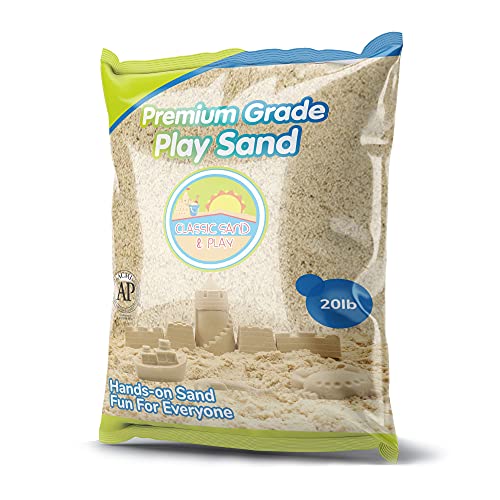
Classic Sand & Play offers a premium-grade option intended for both indoor and outdoor use. The product is described as soft, non-toxic, and washed to remove impurities, providing a safe playground for early learning activities. This sand is particularly suitable for sensory trays, sand tables, and therapy environments where caregivers seek reliable texture and minimal dust. The brand emphasizes imagination and creativity, pointing to its role in helping children develop spatial awareness and hand-eye coordination through pouring, molding, and structuring projects.
In practice, this sand performs well for wet-cast building and dry construction alike. Its natural composition makes it a versatile medium for a range of crafts beyond simple sandbox play, such as tabletop displays or classroom activities. For guardians focused on safe, clean materials with broad educational benefits, Classic Sand & Play presents a compelling option.
U.S. Silica Large Play Sand

U.S. Silica’s large-pack option stresses a high-quality, durable sand that is fully washed and ready for use in a variety of settings, including sandboxes and sensory trays. The product’s soft, moldable texture supports hands-on activities and reduces friction during sculpting or building sessions. It is packaged for convenient bulk use, which can be advantageous for families with larger play areas or community spaces. The emphasis on safety is evident in the non-toxic composition and the absence of harmful chemicals, making it suitable for repeated exposure in homes and classrooms alike.
When choosing this sand, consider the long-term maintenance implications, such as cleanup ease and the potential for dust during initial use. Fully washed sands typically reduce settling dust, aiding clean-up and ongoing maintenance in both indoor and outdoor environments. For families seeking a reliable, bulk option that consistently performs, this sand is a practical selection.
Sun Joe Silica Play Sand

Sun Joe’s silica play sand emphasizes natural, high-quality composition with a soft, smooth texture that is ideal for molding, digging, and sculpting. The ultra-clean, white sand is versatile for sandbox applications, sensory tables, gardens, and art projects, making it a robust all-around choice. The product’s fine grain size supports detailed building and crafts, enabling kids to create intricate sand structures with relative ease. Its suitability for both indoor and outdoor activities makes it a dependable option for mixed-use play spaces.
Consider texture preferences and dust considerations when evaluating this choice. The ultra-clean claim suggests reduced impurities and a more predictable play surface, though some households may prefer slightly coarser grains for specific projects. For families seeking a well-rounded, aesthetically neutral sand for diverse activities, Sun Joe offers a compelling option.
Sandpiper Multiuse Play Sand (50 Lbs)
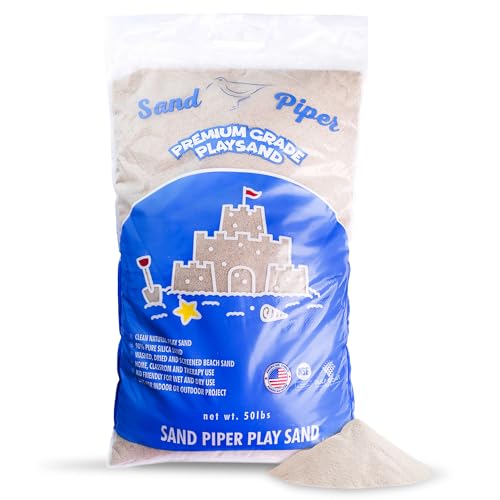
Sandpiper’s multiuse sand emphasizes safe, clean materials with a consistent silica content of about 99%. The sand is designed for both indoor and outdoor use, supporting a wide range of activities from sandboxes to sensory bins and classroom crafts. The thorough washing ensures fewer impurities, contributing to a dependable play surface that holds its shape well during wet and dry activities. Its versatile grain size and uniform texture make it suitable for building robust sand structures, castles, and imaginative creations.
The product is positioned for varied environments, including therapy settings where consistent texture matters for tactile focus and motor skill practice. Users should consider whether they need a larger bag for ongoing projects or a lighter option for smaller play spaces. The Sandpiper line provides a consistent, user-friendly choice for households seeking adaptable sand for multiple uses.
Sandpiper 25 Lbs Play Sand

Another Sandpiper option, available in a smaller 25-pound size, offers the same safety and cleaning standards as the larger bag with a compact footprint. This makes it ideal for smaller play spaces, classrooms, or households that want to replenish sand in stages. The product’s features emphasize safe, clean play with soft texture and consistent grain sizes, supporting the development of fine motor skills and creative play. The smaller bag is convenient for trial runs or limited-use projects while retaining the same quality and assurance that customers expect from Sandpiper.
For buyers balancing budget, space, and usage frequency, a smaller quantity can be a practical stepping stone to determine preferred texture and performance in a given environment before committing to a larger bag.
Buying Guide: Key Purchase Considerations
When selecting safe play sand for a sandbox or sensory setup, consider these core factors:
- Safety and purity: Look for products labeled non-toxic, with explicit washing or screening processes that remove debris and impurities. A low-dust claim is particularly important for indoor use and for households with allergies or respiratory sensitivities.
- Texture and grain size: Fine textures are easier to mold for toddlers, while slightly larger grains may resist clumping when wet. Consider the age range and intended activities to determine the best balance between softness and workability.
- Maintenance and cleanup: Sand that sheds less dust and clumps less will be easier to sweep and store. Fully washed and dried sands typically reduce cleanup time and dust dispersion.
- Application versatility: If you plan to use the sand for crafts, therapy trays, or educational activities, choose a product with a consistent texture and reliable pourability across different settings.
- Packaging and quantity: For larger play areas or frequent use, bulk bags (like 50 lb) provide value and reduce refill frequency. Smaller bags may suit limited spaces or initial trial runs.
- Environmental considerations: Some sands are marketed as natural and biodegradable, while others emphasize industrial-grade cleanliness. Assess your priorities—home safety, classroom standards, or therapeutic goals—to guide the purchase.
- Cost-per-use: While price is a factor, evaluate the total cost against the expected duration of use, maintenance needs, and the potential for reuse in adjacent activities (gardening or DIY crafts).
In summary, selecting the best safe play sand depends on balancing safety, texture, and space. The listed options provide a spectrum of textures and packaging sizes, all designed to support engaging and constructive play experiences for children in various environments. For most families, starting with a well-reviewed, low-dust, washed sand from a trusted brand will establish a reliable baseline for future expansions or complementary play materials.