Best Sand for Sensory Tables: Safe, Soft Options for Kids
Discover top sands designed for sensory play, therapy trays, and classroom activities. This guide highlights five high-quality options that are gentle on hands, low-dust when possible, and suitable for various ages. Each product section includes a quick overview, key features, and practical uses to help you choose the right texture, color, and packaging for your sensory table setup.
Summary Table of Selected Products
| Product | Brand | Notable Features | Usage |
|---|---|---|---|
| Palmetto Soft-Texture Fine Play Sand | PALMETTO | Low-dust, silky smooth, free from pebbles | Sensory tables, sandboxes, indoor/outdoor play |
| Kinetic Sand, Beach Sand | Kinetic Sand | Natural sand, sticks together for easy cleanup | Sensory bins, creative play, gifts |
| Sun Joe Silica Play Sand | Sun Joe | Ultra-fine, natural white silica, versatile | Sandboxes, therapy, art projects |
| Hygloss Colored Sand | Hygloss | Vibrant colors, multi-season crafts | Sand art, decorations, gifts |
| Chuckle & Roar Sensory Dream Sand | Chuckle & Roar | Soft, squishy, non-drying | Sensory bins, calm play, classrooms |
Palmetto Soft-Texture Fine Play Sand

PALMETTO’s sand is designed for indoor and outdoor play, making it ideal for sensory tables and sandboxes. Its silky, low-dust texture minimizes debris and pebbles, supporting a safe sensory experience for toddlers and older children. The sand’s gentle feel helps develop motor skills as kids dig, pour, scoop, and mold, supporting therapy trays and craft activities.
Kinetic Sand, Beach Sand
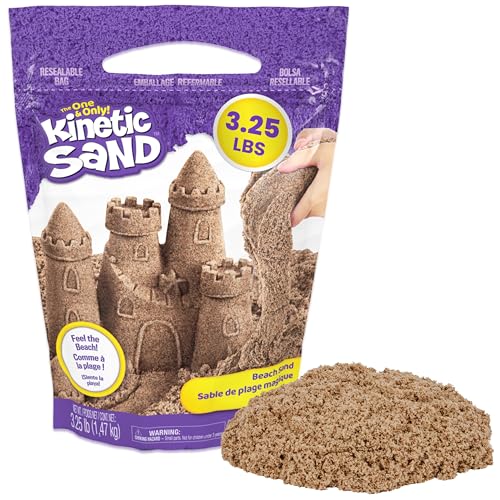
Kinetic Sand provides a unique, cohesive texture that “sticks” together for easy shaping and cleanup. This 3.25-pound bag is a popular choice for sensory bins and art activities, encouraging creative play while maintaining a neat environment. The sand is made from natural materials and is designed to be safe for pretend play and crafts.
Sun Joe Silica Play Sand

Sun Joe offers ultra-fine, natural white silica sand that provides a soft, smooth texture ideal for molding, digging, and sculpting. This versatile option works well in sandboxes, sensory tables, therapy sessions, gardens, and art projects, supporting tactile exploration and fine motor development for users of all ages.
Hygloss Colored Sand

Hygloss Colored Sand features a rainbow of colors suitable for festive crafts, holiday decorations, and multi-season sand art. The ultra-fine texture makes it ideal for layered projects in bottles, jars, or jars, and is safe for ages 3 and up. It’s a strong option for sensory-based color experiments and decorative displays.
Chuckle & Roar Sensory Dream Sand

Chuckle & Roar Dream Sand is designed for a soft, squishy sensory experience that remains pleasantly pliable without drying out. This 2-pound container is well-suited for small sensory trays, encouraging imaginative play without leaving residue on surfaces, and is appropriate for children 3 and older.
Buying Guide: Key Purchase Considerations
When selecting sand for sensory tables, consider texture, dust level, safety, and the intended environment. For homes with toddlers, low-dust or dust-reducing formulas help maintain cleanliness and air quality. For classroom or therapy use, look for long-lasting textures that don’t dry out or crumble easily, and assess how easy cleanup will be in shared spaces. Color options can boost engagement and learning, but ensure dyes are non-toxic and safe for kids. Packaging size matters for ongoing projects and multiple tables. Finally, versatility—sand that can be used for molding, art, and garden crafts—offers the best long-term value.
Texture and safety: Choose silky, fine grains for gentle tactile feedback and minimal irritants. Natural materials reduce exposure concerns, especially for younger children. Cleanup: Sands that clump or stick together (like Kinetic Sand) can simplify tidy-up, while loose, fine sand may require mats or trays to minimize mess. Sensory development: Sand that supports motor skills—pouring, digging, shaping—helps with hand-eye coordination and spatial awareness. Color and presentation: Colored sand can enhance learning activities, storytelling, and seasonal crafts; ensure colors are colorfast and non-toxic. Packaging and quantity should align with table size, frequency of use, and whether the setup is portable or stationary.
Use case guidance: For home sensory tables, Palmetto’s low-dust sand offers a gentle experience, while Kinetic Sand adds a distinctive, cohesive feel for creative builds. In educational settings, Sun Joe’s ultra-fine silica sand provides versatility across therapy, art, and gardening projects. Hygloss colored sand opens opportunities for decorative and seasonal crafts, and Chuckle & Roar Dream Sand offers a soft, non-drying option for extended sensory play without surface residue. Always supervise young children during play and maintain regular cleanup routines to preserve a tidy and safe learning space.