Best Science Sets for 10 Year Olds: Fascinating Kits for Young Explorers
Finding the right science kit for curious 10-year-olds blends hands-on fun with real learning. The following selections focus on chemistry, earth science, and engineering—areas that spark experimentation, critical thinking, and a love of STEM. Each kit is designed to be approachable yet challenging enough to grow with a keen learner.
Summary Table
- Blue Marble National Geographic Magic Chemistry Set
- National Geographic Amazing Chemistry Set
- National Geographic Stunning Chemistry Set
- National Geographic Mega Science Lab
- Lucky Doug Solar Power Kits
Blue Marble National Geographic Magic Chemistry Set
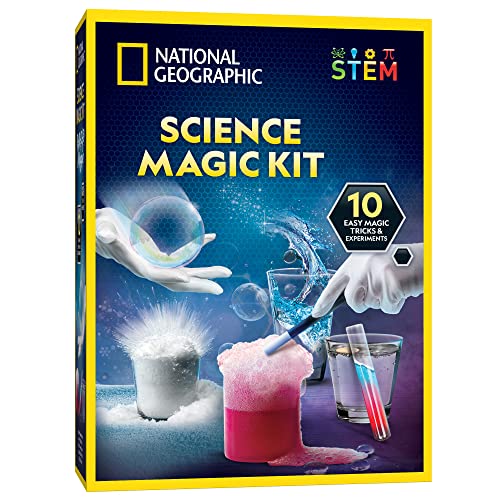
The Magic Chemistry Set combines entertaining science with magic-themed demonstrations that captivate young learners. It features 10 engaging experiments designed to spark curiosity, including color-changing reactions and other visually striking effects. A magic wand and gloves enhance the theatrical experience, while the illustrated guide explains the science behind the tricks. This kit aims to blend wonder with foundational chemistry concepts in an accessible format for kids ages 8–12.
National Geographic Amazing Chemistry Set

This kit offers more than 100 experiments, emphasizing hands-on chemistry exploration. Kids can grow crystals, observe color changes, and perform reactions that produce visible results like glowing tubes and bubbly solutions. The set includes enough materials to conduct 15 major experiments, accompanied by a bonus guide with 85 additional experiments. Clear, kid-friendly explanations connect experiments to core chemical principles, supporting independent exploration and guided family learning alike.
National Geographic Stunning Chemistry Set

With 45 experiments and kid-friendly instructions, this mega chemistry kit invites kids to create erupting volcanoes, launch a rocket, and explore a variety of chemical reactions. The instructions include illustrations and interesting insights into the chemistry behind each activity, helping learners connect practical experiments to theoretical ideas. The kit also includes materials to explore earth science and simple magic STEM projects, broadening the scope beyond pure chemistry.
National Geographic Mega Science Lab
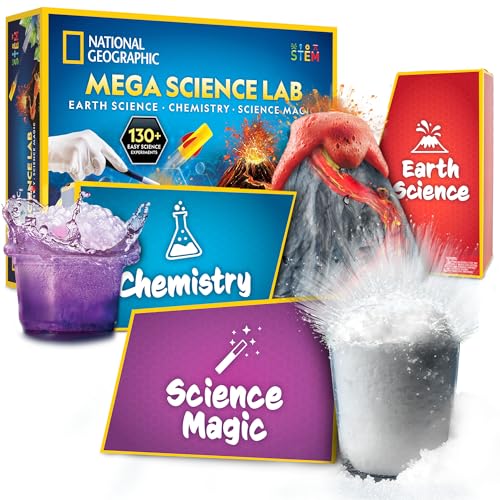
This triple-kit bundle combines earth science, chemistry, and magic STEM projects into one comprehensive experience. It includes a broad array of experiments, genuine rock and mineral specimens, and a bonus guide with additional activities. By mixing hands-on activities—like building a volcano and conducting chemical reactions—with scientific explanations, it supports a well-rounded science education approach suitable for 10-year-olds who enjoy variety and discovery.
Lucky Doug Solar Power Kits
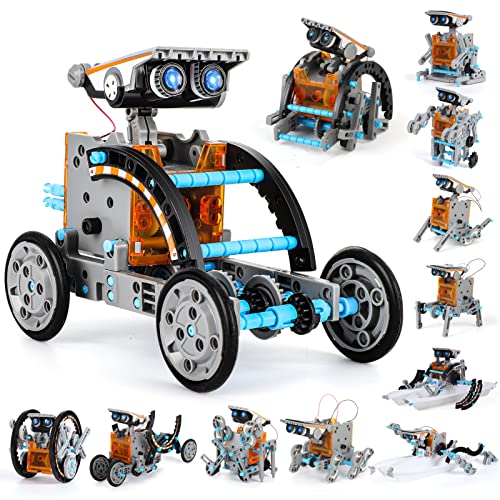
This solar-powered robotics kit offers a 12-in-1 design, enabling kids to build multiple robots that crawl, roll, or float under sunlight. The emphasis on solar energy introduces renewable technology concepts and practical engineering skills. Clear instructions guide youngsters through assembly, and parts are designed for safe, hands-on experimentation. It provides a robust STEM learning path for children who enjoy building, problem solving, and independent exploration.
Buying Guide: Key Purchase Considerations
- Age appropriateness: Choose kits labeled for 8–12 years to align with typical 10-year-olds’ developmental level and safety considerations.
- Learning goals: Identify whether your child is more curious about chemistry, physics, or engineering, and select kits that emphasize those areas.
- Hands-on complexity: Look for a balance between straightforward projects and challenges that progressively build skills, keeping motivation high without frustration.
- Materials and safety: Prefer kits that include all necessary materials and come with clear safety guidelines and non-toxic components.
- Instruction quality: Illustrated, kid-friendly manuals with explanations help sustain independent learning and strengthen scientific reasoning.
- Expansion potential: Kits with bonus guides or additional experiments encourage extended learning beyond the initial set.
- Durability and reuse: Consider whether parts are reusable or modular, enabling multiple builds and experiments over time.
- Storage and organization: Kits with organized containers or dedicated trays reduce clutter and support ongoing projects.
Across chemistry, earth science, and renewable-energy themes, the selections noted provide varied pathways to scientific exploration. Each option supports hands-on learning, helps develop problem-solving abilities, and offers opportunities to connect experiments with fundamental science concepts. Parents can balance short, impressive activities with longer projects to maintain curiosity and foster sustained engagement in STEM.