Best Small Bicycles for 3 Year Olds in 2026
Choosing the right small bicycle for a 3-year-old involves safety, adjustability, and fun. This guide highlights five highly-rated options designed to help toddlers transition from balance bikes to pedal bikes with confidence. Each model emphasizes sturdy frames, easy height adjustments, and kid-friendly features that support early riding skills without overwhelming your little rider.
Summary of chosen products:
| Product | Brand | Age Range | Key Features |
|---|---|---|---|
| KRIDDO Toddler Balance Bike | KRIDDO | 24 Months – 5 Years | Removable customization plate, soft grips, carbon-steel frame, supports up to 110 lbs |
| JOYSTAR 12 Inch Kids Bike with Training Wheels | JOYSTAR | 2 – 4 Years | Training wheels, DIY decal, chain guard, adjustable saddle |
| Ridego 14 Inch Balance Bike | Ridego | 3 – 6 Years | Air rubber tires, lightweight nylon frame, adjustable seat |
| Umatoll Toddler Balance Bike | Umatoll | 2 – 5 Years | Tool-free adjustments, adjustable seat/handlebar, no-pedal balance |
| JOYSTAR 12 Inch With Training Wheels & Basket | JOYSTAR | 2 – 4 Years | Training wheels, basket, DIY decals, durable steel |
KRIDDO Toddler Balance Bike For 2–5 Years
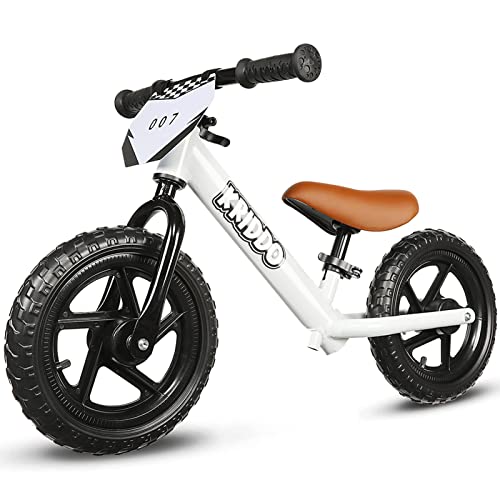
The KRIDDO balance bike is designed for early riding experiences with a sturdy, wide carbon-steel frame capable of supporting up to 110 lbs. It targets children as young as 24 months through age five, helping them push, stand, and walk to build balance and coordination. A removable customizable plate lets kids personalize their bike, which can increase enthusiasm and confidence during practice sessions. The handlebars feature soft grips, and a soft PU seat adds comfort for longer playtime. This model emphasizes safety and stability without pedals, encouraging a natural progression toward pedal bikes as balance improves.
JOYSTAR 12 Inch Kids Bike With Training Wheels

This JOYSTAR model is built for early riders with stable training wheels and a quick-release seat height adjustment. The bike includes a rimmed brake setup and a chain guard for safety. A DIY decal set lets kids customize their ride, turning practice into a playful art project. The steel frame is backed by a limited lifetime warranty, ensuring durability through rough-and-tumble use. For many families, the combination of easy height adjustment, reliable brakes, and protective features makes it a practical first pedal-bike transition tool.
Ridego 14 Inch Balance Bike For Kids

The Ridego 14-inch balance bike is designed for children aged roughly 3 to 6 years. It features a lightweight glass-reinforced nylon frame, a responsive steering geometry, and air-filled rubber tires for superior shock absorption on varied surfaces. With a weight capacity up to 110 lbs yet weighing only about 8.16 lbs, it’s easy for caregivers to handle and for kids to maneuver. The absence of pedals encourages natural balance-building movements, and the adjustable seat helps accommodate growth and comfort during progression to a pedal bike.
Umatoll Toddler Balance Bike With Adjustments

The Umatoll balance bike combines a sturdy carbon steel frame with soft grips and a comfortable seat to deliver safe, controlled riding for ages 2 to 5. Its standout feature is tool-free adjustment for both seat height and handlebar height, making it quick to adapt as your child grows. The no-pedal format accelerates balance development and steering control, establishing a smooth transition path toward a pedal bicycle in the coming years. The design emphasizes safety and ease of use, appealing to parents seeking low-maintenance options.
JOYSTAR 12 Inch Bike With Training Wheels And Basket

This vintage-style JOYSTAR bike is built for toddlers ages 2 to 4 and includes removable training wheels and a charming basket. It features an adjustable saddle and stem height, enabling a tailored fit as your child grows. The enclosed chain guard reduces the risk of injury as little riders learn. The frame is hi-ten steel for durability, and the bicycle is backed by a lifetime warranty on the frame. The included decals add a playful, personal touch that can boost a child’s excitement for riding while learning basic balance and coordination.
SEREED Toddler Balance Bike 2 Year Old

The SEREED balance bike blends a sturdy carbon steel frame with a low starting seat height and a wide range of adjustments. It supports up to 110 lbs, ensuring stability during the critical balance-building phase. Quick-release mechanisms allow tool-free adjustments to seat height (12.6–17.1 inches) and handlebar height (19.6–22.5 inches). As a no-pedal bike, it emphasizes balance and steering practice, making the transition to a pedal bike smoother. The included customization plate and stickers offer a fun way for kids to make the bike their own.
Buying Guide: Key Purchase Considerations
- Age and size compatibility: For a 3-year-old, prioritize bikes with adjustable seats and handlebars that accommodate growing height. Balance bikes support early balance skills, while pedal-ready designs may be appropriate once balance improves.
- Safety features: Look for wide tires or tires with good grip, a stable frame, soft grips, a comfortable saddle, and a protective chain guard. Training wheels can reduce initial fear for pedal bikes.
- Adjustability and longevity: Tool-free height adjustments save time as children grow. A frame designed to support increasing weight and height extends the bike’s usable life.
- Weight and manageability: Lighter bikes are easier for parents to carry and for kids to maneuver. Balance bikes typically weigh less than pedal bikes, aiding early riders.
- Personalization options: Customization plates, decals, and stickers can increase engagement and motivation to practice riding skills.
- Maintenance: Fewer moving parts and simple brake setups reduce upkeep. A chain guard protects little fingers during learning.
- Durability and warranty: Steel frames and high-quality components matter for toddlers who may crash or drop bikes during practice.
- Transition path: Start with balance and steering practice, then introduce pedals and a hand brake as confidence grows. A bike that supports this progression is ideal.
When selecting, weigh the balance-between-safety and growth potential. For some families, starting with a balance bike and moving to a pedal bike later is the simplest path. Others may prefer a 12-inch bike with training wheels for rapid progression. All models in this guide emphasize kid-friendly design, adjustable components, and thoughtful safety features aimed at making learning to ride an enjoyable and confidence-building experience for both children and caregivers.