Best Speed Cube 2×2: Top 5 Picks for Every Solver
Whether you’re chasing faster times, practicing algorithm efficiency, or simply enjoying a satisfying pocket puzzle, a quality 2×2 speed cube can make a world of difference. The following selections cover standout performance, tuning options, and accessibility for beginners through experts. Read on to explore five top-rated 2×2 cubes, each with unique strengths to fit different play styles and goals.
Summary of Selected Products
| Product | Brand | Key Strengths |
|---|---|---|
| BestCube 2×2 Cube Qidi | BestCube | Stickerless; beginner-friendly; solid stability |
| Qidi Speed Cube 2×2- Stickerless | Little golden elephant | Sturdy design; educational value; strong stability |
| GAN 249 V2 | GAN | Lightweight; Easy tuning; bright colors for speed |
| TANCH QIYI Speed Cube 2X2X2 | TANCH | Fast turning; anti-pop; durable |
| GAN 251 V2 | GAN | GES+ tuning; larger size; vibrant stickerless |
BestCube 2×2 Cube Qidi – Stickerless

The BestCube 2×2 Qidi renders a reliable entry into speedcubing with a stickerless exterior designed for smooth, quiet turns. Its construction emphasizes stability and consistency, making it a strong choice for newcomers and enthusiasts alike. The cube’s geometry contributes to predictable corner cutting and minimal lockups, helping players develop muscle memory without harsh feedback. While not the lightest option, its balance of weight and grip supports long sessions and practice drills.
Qidi Speed Cube 2×2 – Stickerless

Designed to be educational and engaging, this 2×2 from Little Golden Elephant emphasizes stability and a clean turning feel. The ABS plastic body provides durability and a smooth surface for quick finger work. Features highlighted by reviewers include a secure cross-shaft design, anti-pop reliability, and a speed-focused magnet-free feel that suits a broad range of skill levels. It blends traditional puzzle play with practical, steady performance for practice at practice routines and timed sessions alike.
GAN 249 V2 – 2×2 Speed Cube
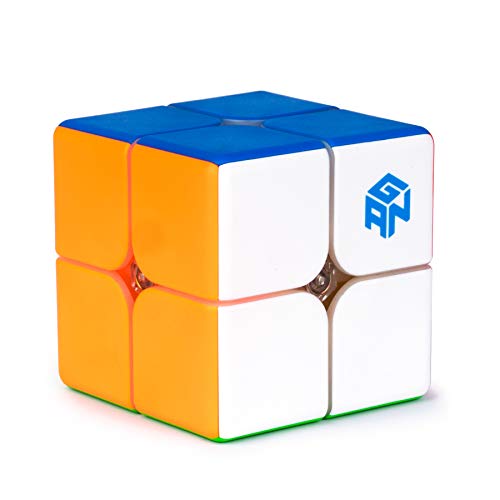
GAN 249 V2 is a benchmark in modern 2×2 speed cubes. Its honeycomb corner contacts and IPG core contribute to a smoother, more controllable turning experience. The stickerless color scheme enhances color recognition during high-speed solves, while tunability via the GES+ system allows quick adjustments for tension, magnet strength, and responsiveness. This model is favored by competitors seeking precise control, fast turning, and reliable stability under pressure.
TANCH QIYI Speed Cube 2x2x2 No Stickers

From the TANCH line, this model emphasizes recyclable, safe ABS material and an improved anti-pop mechanism. The design focuses on easy turning and stable cornering with a more durable build. Internal corners are slightly rounded to reduce friction and enable faster, crisper turns. It’s a sensible option for players seeking a reliable, budget-conscious speed cube that still delivers competitive performance and a satisfying feel at high speed.
GAN 251 V2 – 2×2 Speed Cube

The GAN 251 V2 expands on the core GAN innovations with a larger, lighter body and a refined turning feel. Its GES+ tuning system enables rapid adjustments to magnet strength and tension, delivering a versatile setup for different solve speeds. The stickerless aesthetic maintains bright, clear color separation to assist recognition during rapid solving, making this a top pick for solvers who want a customizable, high-performance microcube experience.
GAN 251 M Air – Magnetic 2×2

GAN 251 M Air introduces magnetic core technology with variable options including Pro and Leap variants. The magnet setup provides stability and a comfortable feel at speed, while the matte texture reduces glare and fingerprints for consistent grip. This model is particularly suitable for advanced solvers who want magnetic feedback and a tunable core system to fine-tune magnet strength, elasticity, and corner behavior across sessions.
CuberSpeed Moyu Meilong 2×2 M

The MFJS MeiLong 2×2 M from CuberSpeed offers an affordable magnetic option with a noticeable performance edge over non-magnetic counterparts. It features a medium-light magnetic feel, a responsive turning experience, and a fast, smooth ride that can outperform higher-priced setups for many users. Out of the box it feels lively, with ample potential for setup adjustments and personalization to suit different turning styles and solving speeds.
LiangCuber QY Toys Magnetic 2×2

LiangCuber’s QY Toys Magnetic 2×2 emphasizes advanced magnet placement for stable, precise positioning and smooth speed. The matte, anti-scratch finish minimizes glare and fingerprints, maintaining a clean appearance even after long sessions. Its engineered symmetry and rounded internal corners reduce snagging and jamming, supporting consistent performance during training, practice, and competition use.
Buying Guide
- Skill level and purpose: Beginners benefit from stable, forgiving models with good corner cutting. Competitors often prefer tunable core systems, magnet strength, and reduced friction for faster times.
- Magnets vs. stickerless: Magnetic cubes offer consistent feel and controllable resistance, which helps with accuracy at speed. Stickerless designs promote durability and long-term color visibility.
- Tuning and maintenance: Look for cores supporting adjustable tensions, magnet settings, and lubricants. Brands like GAN often provide dedicated tuning ecosystems (GES+), while others rely on simple screw adjustments and lubrication.
- Size and weight: 2×2 cubes typically range around 50mm. Heavier cubes can feel more stable but slower to turn, whereas lighter options excel in speed but may feel less controlled.
- Material and durability: ABS plastic with a matte finish resists scratches and fingerprint smudges. Anti-pop features are valuable for reliability during intense practice.
- Color and visibility: Stickerless variants are often preferred for durability and color clarity at high speeds; bright, distinct color schemes aid quick recognition during solves.
When selecting a 2×2 speed cube, consider how you train: regular solving drills, pattern-based sequences, and timed sessions. A tunable cube can adapt from a beginner-friendly feel to an expert-level performance, enabling a progressive training path without needing to change cubes.