Best Therapeutic Toys for Cerebral Palsy: Engaging Tools for Sensory and Motor Development
Cerebral palsy (CP) presents unique challenges in movement, coordination, and sensory processing. The right therapeutic toys can support motor practice, focus, and calming so children and adults can engage more fully in daily activities. The following selections emphasize sensory feedback, fine motor skills, and accessible design to accommodate different abilities while encouraging exploration and play.
| Product | Focus | Key Benefit |
|---|---|---|
| TUMAMA Baby Musical Toy | Early musical play | Light cues and large buttons support hand-eye coordination |
| IMPRESA Spiky Balls | Sensory fidget | Texture variety aids focus, calm, and tactile exploration |
| LESONG Sensory Toys | Emotion and sensory learning | Faces and textures help with SEL and self-regulation |
| Subao Twinkle Star Plush | Soft lighting and texture | Soothing night-light and cuddle toy for comfort |
| EazyHold Lavender Cuff | Daily living aid | Grip support for everyday tools and activities |
TUMAMA Baby Musical Toy Review
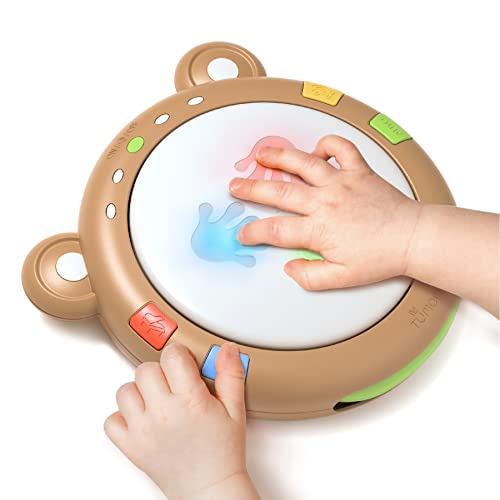
The TUMAMA Baby Musical Toy combines colorful, interactive drums with light cues to stimulate early auditory and visual processing. Powered by a single AA battery, the toy features a large button design that is easier for small hands to press, encouraging cause-and-effect learning. The 2-in-1 concept supports early hand development: children can strike the drum to produce sounds or follow the lights for guided motion. With 40+ songs and piano or drum modes, this toy supports musical recognition and engagement, making it a practical option for infants and toddlers who benefit from structured, multisensory activities.
IMPRESA Spiky Balls: Multicolor Fidgets

The IMPRESA Spiky Balls deliver a tactile sensory experience designed to support focus and self-regulation. This five-pack set includes durable, BPA-free, latex-free, phthalate-free balls that are safe for varied ages. The textured spikes provide varied feedback, which can help individuals with sensory processing needs by offering a calming, repetitive touch experience. They’re durable and easy to clean, suitable for classroom, home, or therapy settings where quiet, structured sensory activities are valued.
LESONG Sensory Toys For Emotion And SEL

LESONG’s sensory set focuses on social-emotional learning through six distinct facial expressions with corresponding textures. These soft items help children identify feelings, discuss responses, and practice regulation strategies in a playful context. The set supports therapeutic goals by promoting language development, emotion recognition, and self-awareness—beneficial for CP-related communication and coping skills. It’s well-suited for use in classrooms, therapy rooms, or home routines that emphasize calm, guided exploration and peer interactions.
Subao Twilight Star Plush Light-Up Toy

The Subao 14-inch Twinkle Star Plush provides a comforting, multisensory experience with soft fabric and a gentle light show. The color-changing LEDs respond to button-press activation and offer a nonoverstimulating visual stimulus that can aid in self-soothing and sensory integration. This plush serves as a travel companion, night-light, cuddle toy, and sensory object for kids who benefit from predictable lighting cues and a comforting texture during routines or transitions.
EazyHold Lavender Silicone Assistive Cuff

The EazyHold Lavender Universal Cuff is a silicone assistive device designed to help people with limited mobility securely grip everyday objects. Its soft, stretchy material fits various hand sizes and offers grip support for utensils, writing tools, toys, and other items. The cuff helps users experience object weight, texture, and temperature with a secure sensation, which can improve participation in daily activities and play. This practical tool is especially beneficial for CP-related hand function support during therapy and independent living tasks.
Buying Guide: Key Purchase Considerations
When selecting therapeutic toys for cerebral palsy, consider the following dimensions to match needs and goals:
- Motor ease and accessibility: Look for large, easy-to-press buttons, simple grips, and lightweight designs to reduce strain and support participation in goal-oriented play.
- Sensory inputs: Choose toys with varied textures, colors, sounds, and lights to support sensory processing. Ensure options can be used with or without sound to minimize overstimulation.
- Calming vs. engaging balance: Some users benefit from calming, soft stimuli, while others respond well to active, goal-driven play. Providing both types supports flexible routines.
- Durability and safety: Prioritize BPA-free, latex-free materials, rounded edges, and sturdy construction suitable for frequent handling and cleaning.
- Portability and versatility: Compact items and multi-use devices (like a plush that doubles as a night-light) can support therapy across home, school, and travel contexts.
- Independence vs. caregiver support: Consider items that enable independent use while also offering easy caregiver setup for structured activities.
- Allergies and sensitivities: Check materials for potential triggers and choose hypoallergenic options when needed.
To assemble a balanced kit, pair sensory and motor-focused tools with assistive aids that support daily activities. For example, combine a light-up toy that promotes motor tasks with a silicone cuff that assists grip during play, ensuring a comprehensive approach to therapy-friendly play without overstimulation.