Best Training Wheels for Kids’ Bikes: Safe, Stable Options for Learning to Ride
Choosing the right training wheels can help children build confidence and balance as they learn to ride. This guide highlights five top training wheel sets that fit commonly sized kids’ bikes (12 to 20 inches) and emphasize durability, stability, and easy installation. Each option balances safety features with practical design, so parents can select a reliable choice for steady progress on two wheels.
| Product | Brand | Bike Size Fit | Key Benefit |
|---|---|---|---|
| Mutetrain Flash Training Wheels | Mutetrain | 12–20 inch single-speed bikes | Thicker bracket, heavier duty, silent double bearings |
| Schwinn Training Wheels | Schwinn | 12–20 inch bikes | Stable start with durable steel brackets and adjustable fit |
| Tayizoo Training Wheels | Tayizoo | 12–20 inch single-speed bikes | Secure, anti-slip, whisper-quiet performance |
| WAYDA Training Wheels | WAYDA | 12–20 inch bikes | Heavy-duty design with flashing mute wheel for quiet rides |
| KRIDDO 2-in-1 Tricycle/Balance Bike | KRIDDO | 12–20 inch compatible bikes with transition features | Versatile 2-in-1 mode with stowable training wheels |
Note: Each product listed here fits most standard kid bikes within the 12–20 inch range. Always verify dropout compatibility and axle dimensions before purchase to ensure a secure fit on your child’s bike.
Mutetrain Flash Training Wheels Review
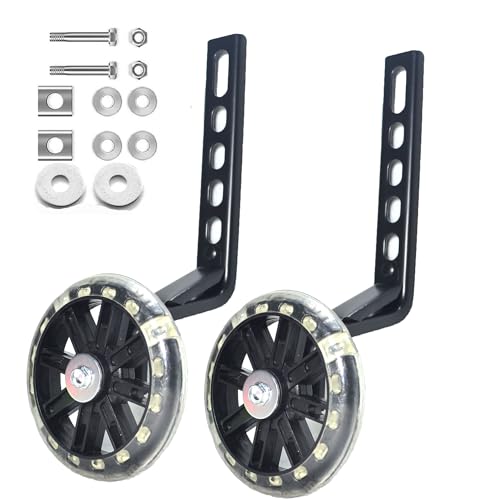
The Mutetrain training wheels are designed for durability on single-speed bikes with 12–20 inch wheels. The bracket thickness is 3 mm, making it 20% thicker than typical models, and the steel frame adds strength for early road tests. A key feature is the double high-carbon steel bearing, which aims to provide a quieter, smoother ride and longer wheel life. The set supports riders up to 100 pounds and uses a horizontal rearward-facing track fork end for compatibility with most standard frames. Installation is straightforward on compatible bikes, and the wheels are built to deliver stability while a child learns to pedal and balance.
Schwinn Training Wheels: Durability For Growing Riders
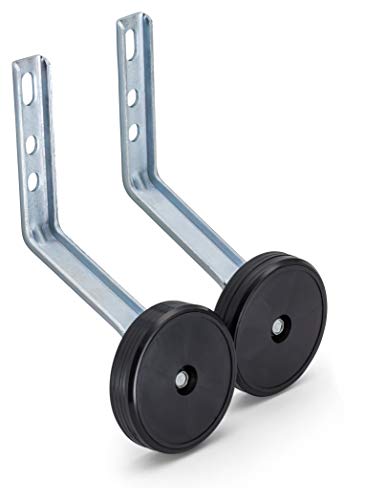
Schwinn’s training wheels emphasize a stable start with heavy-duty steel brackets that enhance durability and support. They fit bikes in the 12 to 20-inch range and come with all mounting hardware for straightforward setup. A key feature is the adjustable, slotted design that grows with the child, allowing quick repositioning as confidence increases. While tools aren’t included, the robust brackets and precise fit help ensure dependable balance during early rides, contributing to safer, more enjoyable practice for budding cyclists.
Kenco Training Wheel Trainers: Indoor Practice

Kenco’s indoor training wheel trainers provide a safe indoor approach to learning. They are compatible with kids’ bikes and designed for year-round exercise, letting children pedal freely on a stationary setup. The product emphasizes suitability for kids at various skill levels, from beginners to those who can pedal confidently. The package highlights the ability to exercise indoors without weather constraints, making it a practical option for families seeking controlled, safe practice space during adverse conditions.
Tayizoo Training Wheels: Silent, Secure

Tayizoo offers universal training wheels for 12–20 inch single-speed bikes. The wheels use wear-resistant ABS and a sturdy steel frame, delivering security and stability during first road tests. They are designed to support riders up to 100 pounds and are described as anti-slip and noise-free, which helps keep the learning process calm and focused. The installation emphasizes a straightforward setup with reliable performance as children transition from balance to pedaling on real bikes.
KRIDDO 2-in-1 Tricycle Balance Bike

KRIDDO’s 2-in-1 design combines a tricycle and balance bike, offering a scalable learning path. The built-in pedal mount allows easy switching to balance mode, with pedals stowable or detachable as needed. The training wheels are built to be removable, enabling an immediate transition from stabilizers to a classic balance bike. This flexibility makes it suitable for growing children who need a gradual shift from stability to independent riding, with the added option to customize the learning stage over time.
Buying Guide
Key purchase considerations focus on compatibility, safety, durability, and future growth. First, confirm wheel size compatibility: most 12–20 inch bikes will work with these training wheels, but verify the dropout type and axle diameter to avoid fit issues. Durability matters: look for a thicker bracket, steel or alloy frames, and high-quality bearings, which reduce noise and increase longevity during frequent practice sessions. Mounting hardware should be complete and easy to install, with clear instructions. Balance between security and growth: adjustable brackets and slotted designs help accommodate a child as they gain confidence. Noise reduction and anti-slip features are beneficial for early riders who may hesitate to pedal. Finally, consider whether a 2-in-1 model (as with KRIDDO) offers a longer-term solution by switching from stabilizers to a balance-mode bike, potentially reducing the need for future replacements as skills improve.
Compared to indoor trainers, outdoor training wheels provide real-world balance challenges, including terrain variation and wind resistance, which can better simulate actual riding conditions. For families seeking year-round practice, indoor trainers can offer a controlled environment but may limit the sensation of real-world balance. When evaluating options, consider the child’s current balance ability, weight limits, and the bike’s make and model. A well-fitting pair of training wheels should feel secure, with minimal wobble, and should not interfere with braking or pedaling. Safety should be the primary priority, followed by ease of installation and the potential for future skill progression.
Overall, the five options highlighted deliver a range of approaches—from heavy-duty, long-lasting outdoor sets to indoor-friendly training stands and 2-in-1 growth models—so parents can pick a solution aligned with their child’s pace and riding goals.