Best Toy Electric Guitars for Kids: Safe, Fun Starter Kits for Young Musicians
Finding the right toy electric guitar for a budding player involves balancing size, safety, and play value. The picks below emphasize kid-friendly design, lightweight construction, and engaging features that foster early musical exploration. Each option is suitable for children from toddlers to early grade schoolers, with some offering learning resources or built-in demos to support beginners. The selections cover different ages and interests, from realistic mini guitars to interactive toys with lights and sounds.
| Product | Brand | Highlight |
|---|---|---|
| Best Choice Products 30in Kids Electric Guitar Starter Kit | Best Choice Products | All-wood build, 5W amp, beginner-friendly size |
| Donner 30 Inch Kids Electric Guitar Starter Kit | Donner | Lightweight, ergonomic for young players |
| Jakeloo Kids Toddler Electric Toy Guitar | Jakeloo | No strings, interactive lights and sounds |
| M SANMERSEN Kids Electric Toy Guitar | M SANMERSEN | 8 demos, color-changing lights, no-string option |
| Simba Simba My Music World Rock Guitar | Simba | Realistic look, belt strap, demo key for rock sounds |
The following sections detail five top picks. Each includes a brief overview, key features, and practical considerations to help families choose the best option for their child’s age and interests.
Best Choice Products 30in Kids Electric Guitar Starter Kit

This kid-sized electric guitar is designed to resemble a standard instrument while staying approachable for small players. The 30-inch scale helps young hands learn proper finger placement, and the all-wood construction adds a sense of realism without sacrificing durability. The included 5W amplifier provides sufficient volume for indoor practice, while the accessory bundle—strap, gig bag, strings, and picks—streamlines setup for beginners. An important feature is the option to begin with guided lessons via the partner app, which helps with tuning and progress tracking. Overall, it blends solid build quality with age-appropriate play value for early learners.
Key considerations: This kit emphasizes a complete entry into guitar basics with an emphasis on comfortable size and user-friendly tuning. It suits children who are serious about starting lessons and appreciate a more “real guitar” feel, rather than a toy-only experience. Durability and a clean finish help it stand up to daily practice and transport to lessons or friends’ houses.
Donner 30 Inch Kids Electric Guitar Starter Kit

The Donner DSJ-100 is sized for children, featuring a 30-inch neck that aligns with smaller hands. Weighing under 6 pounds, it minimizes fatigue during extended practice sessions. The design prioritizes beginner-friendly ergonomics with a neck length of 35 cm and a fingerboard width of 4.3 cm, making fretting accessible for young players. The finish and construction emphasize smooth play and comfort, helping new musicians focus on technique rather than discomfort. This kit typically includes essential accessories such as a bag, tuner, and cables, supporting a smooth start into guitar learning.
Key considerations: The emphasis is on a gentle learning curve and a compact, lightweight build. It’s a good match for kids who are just starting to explore chords and melodies and want a guitar that’s easy to hold for longer practice periods. As with any starter kit, checking for consistent setup and intonation helps ensure a positive early experience.
Jakeloo Kids Toddler Electric Toy Guitar
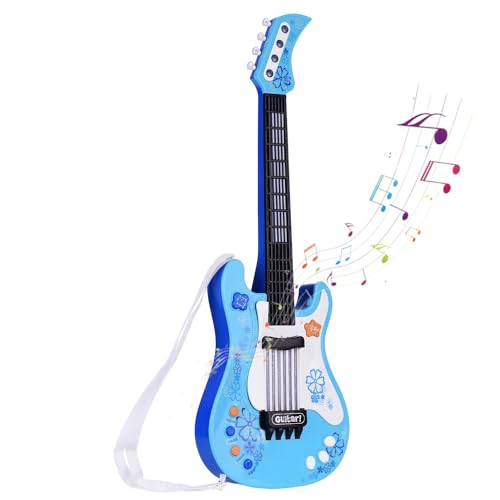
This toy emphasizes interactive play with a no-string design to reduce risk of pinching and injury. It includes built-in demos, animal sounds, tones, and rhythms to engage early learners in a multisensory musical experience. The toy’s ABS construction is designed to be durable and kid-friendly, while the visual features—colorful tubes and flashing lights—help hold a child’s attention and encourage rhythm recognition. This option is ideal for toddlers and preschoolers who want to explore music in a safe, lighthearted way before moving to a more traditional instrument.
Key considerations: Suitable for very young children who benefit from visual and auditory feedback. Since there are no real strings, it’s best as an introduction to sound and rhythm rather than a serious instrument encountered in formal lessons. Size and toy-like aesthetics should match the child’s developmental stage to maximize engagement.
M SANMERSEN Kids Electric Toy Guitar

The M SANMERSEN guitar targets kids who crave a stage-ready look with kid-safe features. It includes eight demo songs, four instrument tones, and four rhythm patterns to foster musical experimentation. A standout feature is the interactive light show—six color tubes and four flashing lights that respond to touch, which can enhance coordination and sensory engagement. The design prioritizes safety with a no-string option, using durable, non-toxic ABS plastic to reduce the risk of injury during play. This guitar balances visual appeal with approachable learning content for early players.
Key considerations: This option blends music learning with a visually engaging experience through lights and sounds. It’s a strong pick for children who enjoy interactive toys and may be a gateway to more formal instruments as they grow. Ensure supervision during solo play to maximize safety and learning outcomes.
Simba My Music World Rock Guitar

The Simba 22-inch model offers a compact, beginner-friendly introduction to guitar basics. It features real metal strings and a belt strap for a portable, stage-ready feel. A demo key provides a ready-made rock sound, which can be a fun motivator for young players to practice. The shorter scale makes fretting easier for smaller hands, and the entertainment features can help maintain enthusiasm during early practice sessions. It’s a practical choice for children who want a slightly more realistic guitar experience without committing to a full-size instrument.
Key considerations: This pick suits kids who want a tangible, “perform on stage” vibe while still accommodating smaller frames. Check string tension and overall setup to ensure safe, comfortable play. For younger users, supervision during use is recommended to guide safe handling and tone exploration.
Buying Guide: Key Purchase Considerations and Comparisons
- Size and weight: Choose a guitar with a scale length and weight appropriate for the child’s height and arm length. A 30-inch model is typical for beginners, helping proper posture and fretting technique.
- String design: No-string or toy models reduce pinch risk for very young players, but real-string setups help older children learn authentic technique. Consider a model that transitions from no-string to strings as the child grows.
- Durability and materials: Look for sturdy plastic or wood construction with secure hardware. Durable finish protects against minor drops and rough handling.
- Learning features: Some kits include built-in demos, tuners, or learning apps. These aids can accelerate early progress and provide structured practice.
- Accessories: A bag, strap, tuner, and extra strings improve portability and readiness for lessons. A 5W amplifier is common for beginners—evaluate volume levels with a parent or guardian present.
- Safety considerations: For younger kids, prioritize no-cut hazards, smooth edges, and non-toxic materials. Supervision during play helps ensure safe, productive practice.
- Price vs. value: Compare included accessories and build quality. A slightly higher price often yields better materials and longer-term usability as the child grows.
- Future use: Consider whether the instrument can scale with skill. A guitar that suits beginner needs but remains playable as skills advance offers better long-term value.
Across these selections, buyers can balance realism with kid-friendly safety. For younger children, toy-focused options with lights and sounds provide immediate engagement. For older beginners, a 30-inch starter guitar with a basic amp and essential accessories can create a smoother transition to a full-sized instrument and formal lessons. Always verify that the product’s age rating and safety features align with the child’s development stage and interests.