Best Toy Sewing Machines for Kids and Beginners
Explore a curated selection of beginner‑friendly toy sewing machines designed to inspire creativity in kids while teaching basic sewing skills. Each option emphasizes safety, easy setup, and hands‑on learning, with built‑in lights, sounds, or decorative features that make sewing feel like a playful craft. Below you’ll find five solid choices with practical kits, kid‑centered designs, and durable construction suitable for early learners and aspiring young designers.
Summary of Selected Products
| Product | Brand | Notes |
|---|---|---|
| TUZT Mini Sewing Machine Toy Kit | TUZT | Comprehensive starter kit with 22 pieces, light, finger guard |
| Made By Me My Very Own Sewing Machine for Beginner | Made By Me | Battery powered, two speeds, illustrated guides |
| Anker Play Starter Sewing Machine | Anker Play Products | All‑in‑one kit with fabric, ruler, needle; age 6+ |
| deAO Sewing Machine for Beginners | deAO | Lights, music, pretend play features; kid friendly |
| ibasenice Mini Electric Sewing Machine Toy | ibasenice | Realistic sounds; protective cover; compact design |
TUZT Mini Sewing Machine Toy Kit For Kids Beginners

The TUZT kit is designed to introduce young learners to sewing with a compact, battery and USB powered machine sized for children. It includes a complete starter set: two cloth bags, multiple fabric pieces, threads, chains, scissors, and an instructional manual. The machine features built‑in light and finger guard for safety, making it suitable for beginners who are just learning basic stitching concepts. The manual and visual instructions guide kids through simple projects, helping them develop hands‑on skills while encouraging DIY creativity with keychains and small crafts.
From a safety and usability perspective, the TUZT model emphasizes portability and ease of use. Its lightweight design reduces fatigue during practice, while the included safety features support confident exploration of stitching basics. The assortment of fabrics and accessories enables multiple projects, turning sewing practice into a tangible, enjoyable activity rather than a one‑note lesson.
Made By Me My Very Own Sewing Machine For Beginner
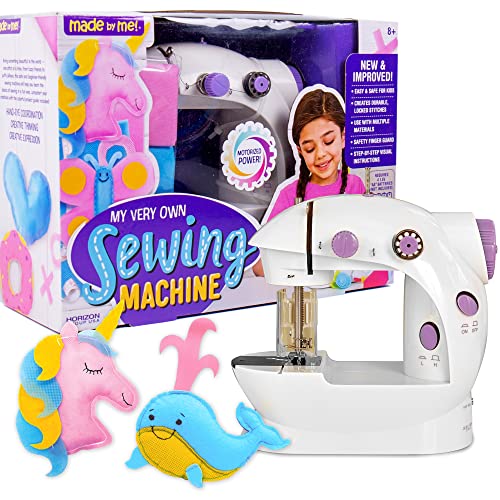
This battery‑powered, beginner‑friendly sewing machine is sized for kids and designed to be easy to operate. It features two speed options, a simple on/off switch, adjustable stitches and lengths, pre‑threaded bobbins, finger guards, and a safety light. The included guide shows step‑by‑step instructions for 10 different projects, helping learners build confidence and maintain interest as they progress from basic stitches to more complex sewing tasks. The compact dimensions make it suitable for small work areas, desks, or craft corners.
Educationally, the kit emphasizes iterative learning: start with simple tasks, observe changes in stitch shape, and gradually explore different fabrics and textures. This approach supports early STEM‑adjacent skills like sequencing, measurement, and pattern following, all through hands‑on practice.
Anker Play Starter Sewing Machine for Kids

The Anker Play kit combines a kid‑sized sewing machine with a complete accessory set, including fabric samples, a ruler, and a needle. The included contents are aimed at encouraging imaginative projects while giving young crafters a clear sense of progress as they complete small sewing tasks. The machine’s size is tailored to little hands, making it easier to maneuver and learn proper handling techniques. This option is well suited for classrooms or family craft time where varied fabric projects encourage experimentation and creativity.
From a safety standpoint, supervision is recommended due to the presence of a real sewing mechanism and small components. The all‑in‑one approach reduces setup friction, allowing kids to jump straight into making simple items like pockets, pouches, or small ornaments, reinforcing practical sewing skills and spatial planning.
deAO Sewing Machine For Beginners

The deAO model focuses on an engaging pretend‑play experience with built‑in lights and music to sustain interest during practice. It includes essential features such as tension knobs, a ruler, and a pretend needle lifter to simulate real sewing processes. This kit is designed for younger children, with a mouse‑like control function that simplifies operation to a single action, making it accessible for kids who are just exploring textile crafts. The decorative, khaki colorway adds a warm, classroom‑friendly look that blends well with other art supplies.
With pretend play as the core, kids can learn fine motor skills through repetitive motions, exploring how fabrics respond to different “stitches.” The built‑in sound and lighting cues offer reward feedback, which can motivate consistent practice and curiosity about sewing techniques in a fun, low‑stress environment.
Buying Guide
Key purchase considerations for toy sewing machines:
- Age and safety: Look for models with finger guards, stable bases, and age‑appropriate controls. For younger children, choose machines with simple operations and minimal loose parts.
- Durability and materials: Plastic housings should be sturdy, with smooth edges and secure components. Consider machines that are easy to wipe clean after craft sessions.
- Power options: Battery‑powered units offer portability for quick crafting, while USB or DC power may provide steadier operation for longer practice sessions.
- Included accessories: A robust kit with fabrics, threads, and beginner projects helps sustain engagement. Some sets include illustrated manuals or step‑by‑step guides that aid independent learning.
- Learning curve: If the child is brand new to sewing, prioritize machines with simplified controls and guided activities. For older kids, consider products with adjustable stitch options and longer practice potential.
- Safety features: Look for clear safety guards and non‑toxic materials. Supervision is often advised, especially for younger children who are still mastering fine motor skills.
- Future use and expansion: Some kits offer project ideas beyond basic stitches, such as keychains, small bags, or decorative crafts, helping children apply skills creatively over time.
When comparing options, consider how each kit aligns with the child’s interests—whether they prefer a realistic sewing experience, decorative craft projects, or simple pretend play. For families or classrooms, an all‑in‑one kit with multiple projects can reduce setup time and encourage steady practice. Safety, durability, and engaging instructional content are the most important factors to ensure a positive, educational sewing experience for kids and beginners alike.