Best Toy Tablet for Toddlers: Top Picks for Learning, Play, and Safety
Finding the right toy tablet for toddlers blends entertainment with early learning. This guide highlights five highly-rated options that support language development, counting, and creativity while keeping screen time purposeful. Each option emphasizes age-appropriate content, durable design, and engaging activities that fit busy family life. Read on to compare features, activity modes, and how each model supports early cognitive growth for young children.
| Product | Brand | Key Benefit |
|---|---|---|
| Fisher-Price Laugh & Learn Smart Stages Tablet | Fisher-Price | Alphabet, colors, and 100+ songs with Smart Stages |
| VTech Little Apps Light-Up Tablet | VTech | Early math, days of the week, and language games |
| Teriph LCD Writing Tablet | Teriph | Mess-free drawing and creative learning |
| Peacurh Trilingual Learning Tablet | Peacurh | English, Spanish, French with 39 icons and interactive modes |
| LeapFrog LeapPad Academy | LeapFrog | 20 apps and LeapSearch with three-month LeapFrog Academy |
Fisher-Price Laugh & Learn Smart Stages Tablet

The Fisher-Price Laugh & Learn Smart Stages Tablet offers a pretend computer experience with lights, sound, and over 100 songs, sounds, and phrases. It includes three Smart Stages levels that adapt content to a child’s age and recognition progress, introducing the alphabet, familiar objects, and colors. With 28 app-style buttons, toddlers activate music and lights to reinforce cause-and-effect learning and fine motor skills. The design emphasizes safety and age-appropriate content, making it a staple for early literacy and basic cognitive development.
VTech Little Apps Light-Up Tablet
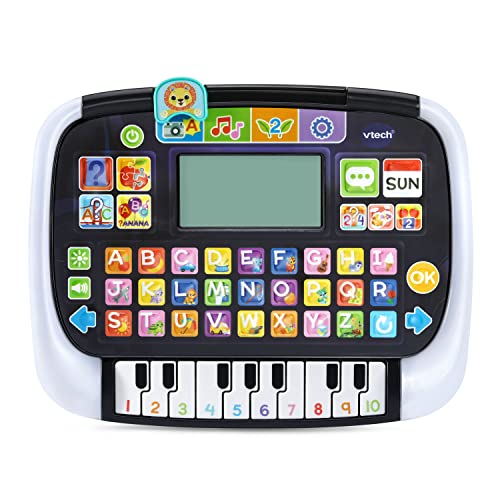
This VTech option emphasizes foundational numeracy and language skills. It adds early math activities with number, order, and counting games, and includes games about days of the week and daily activities. Four-letter word games support letter recognition, reading, and spelling, while a friendly lion character guides children through questions about animal sounds and related concepts. The bright light-up display and progressive activities align with toddlers developing memory and verbal skills in engaging, age-appropriate tasks.
Teriph LCD Writing Tablet For Kids

The Teriph LCD writing tablet focuses on drawing, writing, and creative exploration without a mess. Its pressure-sensitive LCD screen supports doodling, spelling, math notes, and notes in vibrant colors, with a one-second erase feature and a lock to prevent accidental deletions. Built with safe ABS materials and rounded edges, it emphasizes eye-friendly design and durability. This option is ideal for repetitive practice of shapes, letters, and early writing while keeping screen-time distraction low and creativity high.
Peacurh Trilingual Learning Tablet

The Peacurh tablet emphasizes multilingual learning and interactive play. It covers themes such as Alphabet, Shapes, Colors, Numbers, Animals, and Vehicles, with 39 icons and three language options—English, Spanish, and French. Four play modes include Learning, Quiz, Music, and Pretend Play, designed to support vocabulary building, listening and pronunciation, and cognitive skills. Its trilingual approach benefits households seeking early exposure to multiple languages and varied auditory stimuli for toddlers aged 1–3.
LeapFrog LeapPad Academy Kids’ Learning Tablet
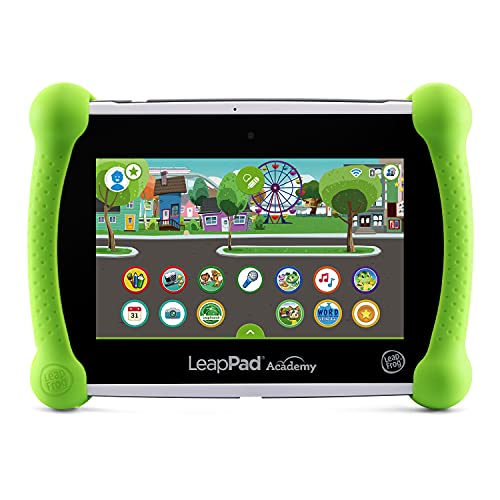
The LeapPad Academy combines kid-friendly Android-inspired features with 20 educational apps and creativity tools designed by LeapFrog experts. LeapSearch provides a kid-safe browser experience for appropriate content, and the package includes a free three-month LeapFrog Academy trial. This option supports progressive learning adventures, aligning with early literacy, numeracy, and critical thinking—offering a structured learning path alongside creative activities.
Buying Guide: Key Purchase Considerations
Choosing the right toddler tablet involves balancing content variety, durability, and screen-time quality. Consider the following perspectives to inform a purchase:
- Age-appropriate content: Ensure the device offers scalable activities (ages 1–3 or 2–4) that grow with your child’s abilities, avoiding overly complex interfaces.
- Content variety: Look for options with a mix of language, math, music, and pretend-play modes to support holistic development and maintain engagement.
- Language exposure: Multilingual tablets can provide early exposure to languages; assess whether you want English-only or multilingual options and how easy it is to switch languages.
- Durability and safety: Durable shells, rounded corners, and non-toxic materials are essential for toddlers who may handle devices roughly. Bright, glare-free displays help reduce eye strain.
- Screen time balance: Prefer devices with educational, interactive modes and accessible erase or reset functions to encourage mindful play and repetition without excessive screen use.
- Parental controls and progress tracking: Features that track learning milestones, adjust difficulty, or provide usage reports help caregivers tailor sessions to a child’s needs.
- Power and maintenance: Consider battery life, replaceable batteries vs. rechargeable options, and ease of cleaning—especially for younger children who may get spills or dirt on devices.
- Content ecosystem and updates: Some brands offer ongoing apps or content refreshes, which can extend the device’s usefulness beyond initial purchases.
- Price-to-value balance: While price isn’t listed here, compare the breadth of activities, durability, and language options to gauge long-term value against similar devices.