Best Toys for Dementia Elderly: Engaging Sensory Aids for Memory Care
The following selection showcases five dementia-focused toys and activities that offer sensory engagement, cognitive stimulation, and calm reassurance for older adults. Each item is designed to be easy to handle, visually appealing, and soothing, with varied textures and simple tasks suitable for late-stage memory challenges or early-stage cognitive maintenance. Below is a quick comparison to help caregivers choose tools that best fit their loved one’s needs.
| Product | Brand | Key Benefit | Primary Use | URL |
|---|---|---|---|---|
| Fidget Blanket for Adults with Dementia (HNYG) | HNYG | 13 sensory items for anxiety relief | Calming, tactile activities | Link |
| Relish – Tactile Turn Dementia Sensory Toy | Relish | Endless fidget motion with soothing textures | Relaxation and engagement | Link |
| Fidget Blanket for Dementia (Jade Butterfly) | Jade Butterfly | Colorful textures and interactive features | Independence and focus | Link |
| Fidget Muff Cat For Dementia (ALACCOM) | ALACCOM | Detachable fidget blanket for sharing | Stress relief in care settings | Link |
| TieGokii 2nd Gen – Wooden Dementia Activities | TieGokii | 4 shapes, 30 difficulty levels | Cognitive engagement and pacing | Link |
Fidget Blanket For Adults With Dementia (HNYG)

The HNYG fidget blanket is designed to relieve anxiety in seniors with memory challenges by offering touch-sensory exercises and multiple activities in a compact form. It includes a 13-item sensory set aimed at providing calm and focus, making it a practical essential for dementia care. The blanket is sized for easy handling, folds to a portable footprint, and includes handles for convenient transport between rooms or care settings.
Relish – Tactile Turn Dementia Sensory Toy

Relish emphasizes a soothing, endless fidget motion with soft textures intended to reduce anxiety and promote calm. Its design favors late-stage dementia users by providing a non-overstimulatory experience that still offers meaningful sensory engagement. The product’s weight, material feel, and accessibility make it a practical choice for individual use or shared activities in group settings.
Fidget Blanket For Dementia (Jade Butterfly)

This Jade Butterfly fidget blanket blends engaging sensory textures and bright colors to support attention and engagement. It aims to calm restlessness and help maintain dexterity through interactive tasks, making it a versatile tool for homes and care facilities alike. The product is highlighted as suitable for memory loss, dementia, autism, and related conditions, offering broad applicability for caregivers.
Fidget Muff Cat For Dementia (ALACCOM)
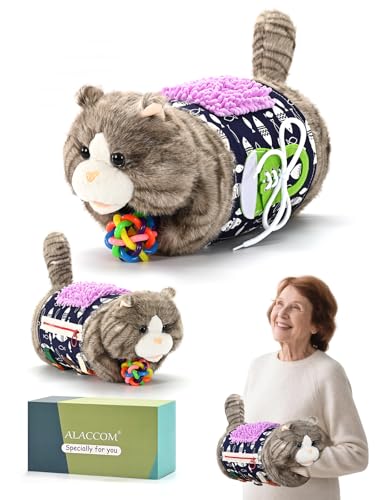
The ALACCOM fidget muff blanket offers a detachable fidget blanket that can be shared in nursing homes or caregiving environments. It focuses on anxiety relief through tactile activities and is designed to be easy to store when not in use. Its portability and soft textures make it suitable for group activities or personal time, supporting emotional comfort for dementia patients.
TieGokii 2nd Gen – Wooden Dementia Activities

TieGokii’s wooden dementia activities offer a tactile memory game with color and shape elements. The set provides 30 different difficulty levels in a single activity, designed to adapt to growing or fluctuating cognitive abilities. Its larger block design helps with grip and reduces fiddling, promoting a sense of achievement as users progress through matching shapes and colors.
Buying Guide: Key Purchase Considerations For Dementia Therapy Toys
Choosing the right dementia-focused toys involves balancing sensory stimulation, cognitive engagement, ease of use, and caregiver practicality. Consider the following perspectives to inform a well-rounded purchase plan.
- Safety and accessibility: Look for soft textures, non-toxic materials, and simple, intuitive designs. Consider the user’s hand strength, grip width, and visual/hearing capabilities to avoid frustration or safety risks.
- Sensory variety: A well-rounded kit should combine tactile textures, visual contrasts, and sound elements to address multiple senses. This helps maintain interest without overwhelming the user.
- Cognitive load: Activities should offer a manageable challenge—neither too easy nor overly complex. Choose options with adjustable difficulty or clear, achievable tasks.
- Portability and care settings: If the user moves between rooms or care facilities, lightweight, washable, and easily storable items are advantageous. Detachable components can ease cleaning and sharing among residents.
- Social engagement: Products that support group activities or family involvement can enhance emotional well-being and create meaningful interactions during sessions.
- Durability and washability: Frequent handling and potential spills require robust construction and easy cleaning to maintain hygiene and cost-effectiveness over time.
- Age and condition alignment: Select items that reflect the user’s stage of dementia, memory retention, and daily routines to maximize relevance and use.
When assembling a dementia activity kit, begin with one or two core items that focus on calming textures and simple tasks, then gradually introduce additional tools to expand sensory variety. Always monitor responses to new items and adjust to prevent overstimulation. The goal is to support comfort, engagement, and a sense of independence where possible.