Best Toys for Dyslexia: Engaging Tools for Reading Support
Finding toys that support early literacy and reading development for children with dyslexia can be challenging. The right play-focused tools can reinforce phonemic awareness, decoding skills, and word recognition in a fun, low-pressure way. Below are five carefully selected toys and learning aids designed to help kids practice reading, spelling, and language while staying engaging and age-appropriate. Each product features interactive elements, multisensory approaches, and clear skill-building benefits that align with common dyslexia learning strategies.
| Product | Key Benefit for Dyslexia Support |
|---|---|
| Speak & Spell Educational Game | Retro-style spelling with multi-mode play to build phoneme-grapheme connections and memory for common word patterns. |
| TOP BRIGHT Preschool Learning Toys | Montessori-inspired counting and early math concepts that strengthen logical thinking and symbol recognition, supporting literacy foundations. |
| hand2mind Reading Rods | Hands-on word-building and CVC practice to reinforce decoding and blending skills with manipulatives. |
| hand2mind Phoneme Phone | Auditory feedback and phonemic awareness through echo and speech-to-print activities, aiding sound discrimination. |
| Sunny Days Expandable Ball | Sensorial fidget play that reduces anxiety and improves focus, supporting sustained learning sessions. |
Speak & Spell Educational Game

Brand: Basic Fun
Features: Retro Play: Relive the classic 80s experience with familiar graphics, sounds, and gameplay. Five play modes—Spell, Mystery, Say It, Secret Code, and Letter—offer varied activities that target spelling, decoding, and word recognition. Multiple challenge levels let learners progress as they gain confidence. This toy blends nostalgia with educational value, providing a multisensory spelling practice that can help with phonemic awareness and memory for word patterns.
TOP BRIGHT Preschool Learning Toys

Brand: TOP BRIGHT
Features: Educational Toys For 3+ Year Olds: An age-appropriate learning toy designed to blend play with foundational skills. Early math and counting concepts are introduced through colorful blocks and manipulatives, enabling concrete representation of abstract ideas. Montessori-inspired design encourages independent exploration and self-directed learning, helping children develop problem-solving abilities, concentration, and logical thinking as a foundation for literacy.
hand2mind Reading Rods

Brand: hand2mind
Features: Literacy Alphabet Cubes: Tactile rods support decoding and word-building practice. CVC Word Builders help learners construct simple words and then extend to more complex terms as decoding skills grow. Color-coded linking cubes provide a visual, hands-on method to connect sounds with letters, offering a practical strategy for phonemic awareness and early reading.
hand2mind Phoneme Phone
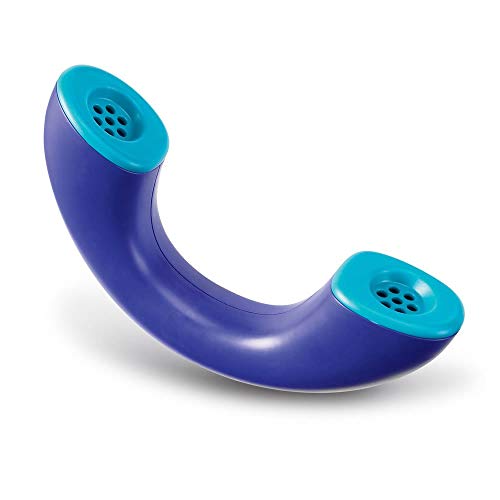
Brand: hand2mind
Features: ESL Teaching Materials: The Phoneme Phone offers a multisensory approach to language learning, useful for learners acquiring English as a second language or those with speech considerations. It helps build phonemic awareness as students speak into a receiver and hear amplified feedback, promoting better sound discrimination and auditory learning. The device supports reading-to-speech activities that can bridge listening and speaking with print.
Sunny Days Expandable Ball
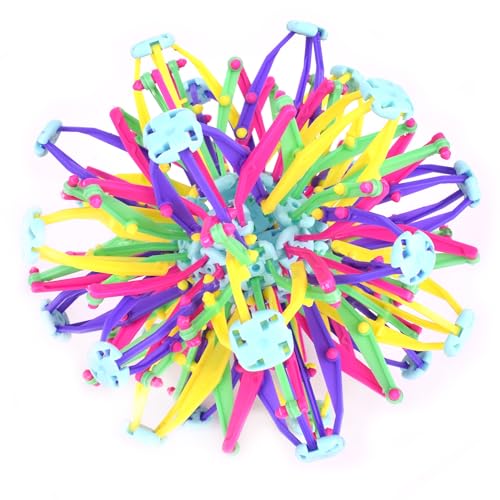
Brand: Sunny Days Entertainment
Features: Breathing Ball: Expands from 5.5 inches to 10 inches, providing a tactile, expandable surface for play. Sensory Play: A soothing fidget toy that can reduce anxiety and improve focus, supporting sustained practice of reading or spelling activities. Lightweight and portable design makes it suitable for on-the-go use, helping children engage with literacy activities in varied environments.
Buying Guide: Key Purchase Considerations For Dyslexia-Friendly Toys
- Multisensory engagement: Look for toys that combine visual, auditory, and tactile elements to reinforce phonemic awareness and decoding skills.
- Progressive challenges: Choose products with adjustable difficulty to match a child’s growing literacy level and avoid frustration.
- Meaningful repetition: Features that encourage repeated practice, such as spelling modes or word-building tasks, support retention without monotony.
- Portability and setup: For short, focused sessions, select lightweight items that are easy to use in different settings, including travel or school.
- Evidence-based design: Prefer tools aligned with recognized reading strategies for dyslexia, such as multisensory instruction and explicit phonics practice.
- Durability and safety: Ensure the product is appropriate for the child’s age and has durable construction for frequent handling.
- Parental or teacher guidance: Toys that include clear instructions or activity ideas help caregivers structure productive sessions.
When selecting toys for dyslexia support, consider how each tool fits into a broader literacy plan. Combining phonemic awareness practice with decoding tasks, while providing motivation and low stress, tends to yield the best results. The five products above offer varied approaches—spelling games, manipulatives, phoneme-focused devices, and sensory tools—so caregivers can tailor play to a child’s needs and interests.